Canadanthus, Genus, spp., Multiple species,
- Genus
- Multiple species
great northern aster
Overview
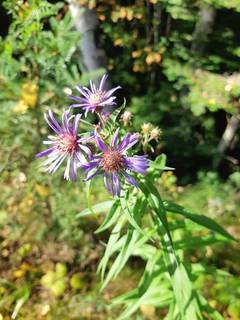
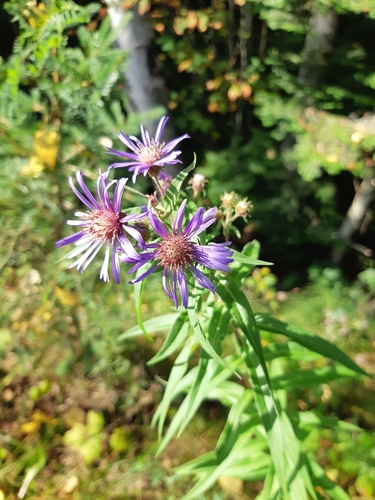
Canadanthus is a genus in the aster family (Asteraceae) made up of the great northern aster, Canadanthus modestus, a perennial wildflower of cool northern climates. Once classed within Aster, it forms upright, glandular-hairy stems 8-40 inches (20-100 cm) tall that spread slowly by rhizomes into loose colonies 1-2 feet (30-60 cm) wide. The lance-shaped leaves are 2-5 inches (5-13 cm) long, toothed or smooth, and clasp the stem at their bases. From mid to late summer the stems carry flower heads 1-1.5 inches (2.5-4 cm) across, each with 15 to 35 narrow purple to violet rays around a yellow central disk. The whole plant is covered in sticky glandular hairs that set it apart from many similar asters. Bloom comes late in the season, supplying nectar and pollen when few other plants flower in its range. Growth follows moist, cool soil in open woods, thickets, clearings, and streambanks across the boreal zone. In warm or dry gardens the plant struggles, and its rhizomes can spread beyond where they are wanted in rich, damp ground.
Native Range
Canadanthus modestus is native to northern North America, from Alaska and across boreal Canada south through the Great Lakes region and along the Rocky Mountains to the northwestern United States. It grows in moist woodland openings, thickets, and along streams, often in cool mountain or subalpine sites.Suggested Uses
Plants are used in cool native-plant gardens, moist woodland borders, and rain gardens, and in naturalized plantings across northern regions. The late flowers fit pollinator plantings that aim to carry nectar into autumn. Suited to northern or upland gardens, the genus performs poorly in hot summer climates.How to Identify
Appearance
Size & Dimensions
Height8" - 3'4"
Width/Spread1' - 3'
Bloom Information
Flowering occurs from July to September, later than most asters in the same range. Heads open over several weeks, with the violet rays fading as the central disk turns reddish-brown. The late bloom carries nectar into early autumn before frost ends the season.
Detailed Descriptions
Flower Description
purple to violet with yellow centerFoliage Description
greenGrowing Conditions
Sun Requirements
Requires 4-8 hours of direct sunlight daily
• Full Sun: 6+ hours of direct sunlight
• Partial Shade: 3-6 hours of direct sunlight
• Full Shade: Less than 3 hours of direct sunlight