Camissoniopsis, Genus, spp., Multiple species,
- Genus
- Multiple species
suncups
Western North America (California, Baja California, Oregon, Arizona)
SunFull Sun
Overview
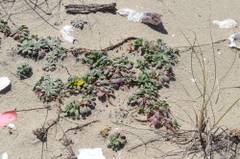
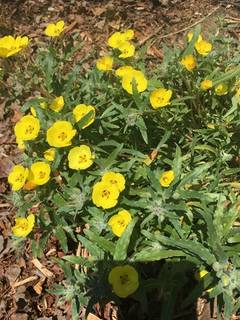
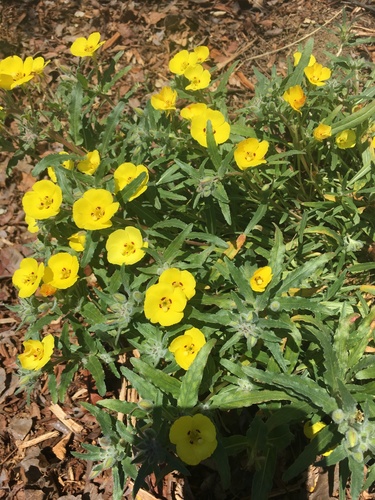
Camissoniopsis is a genus of about 14 species of low annual and short-lived perennial herbs in the evening-primrose family, Onagraceae, native to dry, open ground in western North America, from Oregon and California into Baja California and Arizona. Plants form low, often spreading or sprawling rosettes and stems 4-24 in (10-60 cm) long, clothed in narrow, sometimes wavy-edged green leaves that are often roughened with short hairs. The four-petalled flowers are yellow, frequently marked with red or brown dots near the base of each petal, 0.3-1 in (8-25 mm) across, and open by day in sun, unlike the night-opening flowers of many relatives, which gives the group the common name suncups. Flowering runs through spring and into early summer, heaviest after wet winters when desert and coastal populations can carpet open ground. The flowers are followed by slender cylindrical or twisted seed capsules. Plants grow quickly in poor, dry, sandy or gravelly soil in full sun, set seed, and die, persisting through dry years as seed in the soil. They tolerate drought and heat and decline in rich, moist, or shaded sites.
Native Range
The genus is native to western North America, concentrated in California and Baja California, with species extending north to Oregon, east into Arizona, and along the Pacific coast. Plants grow on sandy flats, coastal bluffs, deserts, and disturbed open ground.Suggested Uses
Suncups are grown in wildflower meadows, native and habitat gardens, gravel gardens, and dry sunny banks across their western range. They suit naturalistic and pollinator plantings and self-sow into open ground. Low spreading growth also fills gaps between rocks and along paths.How to Identify
Appearance
Size & Dimensions
Height4" - 2'
Width/Spread6" - 2'
Bloom Information
Flowering runs mainly through spring, generally March to June, and into early summer in cooler or coastal sites. The yellow flowers open in daylight and last a day or two each, opening in succession over several weeks. Bloom is heaviest in years following wet winters, when seedlings emerge in quantity.
Detailed Descriptions
Flower Description
yellow with red or brown dotsFoliage Description
greenGrowing Conditions
Sun Requirements
Requires 6-12 hours of direct sunlight daily
• Full Sun: 6+ hours of direct sunlight
• Partial Shade: 3-6 hours of direct sunlight
• Full Shade: Less than 3 hours of direct sunlight
Water & Climate
Water Needs
Drought Tolerance
Drought tolerant when established
Care & Maintenance
Care Guide
Camissoniopsis grows in full sun on poor, dry, freely draining sandy or gravelly soil at pH around 6.0-7.5, and tolerates heat, drought, and coastal exposure. Plants decline in rich, moist, or shaded conditions, which produce soft growth and few flowers. Sow seed directly in autumn or late winter where plants are to grow, since the genus is grown as a self-sowing annual rather than transplanted. Water lightly only until seedlings establish, after which rainfall is usually enough. Few pests or diseases trouble the genus. Letting capsules ripen and shed allows plants to self-sow for the following year.Pruning
No pruning is needed for these small annuals. Plants may be left to ripen and shed seed, then pulled once they brown and die. Leaving spent plants in place encourages self-sowing for the next season.Toxicity: Not assessed
UnknownPlanting Guide
Planting Methods & Timing
Planting Method
direct sow
Direct Sow Timing
autumn or late winter
Days to Maturity
60–90 days
Plant Spacing
8 inches