Calyptridium, Genus, spp., Multiple species,
- Genus
- Multiple species
pussypaws
Overview
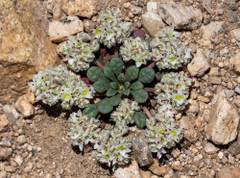
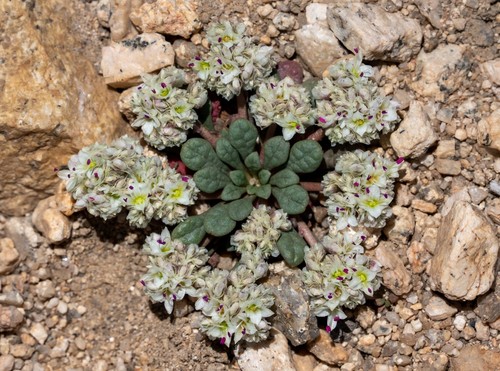
Calyptridium is a genus of roughly 10 to 15 species of low annual and perennial herbs in the family Montiaceae, native to western North America. Most species form ground-hugging rosettes of fleshy, spoon-shaped leaves 0.4-2 in (1-5 cm) long, often tinged red, that lie flat against gravelly or sandy soil. From the rosette rise short stalks bearing dense, rounded clusters of small flowers with papery pink to white sepals, the clusters 0.5-1.5 in (1-4 cm) wide. In the alpine perennial C. umbellatum, these flower stalks lift toward midday and lower again at night, a movement that gives the plant its common name pussypaws. Plants stand 1-6 in (2.5-15 cm) tall and spread 4-12 in (10-30 cm) across. Flowering runs from late spring into summer, set against the reddish, succulent foliage. Calyptridium grows in dry, open, mineral soils of foothills, deserts, and high mountains, and needs sharp drainage and full sun. It fails in rich, moist, or shaded ground, and the annual species are short-lived, completing their cycle in a single season.
Native Range
Calyptridium is native to western North America, concentrated in California and the Pacific states and extending into the Great Basin, the Rocky Mountains, and northwestern Mexico. Species grow in dry, open, mineral soils from desert flats and sandy foothills up to alpine ridges and scree.Suggested Uses
Calyptridium is grown in rock gardens, alpine troughs, raised scree beds, and gravel gardens with very sharp drainage. The perennial pussypaws is used among rocks and in crevice plantings, while annual species are sown in dry, sunny wildflower areas. Plants suit dry-climate and water-thrifty gardens on mineral soils.How to Identify
Appearance
Size & Dimensions
Height1" - 6"
Width/Spread4" - 1'
Bloom Information
Calyptridium flowers from late spring through summer, generally May to August, with high-elevation species blooming as snow recedes and lower desert species earlier. The papery flower heads hold their color for several weeks and persist as they dry. Bloom timing shifts with elevation and the timing of seasonal moisture.
Detailed Descriptions
Flower Description
pink to whiteFoliage Description
green to red-tingedGrowing Conditions
Sun Requirements
Requires 6-12 hours of direct sunlight daily
• Full Sun: 6+ hours of direct sunlight
• Partial Shade: 3-6 hours of direct sunlight
• Full Shade: Less than 3 hours of direct sunlight
Care & Maintenance
Care Guide
Grow Calyptridium in full sun in gritty, sharply drained sand, scree, or gravel of low fertility. Plants take heat, drought, and intense mountain light once established but rot quickly in rich, moist, or poorly drained soil. Water sparingly during growth and hold the rosettes dry in winter, when wet crowns are most at risk. Perennial alpine species such as C. umbellatum are grown in troughs, rock gardens, and raised gravel beds that drain freely. Annual species are raised from seed sown on a lean, mineral mix and often complete their life cycle within a few months. Little feeding is needed, since excess nutrients produce soft, rot-prone growth.Pruning
Calyptridium needs no pruning. Dried flower stalks and spent annual plants are cleared after seed has shed, and tired rosettes of the perennial species are tidied in spring. Removing seed heads before they scatter limits self-sowing where it is not wanted.Container Growing
Suitable for container growing
Minimum container size: 1 gallons