Caltha, Genus, spp., Multiple species,
- Genus
- Multiple species
marsh marigold
Overview
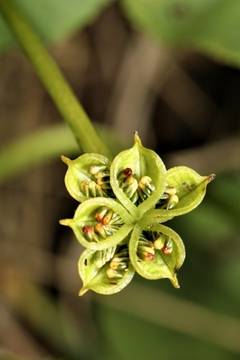
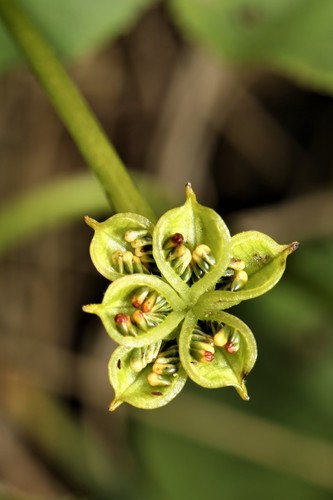
Caltha is a genus of perennial marsh and bog plants in the buttercup family (Ranunculaceae), found in cool, wet places across both the northern and southern hemispheres. The widely grown C. palustris, marsh marigold or kingcup, forms clumps 8-24 inches (20-60 cm) tall and wide of glossy, rounded to kidney-shaped dark green leaves on hollow stems. In spring the plants carry cup-shaped flowers 1-2 inches (2.5-5 cm) across, made of five to nine golden-yellow petal-like sepals around a centre of many stamens; white-flowered species grow in the southern hemisphere. Flowers are followed by clusters of small podlike follicles that split to release seed onto wet ground or water. The whole plant contains protoanemonin and other irritant compounds, so the raw sap can blister skin and the foliage is toxic if eaten. Caltha grows in marshes, wet meadows, ditches, pond edges, and slow streams, and it goes dormant or scorches where the soil dries out in summer.
Native Range
Caltha has a wide distribution in cool temperate, boreal, and montane regions of both hemispheres. C. palustris is native across the northern hemisphere in Europe, Asia, and North America, while other species occur in southern South America, New Zealand, and Australia. Plants grow in marshes, wet meadows, fens, stream banks, and seasonally flooded ground.Suggested Uses
Caltha palustris is used at the margins of ponds, streams, and bog gardens and in wet wildflower meadows for early-season yellow flowers. It suits permanently moist ground in USDA zones 3-7 alongside other marginal plants. Its irritant, toxic sap limits its use where children or pets handle plants at the water edge.How to Identify
Appearance
Size & Dimensions
Height8" - 2'
Width/Spread1' - 2'
Bloom Information
Flowering occurs in early to mid spring, often March to May in the northern hemisphere, among the first wetland plants to bloom. Each clump flowers for three to five weeks, sometimes with a lighter second flush in autumn in mild, wet conditions. Cool, damp springs lengthen the display.
Detailed Descriptions
Flower Description
Golden-yellow, white in some speciesFoliage Description
Glossy dark greenGrowing Conditions
Sun Requirements
Requires 4-8 hours of direct sunlight daily
• Full Sun: 6+ hours of direct sunlight
• Partial Shade: 3-6 hours of direct sunlight
• Full Shade: Less than 3 hours of direct sunlight
Care & Maintenance
Care Guide
Plants grow in full sun to part shade in permanently moist to wet soil at pond and stream margins or in bog gardens, and they tolerate standing water a few inches deep. They are hardy to about USDA zone 3 but suffer where the soil dries in summer, when the foliage browns and the plant goes dormant early. Clumps can be lifted and divided after flowering. Rich, boggy soil suits them, and they need no feeding in fertile ground. Powdery mildew can mark the leaves in stagnant air late in the season.Pruning
Faded flower stems and tired leaves can be removed after flowering to tidy the clump. No structural pruning is needed. Plants that brown in summer drought can be cut back, and fresh leaves return with autumn rains or cooler weather.Container Growing
Suitable for container growing
Minimum container size: 2 gallons