Calluna, Genus, vulgaris, Species, 'Firefly', Cultivar,
- Genus & species
- Cultivar
firefly heather
Europe (Iceland through Scandinavia south to Mediterranean, east to Turkey and Urals; also Morocco and Azores; naturalized in northeastern North America; heathlands, moorlands, acidic bogs to 8,000 feet / 2,400 m)
Overview
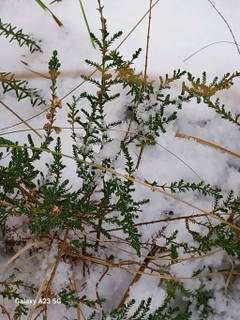
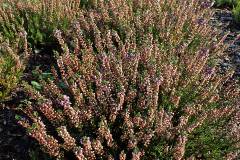
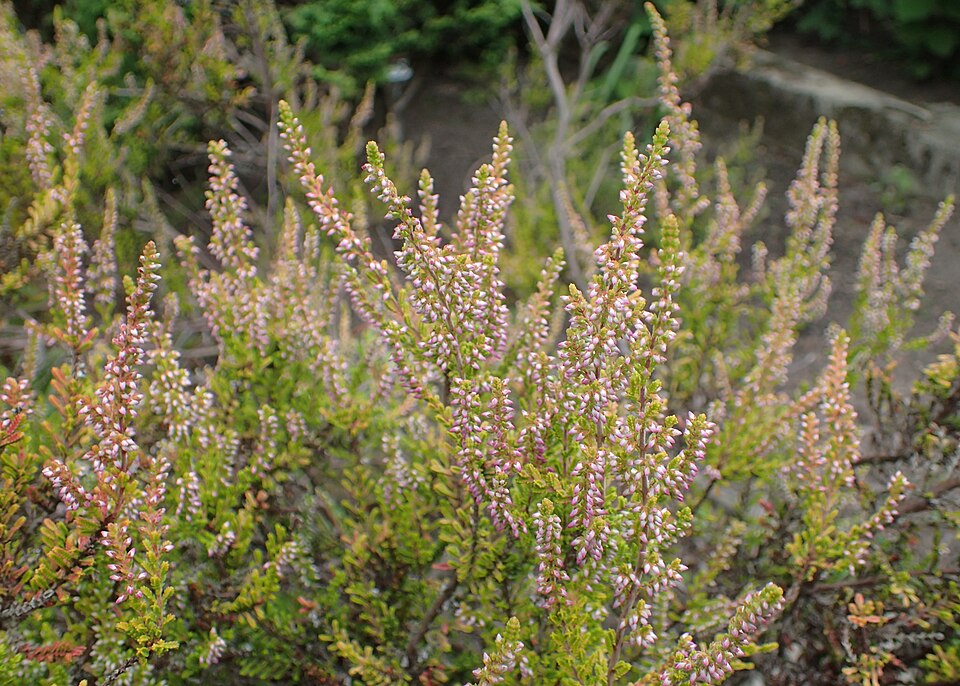
Calluna vulgaris 'Firefly' is a low mounding evergreen shrub in the heath family (Ericaceae) reaching 12–18 inches (30–45 cm) tall with a spread of 18–24 inches (45–60 cm). The habit is dense and rounded. The cultivar is grown primarily for year-round foliage color rather than its flowers: spring and summer foliage is deep brick-red to terra-cotta, darkening to intense deep red through winter, and new growth tips emerge in spring with orange and gold, producing a warm fiery appearance concentrated at the branch ends. Tiny scale-like leaves 1–2 mm long are densely overlapping on wiry stems in the arrangement characteristic of the genus. Short racemes of small bell-shaped deep mauve-pink flowers 3–4 mm long open in August–September. Growth rate is slow at 1–3 inches (2.5–8 cm) per year. Hardy to zone 4. The cultivar requires acidic soil at pH 4.5–5.5; alkaline conditions cause chlorosis and decline. The shallow fibrous root system is drought-sensitive, so consistent soil moisture is required. In climates with hot humid summers (zone 8 and warmer), the plant declines from heat and root-zone stress; cool-summer maritime and montane climates suit the species better than continental humid climates.
Native Range
The species Calluna vulgaris is native to Europe, from Iceland and Scandinavia south to the Mediterranean and east to Turkey and the Urals, with additional populations in Morocco and the Azores and naturalized populations in parts of northeastern North America. It dominates heathlands, moorlands, and acidic bogs from sea level to 8,000 feet (2,400 m).Suggested Uses
Grown in heather gardens, rock gardens, and the edges of acidic-soil borders at 18–24 inch (45–60 cm) spacing. The warm-red foliage carries the planting through winter when most perennials are dormant. Mass plantings that combine 'Firefly' with green-leaved and gold-leaved Calluna cultivars produce a tapestry of foliage color and texture. Low ground cover on acidic sandy banks is another use. Container culture requires 2 gallon (8 L) or larger pots with ericaceous compost. Combines with other acid-loving plants including Erica, Vaccinium, and Pieris.How to Identify
Appearance
Size & Dimensions
Height1' - 1'6"
Width/Spread1'6" - 2'
Bloom Information
Short racemes of small bell-shaped deep mauve-pink flowers 3–4 mm long open along the upper stems in August–September. Bloom duration is 3–4 weeks. Spent flower spikes persist on the stems through winter if not sheared. Flowers are visited by bees.
Detailed Descriptions
Flower Description
Deep mauve-pink, small bell-shaped, 3-4 mm in short racemesFoliage Description
Brick-red to terra-cotta in summer, darkening to deep red in winter; spring tips orange and gold; tiny scale-like leaves 1-2 mmGrowing Conditions
Sun Requirements
Requires 6-10 hours of direct sunlight daily
• Full Sun: 6+ hours of direct sunlight
• Partial Shade: 3-6 hours of direct sunlight
• Full Shade: Less than 3 hours of direct sunlight
Care & Maintenance
Care Guide
Grows in full sun in well-drained acidic soil at pH 4.5–5.5, tolerating sand and peat substrates. Hardy to zone 4. Alkaline soils cause chlorosis and rapid decline; the shallow fibrous root system requires consistent soil moisture without waterlogging. Mulch 1–2 inches (2.5–5 cm) deep with pine bark or another acidic organic material to hold soil moisture and suppress weeds. Cool-summer maritime climates (Pacific Northwest, United Kingdom, Northwestern Europe) suit the species better than hot humid continental climates, where phytophthora root rot and heat stress cause decline. Good air circulation reduces fungal pressure. No serious insect pest problems are reported.Pruning
Shear lightly in early spring (March–April) after the worst frost risk has passed, removing the spent flower spikes and the top 1–2 inches (2.5–5 cm) of growth. Annual shearing holds the dense compact mound and prevents the plant from becoming leggy and open at the base. Do not cut into bare old wood: Calluna does not regenerate from leafless stems. Fall pruning removes the developing flower buds and reduces next year's bloom.Pruning Schedule
Prune: March–April
early spring
Container Growing
Suitable for container growing
Minimum container size: 2 gallons