Image 1 of 20
1 / 20
Plant Reference
Calluna, Genus, vulgaris, Species,
- Genus & species
Scotch heather
Europe (Britain, Scandinavia south to the Mediterranean), Turkey, and Morocco; naturalized in northeastern North America; open moorland, heathland, and acid bogs at low to upper elevations
Overview
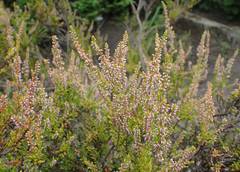
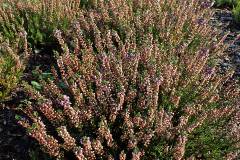
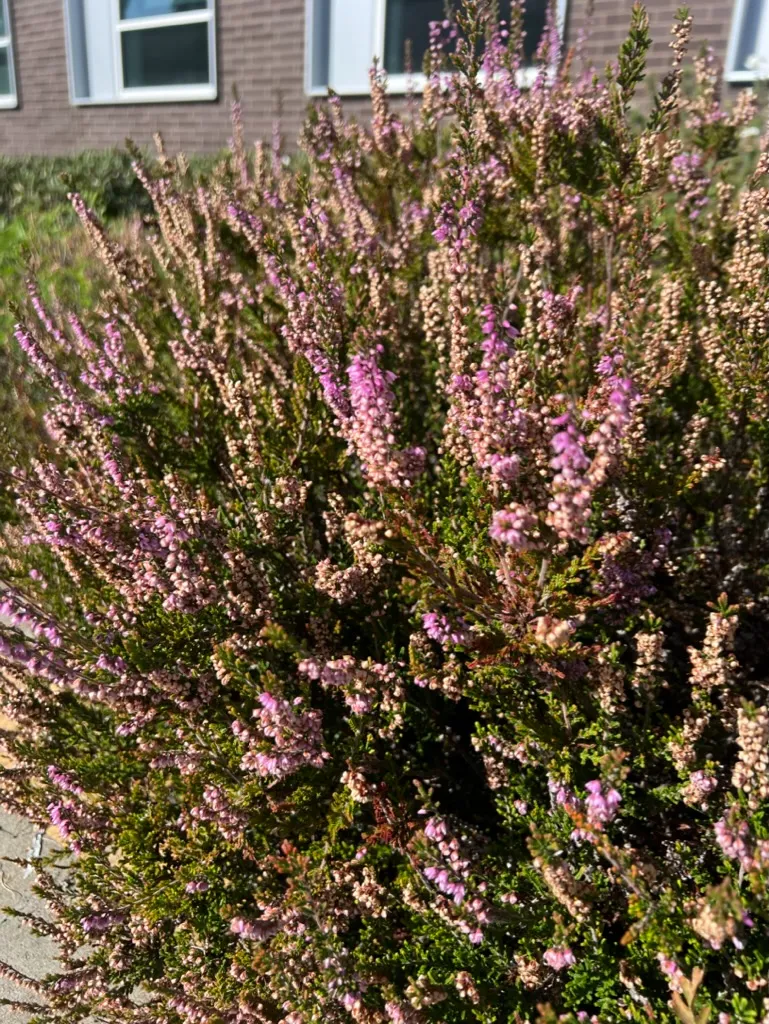
Calluna vulgaris is a low mounding broadleaf evergreen shrub in the heath family Ericaceae growing 12–24 inches (30–60 cm) tall and 18–30 inches (45–75 cm) wide. The species is the only member of the genus Calluna (the genus is monotypic) and is the dominant moorland and heathland plant of the British Isles and Scandinavia, covering millions of acres of open upland habitat across northwestern Europe. The species is distinguished from the related genus Erica (heath) by the structure of the flower: in Calluna, the 4-part calyx is longer than the corolla and conceals it from view, so the visible flower is the colored calyx rather than the corolla; in Erica, the corolla is longer than the calyx and is visible. This calyx-versus-corolla diagnostic is the standard botanical character that separates the two genera and that gardeners use to identify Calluna in mixed heath plantings. Leaves are scale-like, tiny, 0.1 inch (2–3 mm) long, arranged in overlapping ranks along wiry stems, and the foliage color varies widely by cultivar across green, gold, orange, red, and silver shades — many cultivars change foliage color seasonally, with gold-leaved selections shifting to orange-red in winter cold and silver-leaved selections deepening through the cold months. Pink, purple, white, or red tiny bell-shaped flowers 0.15 inch (4 mm) long open in dense terminal racemes 2–8 inches (5–20 cm) long along the stem tips from August through October across a 6–8 week bloom period. So-called bud-blooming cultivars carry flowers that remain as closed unopened buds rather than opening into bell-shaped corollas, and the closed-bud display extends the visible color period beyond the typical 6–8 weeks because the buds do not abscise as quickly as fully opened flowers — bud-blooming selections such as 'Marlies', 'Athene', and 'Anette' are sought by gardeners who want the maximum bloom-period color. Hundreds of cultivars are in cultivation across the foliage color range and the flower color range. Limitation: the species calls for strictly acidic soil with a pH of 4.5–6.0 and is intolerant of alkaline soil, heavy clay, and waterlogged conditions — this strict acid-soil requirement is the main cultural limitation and restricts garden use to sites with naturally acidic soil or to peat-based raised beds and containers where the acid pH can be maintained. Annual shearing in early spring by one-third of the previous year's growth is required because unsheared plants become leggy and bare at the base within 3–4 years and the species does not regenerate from cuts into old bare wood. Native to Europe (Britain, Scandinavia south to the Mediterranean), Turkey, and Morocco, and naturalized in northeastern North America. Non-toxic. Heather honey is a traditional product of the British Isles. Deer-resistant.
Native Range
Native to Europe — Britain, Scandinavia, and continental Europe south to the Mediterranean — and to Turkey and Morocco, growing on open moorland, heathland, and acid bogs at low to upper elevations on acidic substrates. The species has naturalized in northeastern North America in similar acid-bog and open-upland habitats. The species is the dominant heathland plant across millions of acres of British, Irish, and Scandinavian open upland and supplies the purple-flowering autumn landscape that is the signature of the late-summer moors.Suggested Uses
Used in heath gardens, rock gardens, ground-cover mass plantings, mixed acidic-soil borders, and containers of at least 3 gallons (11 L) at 18–30 inch (45–75 cm) spacing between plants. The late-summer through fall bloom and the cultivar-dependent foliage color changes through the year combine to supply 12 months of color in heath garden settings, and the wide cultivar selection (hundreds of named selections) covers all combinations of flower color, foliage color, and seasonal color change. Companion plantings with Erica (winter-flowering heath), dwarf conifers such as Picea abies 'Little Gem', and acid-soil shrubs such as Vaccinium (blueberry) build the traditional heath garden composition. Alkaline soil positions, heavy clay, and waterlogged sites are unsuitable because of the strict acid-soil requirement and the drainage requirement of the species.How to Identify
Appearance
Size & Dimensions
Height1' - 2'
Width/Spread1'6" - 2'6"
Colors
Bloom Information
Pink, purple, white, or red tiny bell-shaped flowers 0.15 inch (4 mm) long open in dense terminal racemes 2–8 inches (5–20 cm) long along the stem tips from August through October across a 6–8 week bloom period. Bud-blooming cultivars carry flowers that remain as closed unopened buds and extend the visible color period beyond the standard 6–8 weeks because the buds do not abscise as quickly as fully opened flowers. Honeybees and bumblebees work the flowers heavily during the late-summer bloom window, and heather honey is a traditional product of the British Isles harvested from Calluna-rich moors during the August and September bloom.
Detailed Descriptions
Flower Description
pink, purple, white, or red tiny bell-shaped flowers 0.15 inch (4 mm) long carried in dense terminal racemes 2-8 inches (5-20 cm) long along the stem tips from late summer through fallFoliage Description
scale-like tiny overlapping leaves 0.1 inch (2-3 mm) long arranged along wiry stems; foliage color varies by cultivar across green, gold, orange, red, and silver shades, and many cultivars change foliage color seasonally (gold in summer turning orange-red in winter is a common pattern)Growing Conditions
Sun Requirements
Requires 6-10 hours of direct sunlight daily
• Full Sun: 6+ hours of direct sunlight
• Partial Shade: 3-6 hours of direct sunlight
• Full Shade: Less than 3 hours of direct sunlight
Care & Maintenance
Care Guide
Site in full sun with 6 or more hours of direct sun per day in well-drained acidic sandy or peat-based soil with a pH of 4.5–6.0. The species is intolerant of alkaline soil, heavy clay, and waterlogged conditions, and gardens with naturally high-pH soil call for peat-based raised beds or container culture to maintain the acid pH at the root zone. Drought tolerance develops once the root system is established. Annual shearing in early spring (March or April) by one-third of the previous year's growth is required because unsheared plants become leggy and bare at the base within 3–4 years, and the species does not regenerate from cuts into old bare wood, so the annual shearing must stay in the live-wood zone above the bare lower stems. Non-toxic and deer-resistant. Hardy in USDA zones 4–8.Pruning
Shear the entire plant by one-third of the previous year's growth in early spring (March or April) before the new season's growth emerges, removing the previous year's spent flower racemes and the upper third of the stems. This annual shearing is non-optional for long-term plant health because unsheared plants become leggy and bare at the base within 3–4 years, and shearing must stay in the live-wood zone above the bare lower stems because the species does not regenerate from cuts into old bare wood.Pruning Schedule
Prune: March–April
early spring
Container Growing
Suitable for container growing
Minimum container size: 3 gallons