Image 1 of 3
1 / 3
Photo byCommunity
Calendula, Genus, officinalis, Species,
- Genus & species
pot marigold
Southern Europe, eastern Mediterranean
Overview
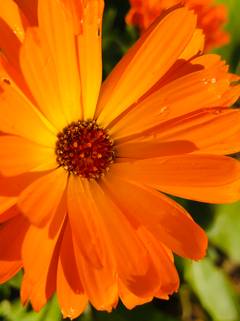
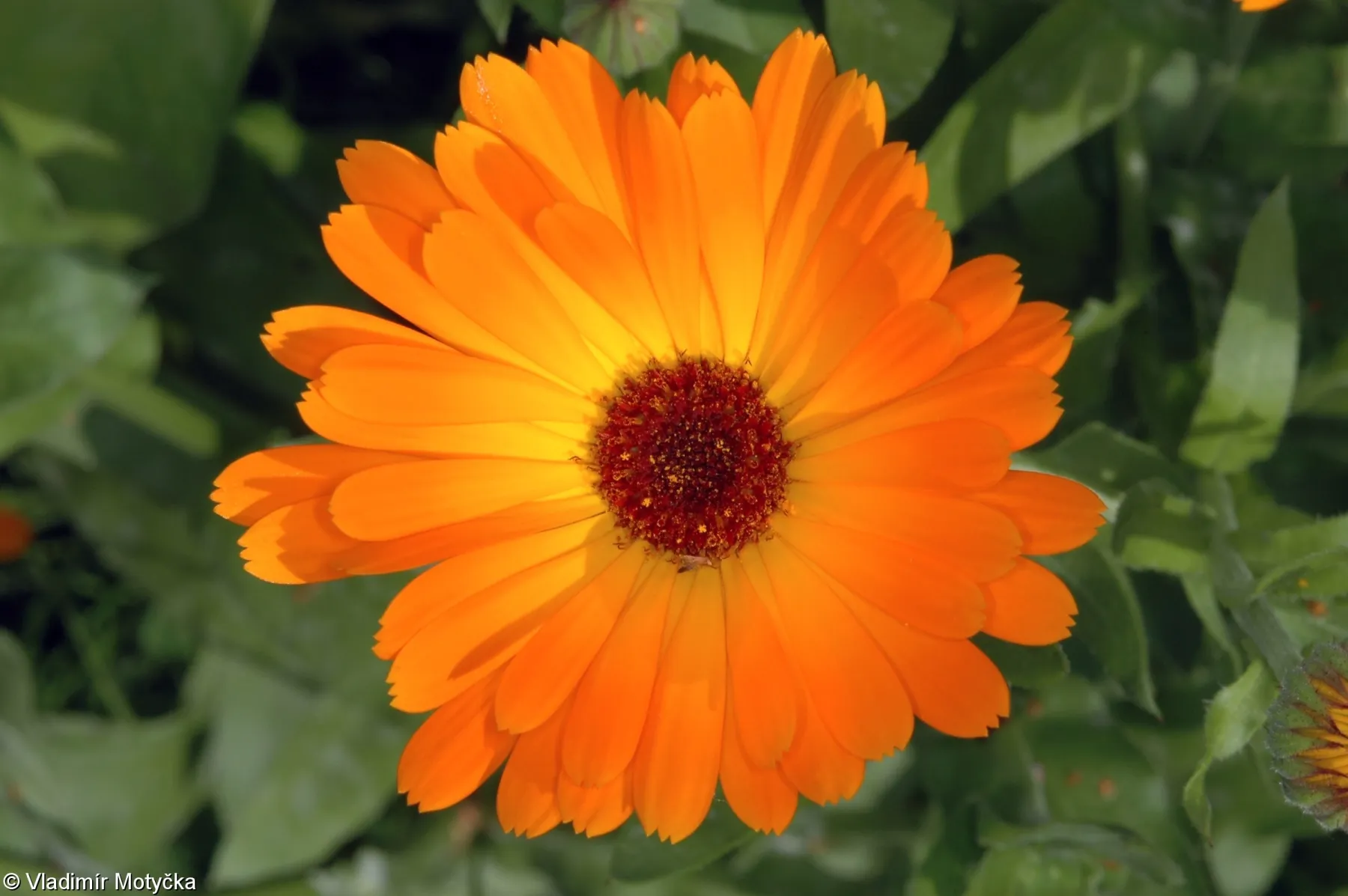
A branching cool-season annual reaching 12–24 inches (30–60 cm) tall and 12–18 inches (30–45 cm) wide. Stems branched from the base, sticky-hairy, with a resinous scent when bruised. Leaves simple, oblong to spatulate, 2–6 inches (5–15 cm) long, light to medium green, slightly sticky, with a pungent aromatic scent. Flower heads 2–3 inches (5–7.5 cm) across, daisy-like with multiple rows of ray florets in shades of orange and yellow surrounding a central disc; species plants typically produce single to semi-double flowers. Blooms most freely at 45–65°F (7–18°C); flowering declines when temperatures exceed 75°F (24°C) and may resume in fall. Self-seeds readily and may naturalize in mild climates. Petals and leaves are edible and have a long history of culinary and medicinal use, including as a dye plant and topical herb.
Native Range
Calendula officinalis is native to southern Europe and the eastern Mediterranean region, including the Iberian Peninsula, France, Italy, and Egypt. The species has been cultivated for at least 2,000 years and is widely naturalized in temperate regions worldwide. Wild populations occur on disturbed ground, roadsides, and cultivated fields at low to moderate elevations.Suggested Uses
Planted in vegetable gardens as a companion plant at 9–12 inch (23–30 cm) spacing, where it is reported to repel certain soil nematodes and attract aphid predators. Used in cutting gardens; flower heads last 5–7 days in water. Petals are edible and used as a food colorant and garnish. Grows in containers of 3–5 gallons (11–19 L).How to Identify
Appearance
Size & Dimensions
Height1' - 2'
Width/Spread1' - 1'6"
Bloom Information
Blooms spring through early summer and again in fall in most temperate climates. In zones 8–10, blooms winter through spring when planted in fall. In cool-summer climates, may bloom continuously spring through fall. In zones 6–8 with hot summers, flowering pauses June through August and resumes in September. Individual flower heads last 7–10 days.
Detailed Descriptions
Flower Description
Orange to yellowFoliage Description
Light to medium green, oblong, slightly stickyGrowing Conditions
Sun Requirements
Requires 6-12 hours of direct sunlight daily
• Full Sun: 6+ hours of direct sunlight
• Partial Shade: 3-6 hours of direct sunlight
• Full Shade: Less than 3 hours of direct sunlight
Water & Climate
Water Needs
Care & Maintenance
Care Guide
Direct sow seed in early spring as soon as soil is workable, or in fall (zones 7–10) for winter/spring blooming. Seeds germinate in 5–14 days at 60–70°F (15–21°C); sow 0.25 inch (6 mm) deep. Thin to 9–12 inches (23–30 cm) spacing once seedlings reach 2–3 inches (5–7.5 cm) tall. Water regularly during establishment; once established, tolerates dry periods of 1–2 weeks but flowering decreases during extended drought. Apply balanced fertilizer (10-10-10) once at planting; additional fertilization is rarely needed and promotes excessive foliage. Powdery mildew is common in humid conditions with poor air circulation; space plants adequately and avoid overhead watering. Aphids cluster on growing tips in spring; hose off or treat with insecticidal soap.Pruning
Deadhead spent flower heads by cutting back to the next lateral bud to extend the bloom period by 3–4 weeks and prevent self-seeding. Remove entire plants that are past flowering and showing heat decline; replant from seed or transplants in late summer for fall bloom. If self-seeding is desired, leave a portion of heads to mature seed.Pruning Schedule
Prune: May–June & September
late springfall
Container Growing
Suitable for container growing
Minimum container size: 3 gallons
Toxicity
Non-toxicPlanting Guide
Planting Methods & Timing
Planting Method
both
Indoor Start
6 weeks before last frost
Direct Sow Timing
Direct sow in early spring as soon as soil is workable, or in fall (zones 7–10) for winter/spring bloom.
Days to Maturity
50–70 days
Plant Spacing
10 inches
Companion Planting
Good Companions