Calendula, Genus, spp., Multiple species,
- Genus
- Multiple species
marigolds
Overview
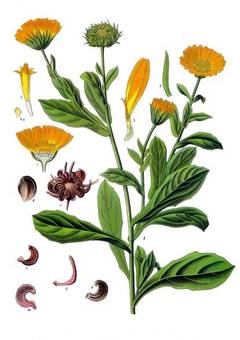
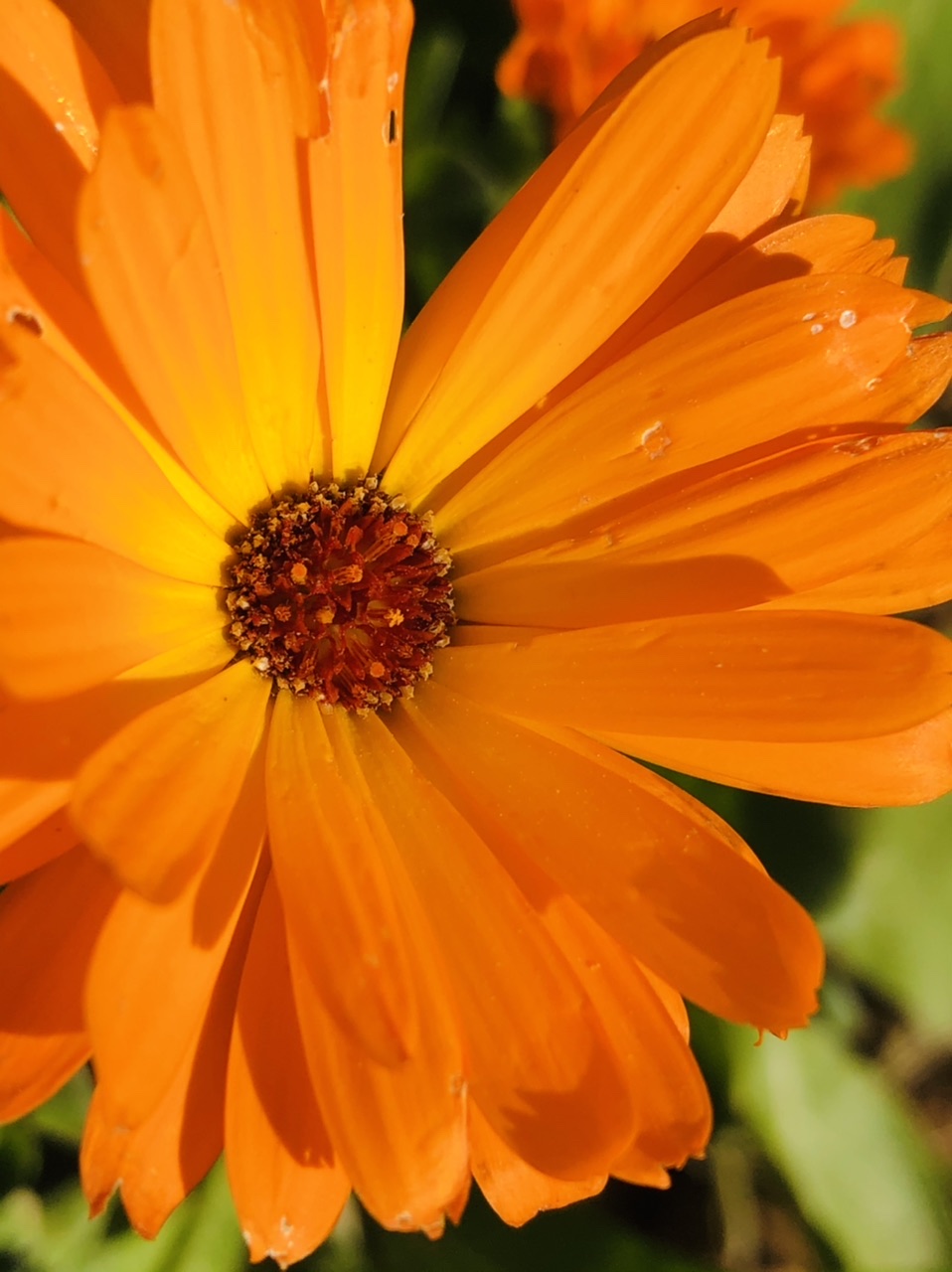
Calendula is a genus of about 15 to 20 species of annual and short-lived perennial herbs in the daisy family (Asteraceae), native from the Mediterranean region east to Iran. Pot marigold (C. officinalis) is the species most often cultivated, a cool-season annual; despite the common name, the genus is unrelated to the true marigolds (Tagetes). Plants form branching, somewhat sticky, aromatic mounds 12-24 inches (30-60 cm) tall with light green, oblong to spoon-shaped leaves. The flower heads are 2-4 inches (5-10 cm) across, single to fully double, in yellow, gold, orange, apricot, or cream, with a daisy form of ray florets around a central disk. Bloom is long, running from spring through autumn in mild summers and continuing into winter in frost-free regions, though flowering slows in hot weather. The ray florets are edible and have a long record of use as a culinary and dye plant. Plants self-sow freely and often return from dropped seed. Aphids and powdery mildew are the most common problems, especially in crowded or humid conditions.
Native Range
The genus is native to southern Europe, the Mediterranean basin, North Africa, and western Asia as far east as Iran. Pot marigold has been cultivated so long that its exact wild origin is uncertain, and it now grows as a garden escape in many temperate regions.Suggested Uses
Pot marigolds are planted in annual borders, cottage gardens, herb gardens, and vegetable plots, spaced 8-12 inches (20-30 cm) apart, and are grown among vegetables as companion plants. The edible ray florets are used fresh or dried in cooking and to color food. Compact forms grow in containers and window boxes, and the long stems are cut for arrangements.How to Identify
Appearance
Size & Dimensions
Height1' - 2'
Width/Spread1' - 1'6"
Bloom Information
Flowering begins in spring from early sowings and continues through summer and autumn where summers stay mild, and into winter in frost-free climates. Faded heads removed as they form extend the display, which can run for several months. Bloom slows during hot spells and resumes as temperatures cool.
Detailed Descriptions
Flower Description
yellow, gold, orange, apricot, or creamFoliage Description
light greenGrowing Conditions
Sun Requirements
Requires 6-10 hours of direct sunlight daily
• Full Sun: 6+ hours of direct sunlight
• Partial Shade: 3-6 hours of direct sunlight
• Full Shade: Less than 3 hours of direct sunlight
Water & Climate
Water Needs
Care & Maintenance
Care Guide
Calendula grows in full sun in average, well-drained soil with a pH of 6.0-7.0 and tolerates poor and sandy ground. Plants grow as cool-season annuals, flowering freely in spring and autumn and in the mild winters of frost-free regions, while heat shortens their life. Even moisture keeps them in active bloom, though they tolerate short dry spells once established. Seed sown directly or started indoors germinates in one to two weeks, and plants reach flowering size in 45 to 60 days. Aphids, whitefly, and powdery mildew are the usual problems. Self-sown seedlings often appear the following season and can be thinned or moved.Pruning
Regular removal of faded flower heads keeps plants blooming and limits self-sowing. Leggy or mildewed stems are cut back by about a third to prompt fresh growth. Plants are pulled out at the end of the season once flowering ends or frost kills the tops.Container Growing
Suitable for container growing
Minimum container size: 2 gallons