Calanthe, Genus, spp., Multiple species,
- Genus
- Multiple species
Tropical and subtropical Asia, with extensions to Africa, Australia, and the Americas
SunPart Shade – Full Shade
WaterMedium
Overview
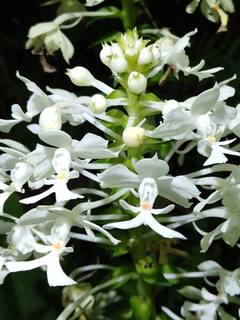
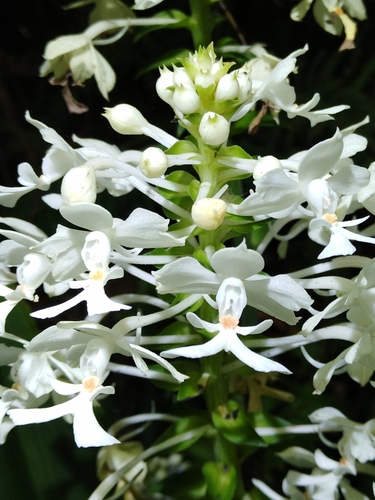
Calanthe is a genus of around 200 terrestrial orchids in the family Orchidaceae, most diverse in tropical and subtropical Asia but reaching Africa, Australia, the Pacific, and the Americas. The genus includes both evergreen species and deciduous species that form prominent above-ground pseudobulbs and rest in a leafless dormant season. The broad, pleated leaves are 8-24 in (20-60 cm) long, and erect flower spikes 12-36 in (30-90 cm) tall carry few to many flowers in white, pink, yellow, mauve, or purple, often with a contrasting lip and a slender spur. Flowering ranges from autumn and winter in some species to spring and summer in others. Calanthe grows in humus-rich, moist but well-drained soil in shade to dappled light on forest floors. In cultivation the plants need shade, steady moisture in growth, and good drainage; the deciduous kinds take a drier rest when leafless, and several temperate species tolerate light frost in woodland gardens. Slugs and snails are the main pests of the soft new growth.
Native Range
Calanthe ranges across tropical and subtropical Asia, where it is most diverse, and extends to Africa, Madagascar, Australia, the Pacific islands, and Central America. The genus grows on shaded, humus-rich forest floors, from lowland to montane woodland.Suggested Uses
Grown in shaded woodland gardens, shaded borders, containers, and cool greenhouses, with the hardier temperate species suited to sheltered outdoor beds and tender species to pots under cover. The flower spikes are also cut for display. Spaced 8-16 in (20-40 cm) apart in shaded groups.How to Identify
Appearance
Size & Dimensions
Height1' - 3'
Width/Spread1' - 1'6"
Bloom Information
Across the genus, spurred flowers are carried on erect spikes, with timing that varies widely by species - autumn and winter in some, spring and summer in others. Each spike holds few to many flowers in white, pink, yellow, or purple. Flowering can last several weeks per spike.
Detailed Descriptions
Flower Description
white, pink, yellow, or purpleFoliage Description
greenGrowing Conditions
Sun Requirements
Requires 1-4 hours of direct sunlight daily
• Full Sun: 6+ hours of direct sunlight
• Partial Shade: 3-6 hours of direct sunlight
• Full Shade: Less than 3 hours of direct sunlight
Water & Climate
Water Needs
Care & Maintenance
Care Guide
Grow in shade to dappled light in humus-rich, moist but well-drained soil or orchid compost. Steady moisture and high humidity suit the growing season, while the deciduous species take a drier rest once their leaves fall. Most kinds resent direct hot sun, drought, and waterlogging alike. Several temperate species tolerate light frost and are grown in sheltered woodland beds, while tropical species need warmth. Slugs and snails damage the soft new shoots and flower spikes. Feeding lightly through the growing season supports strong flowering.Pruning
Cut spent flower spikes back to the base once flowering ends. Remove yellowing leaves from deciduous species as they enter dormancy. No other pruning is needed beyond clearing dead foliage.Container Growing
Suitable for container growing
Minimum container size: 2 gallons