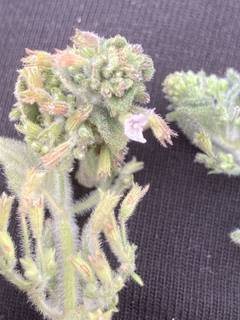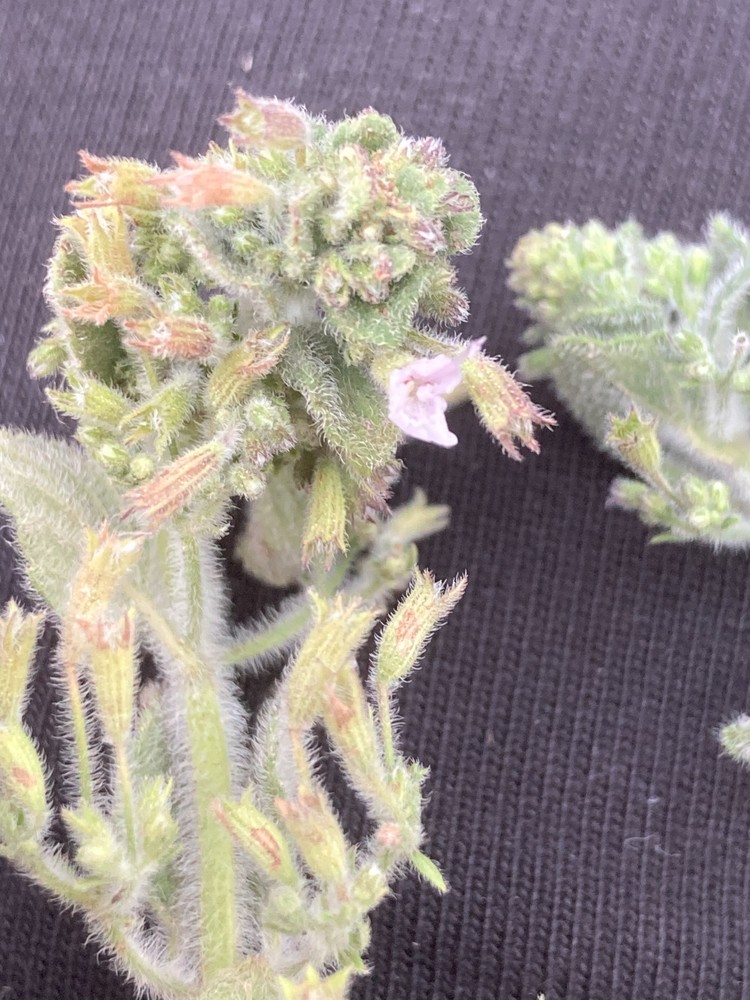
Calamintha, Genus, spp., Multiple species,
- Genus
- Multiple species
Europe, the Mediterranean, and western Asia
Overview
Calamintha is a small genus of aromatic perennial herbs in the mint family (Lamiaceae), native to Europe, the Mediterranean region, and western Asia. Plants form bushy, often woody-based clumps 8-24 in (20-60 cm) tall and wide, with square stems and small, toothed, oval leaves that release a minty, oregano-like scent when crushed. From early summer into autumn they carry loose sprays of many small two-lipped tubular flowers, 0.2-0.5 in (5-12 mm) long, in white, pale lilac, or pink, held in the leaf axils along the upper stems. The long flowering season draws bees and other insects in large numbers. The genus grows on dry banks, rocky slopes, and woodland edges, usually on well-drained, often calcareous soils in full sun. In cultivation it tolerates drought, poor soil, and heat once established, but rots in wet, heavy ground over winter. Plants can self-seed and spread at the root, and the soft summer growth dies back in cold-winter areas, returning from the base in spring.
Native Range
Calamintha is native to Europe, the Mediterranean basin, and western Asia. The genus grows on dry banks, rocky slopes, scrub, and open woodland edges, generally on well-drained and often limestone-rich soils.Suggested Uses
Used in herb gardens, gravel and rock gardens, dry sunny borders, and pollinator plantings, and as a low edging along paths. The aromatic foliage and long flowering suit informal and cottage schemes. Spaced 12-18 in (30-45 cm) apart in groups.How to Identify
Appearance
Size & Dimensions
Height8" - 2'
Width/Spread1' - 2'
Bloom Information
Across the genus, clouds of small white to pale-lilac flowers open from early summer into autumn, roughly June to October. The tiny two-lipped flowers are carried in loose axillary clusters and open in succession over many weeks. They draw steady numbers of bees and hoverflies.
Detailed Descriptions
Flower Description
white to pale lilacFoliage Description
greenGrowing Conditions
Sun Requirements
Requires 5-9 hours of direct sunlight daily
• Full Sun: 6+ hours of direct sunlight
• Partial Shade: 3-6 hours of direct sunlight
• Full Shade: Less than 3 hours of direct sunlight
Care & Maintenance
Care Guide
Grow in full sun on light, well-drained soil; the genus tolerates dry, poor, stony, and alkaline ground once established. Sharp drainage is the main requirement, as plants rot in wet, heavy soil through winter. Water during the first season, then rely on rainfall, as established plants withstand drought and heat. Cut plants back after flowering, or in spring, to keep them compact and limit self-seeding. Divide congested clumps in spring. Feeding is seldom needed and rich soil produces lax growth.Pruning
Shear plants back by about half after the main flowering to tidy them and encourage fresh growth. Cut old stems to the base in late winter or early spring before new shoots appear. Remove self-sown seedlings if spread is not wanted.Pruning Schedule
Prune: February–March
winterearly spring
Container Growing
Suitable for container growing
Minimum container size: 2 gallons