Caladium, Genus, bicolor, Species,
- Genus & species
caladium
Central and South America (Brazil, Amazon basin)
Overview
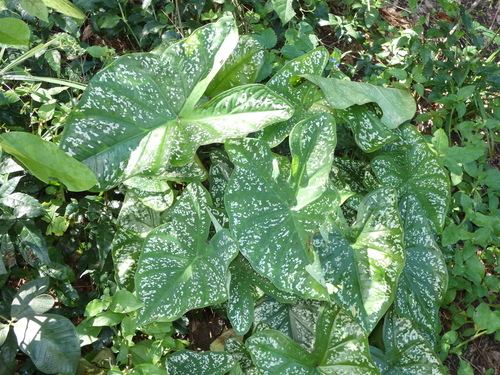
Caladium bicolor is a tropical foliage plant, growing 12–24 inches (30–60 cm) tall and wide. Large heart-shaped to arrow-shaped leaves 6–14 inches (15–35 cm) in multicolored patterns of white, pink, red, and green — the specific color pattern depends on the cultivar (hundreds of named cultivars exist). Fancy-leaf types have large heart-shaped leaves; strap-leaf (lance-leaf) types have narrower leaves with more upright habit and greater sun tolerance. Grows from a tuber planted 1–2 inches (2.5–5 cm) deep in spring when soil temperatures reach 65°F (18°C) — the tuber will not sprout in cold soil. The foliage emerges 3–4 weeks after planting. In the family Araceae. All parts contain calcium oxalate raphides — toxic to dogs, cats, and humans, causing intense burning and swelling of the mouth and throat if ingested. Deer-resistant due to the toxicity. Goes dormant when temperatures drop below 60°F (16°C) — the foliage yellows and collapses. In cold zones (below zone 9), dig tubers after foliage collapses and store in dry peat at 60–70°F (16–21°C) — caladium tubers require warmer storage temperatures than most other summer-dormant bulbs. Native to Central and South America (Amazon basin). Partial to full shade — most fancy-leaf cultivars scorch in direct sun. High humidity. Consistently moist soil. Growth rate is moderate. Containers of 2+ gallons (8+ liters).
Native Range
Native to Central and South America, primarily the Amazon basin of Brazil. Widely cultivated in tropical and subtropical regions worldwide.Suggested Uses
Grown in shade borders, containers of 2+ gallons (8+ liters), and as a bedding plant in partial to full shade. Space 12 inches (30 cm) apart. Dig and store tubers in cold zones. All parts toxic. Deer-resistant. Zones 9–11 in ground; annual tuber planting elsewhere.How to Identify
Appearance
Size & Dimensions
Height1' - 2'
Width/Spread1' - 2'
Bloom Information
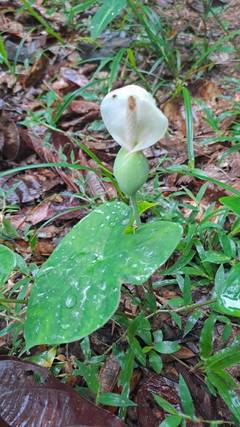
Inconspicuous green spathe-and-spadix inflorescence in summer — remove the flower stalks to redirect energy to foliage production. Grown entirely for the multicolored foliage, not the flowers.
Detailed Descriptions
Flower Description
Green spathe; inconspicuous (grown for foliage, not flowers)Foliage Description
Variable: white, pink, red, green in multicolored patterns depending on cultivarGrowing Conditions
Sun Requirements
Requires 2-4 hours of direct sunlight daily
• Full Sun: 6+ hours of direct sunlight
• Partial Shade: 3-6 hours of direct sunlight
• Full Shade: Less than 3 hours of direct sunlight
Care & Maintenance
Care Guide
Partial to full shade — most cultivars scorch in direct sun (strap-leaf types tolerate more sun). Plant tubers when soil reaches 65°F (18°C). Consistently moist soil. High humidity. Goes dormant below 60°F (16°C). Dig and store tubers at 60–70°F (16–21°C) in cold zones. All parts toxic (calcium oxalate). Deer-resistant.Pruning
Remove inconspicuous flower stalks to redirect energy to foliage. Cut foliage to the ground after it collapses in fall. Dig tubers and store at 60–70°F (16–21°C) — warmer than most bulb storage requirements.Pruning Schedule
Prune: October
fall
Container Growing
Suitable for container growing
Minimum container size: 2 gallons