Bulbine, Genus, bulbosa, Species,
- Genus & species
bulbine lily
Overview
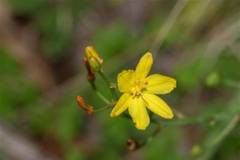
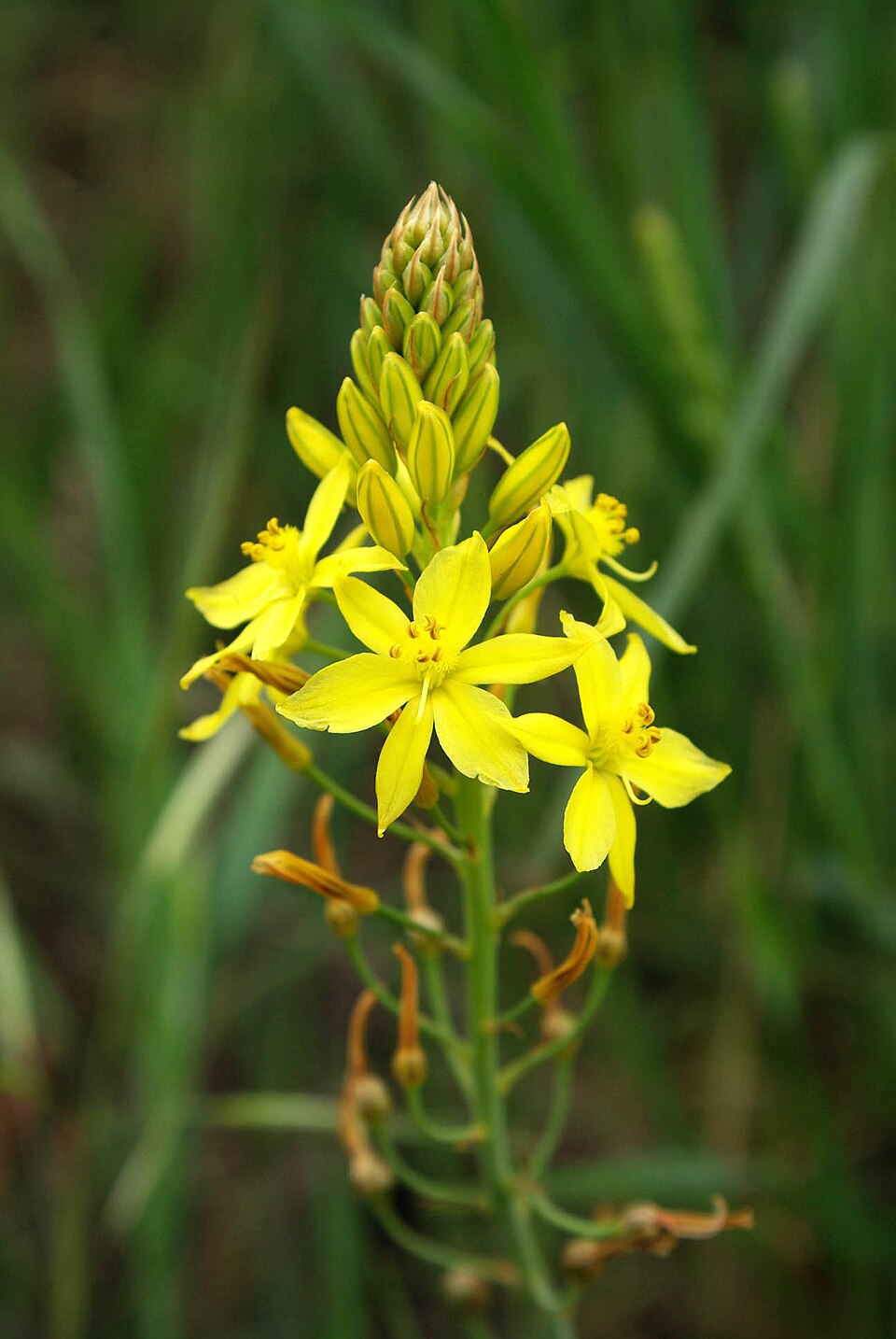
Bulbine bulbosa, the bulbine lily, is a tuberous perennial herb in the family Asphodelaceae native to south-eastern Australia. It grows from a fleshy corm-like rootstock, sending up a rosette of soft, cylindrical, onion-like leaves 6-16 inches (15-40 cm) long that are blue-green and slightly succulent. In spring a leafless stalk rises 12-24 inches (30-60 cm) and opens a tapering raceme of star-shaped yellow flowers about 0.8 inch (20 mm) across, each with six petals and fluffy yellow-bearded stamens, lightly scented and opening from the base upward over several weeks. Small round capsules follow. After seeding the plant dies back to the rootstock and rests through summer. It grows in grassland, grassy woodland, and along moist depressions on loam and clay soils. The cooked corm was a food of Aboriginal peoples across its range. Heavy grazing and pasture clearing have reduced it in farmland, and it needs open, sunny ground free of dense competition.
Native Range
Bulbine bulbosa is native to south-eastern Australia, occurring in Queensland, New South Wales, Victoria, Tasmania, and South Australia. It grows in native grassland, grassy woodland, and seasonally moist flats on loam and clay soils.Suggested Uses
Grown in native grassland plantings, cottage borders, rockeries, and containers for its spring flower spikes. Suited to sunny, seasonally dry beds and grassland restoration. Spaced 8-12 inches (20-30 cm) apart in drifts.How to Identify
Appearance
Size & Dimensions
Height1' - 2'
Width/Spread6" - 10"
Bloom Information
Flowering is concentrated in spring, mainly September to December, with the yellow star flowers opening in sequence up the stalk over several weeks. The lightly scented blooms draw native bees and butterflies. Each flower lasts a day or two, with new buds opening above.
Detailed Descriptions
Foliage Description
blue-green, fleshyGrowing Conditions
Sun Requirements
Requires 6-10 hours of direct sunlight daily
• Full Sun: 6+ hours of direct sunlight
• Partial Shade: 3-6 hours of direct sunlight
• Full Shade: Less than 3 hours of direct sunlight
Care & Maintenance
Care Guide
Grows in full sun on freely draining loam, clay, or sandy soils that hold moisture through the cool growing season and dry in summer. Winter and spring moisture supports leaf and flower growth, after which the plant rests as a dormant rootstock and needs little summer water. Open, sunny ground free of crowding suits it, as dense competition and shade reduce flowering. Light feeding in late winter supports the flower spike. The species self-seeds where the ground is open, and clumps can be lifted and divided in dormancy. Waterlogged soils in summer rot the resting rootstock.Pruning
Removing spent flower stalks after seed has shed keeps clumps tidy and limits self-seeding where it is not wanted. The foliage is left to die down naturally into summer dormancy. Old leaves pull away cleanly once the plant rests.Pruning Schedule
Prune: December–January
summer
Container Growing
Suitable for container growing
Minimum container size: 2 gallons