Bryonia, Genus, spp., Multiple species,
- Genus
- Multiple species
bryony
Europe, North Africa, and western Asia
Overview
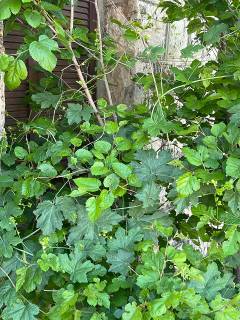
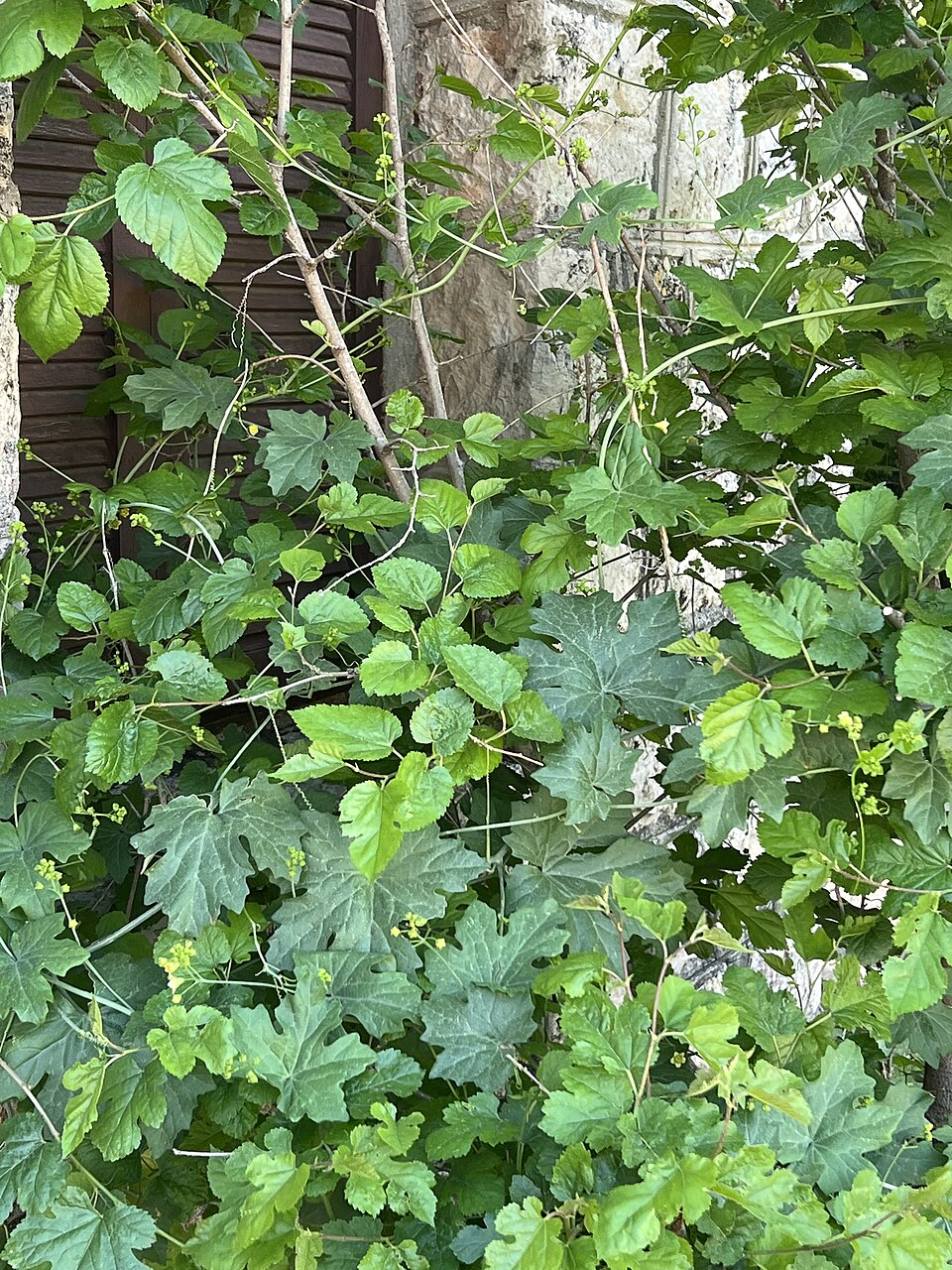
Bryonia is a genus of about 10 species of perennial climbing vines in the gourd family (Cucurbitaceae), native to Europe, North Africa, and western Asia. Each plant grows from a large, fleshy underground tuber that can weigh several pounds and sends up annual stems that scramble and climb 6 to 13 feet (2 to 4 m) using coiled, unbranched tendrils. The leaves are palmately five-lobed, rough to the touch, and 2 to 5 inches (5 to 13 cm) across. Small greenish-white flowers, about 0.4 inch (10 mm) wide, are usually borne with male and female on separate plants, followed on female plants by clusters of round berries that ripen red or black depending on species. Bryonia grows along hedgerows, woodland edges, fences, and scrub on well-drained soils. All parts of the plant, especially the root and berries, contain cucurbitacins and are toxic if eaten, causing severe digestive upset. The top growth dies back each autumn and regrows from the tuber in spring.
Native Range
Bryonia is native to Europe, North Africa, and western Asia, growing in hedgerows, scrub, woodland margins, and disturbed ground. Some species, such as B. alba, have naturalised in North America, where they are treated as noxious weeds in parts of the Pacific Northwest.Suggested Uses
Grown occasionally on rural fences, hedges, and trellises as a fast seasonal screen, and historically used in herbal preparations despite its toxicity. Its quick, scrambling cover suits informal boundaries set apart from where the berries pose a risk. In many regions it is managed as a weed rather than planted.How to Identify
Appearance
Size & Dimensions
Height6' - 13'
Width/Spread2' - 4'
Bloom Information
Flowering occurs through late spring and summer, roughly May to August, with male and female flowers usually on separate plants. The greenish-white flowers are small and modest. Round berries follow on female plants and ripen red or black into autumn.
Detailed Descriptions
Foliage Description
greenGrowing Conditions
Sun Requirements
Requires 4-8 hours of direct sunlight daily
• Full Sun: 6+ hours of direct sunlight
• Partial Shade: 3-6 hours of direct sunlight
• Full Shade: Less than 3 hours of direct sunlight