Brachythecium, Genus, rutabulum, Species,
- Genus & species
rough-stalked feather-moss
Northern Hemisphere (Europe, Asia, North Africa, North America)
SunPart Shade – Full Shade
WaterHigh
Overview
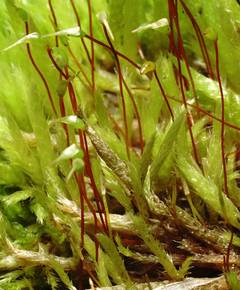
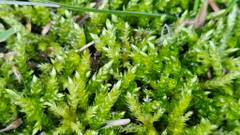
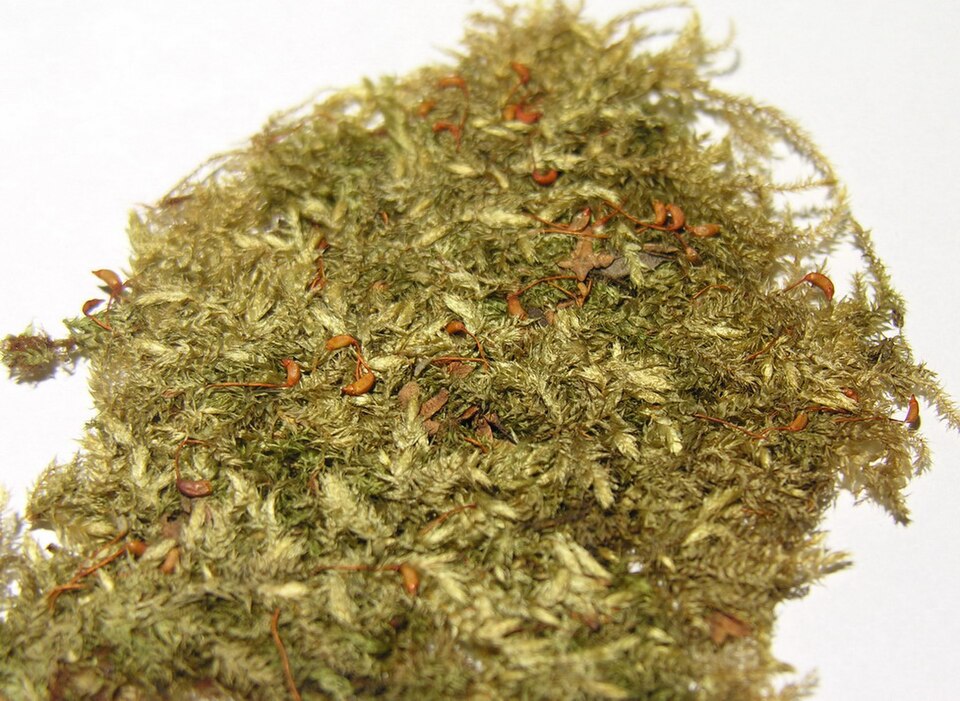
Brachythecium rutabulum is a common pleurocarpous moss that forms loose to dense, glossy yellowish-green mats over soil, rotting wood, tree bases, rocks, and lawns. The irregularly branched, creeping to ascending shoots carry closely spaced, egg-shaped leaves 1.5-2.5 mm long that taper to a drawn-out point, each with a single nerve running most of its length and a slightly pleated, shining surface. Unlike upright (acrocarpous) mosses, it spreads horizontally, the stems weaving through other vegetation and rooting by rhizoids along their length. Spore capsules form on long, rough-textured red-brown stalks 2-3 cm tall, the roughness giving the moss its common name; the capsules are curved, almost horizontal, and shed spores in autumn and winter. It is fast-growing and competitive for a moss, colonising disturbed and nutrient-rich ground quickly, including fertile lawns where it can become a weed. It tolerates a wide range of light and moisture but needs damp conditions to stay green, turning dull and shrunken in drought before reviving after rain. It grows across lowland and upland sites on many substrates, from woodland floors to garden soil and old walls.
Native Range
Brachythecium rutabulum has a broad Northern Hemisphere distribution across Europe, North Africa, Asia, and North America, and is introduced in parts of the Southern Hemisphere. It grows on soil, leaf litter, rotting wood, tree bases, rocks, walls, and lawns, from woodland to gardens and waste ground. It is among the commonest mosses across lowland temperate regions.Suggested Uses
Used in shade and woodland gardens, on log piles, damp stonework, and in moss lawns and green roofs where it knits a low green cover. Grown in terrariums and naturalistic plantings for year-round greenery in damp shade. On fertile, mown turf it is more often treated as a lawn weed than cultivated.How to Identify
Appearance
Size & Dimensions
Height1" - 4"
Width/Spread1' - 2'
Bloom Information
As a moss, Brachythecium rutabulum produces no flowers. Spore capsules develop on rough red-brown stalks through autumn and winter, ripening and releasing spores mainly from late autumn into spring. Capsule production is frequent and often abundant in damp seasons.
Detailed Descriptions
Foliage Description
Yellowish-green to mid-greenGrowing Conditions
Sun Requirements
Tolerates up to 6 hours of direct sunlight daily
• Full Sun: 6+ hours of direct sunlight
• Partial Shade: 3-6 hours of direct sunlight
• Full Shade: Less than 3 hours of direct sunlight
Water & Climate
Water Needs
Care & Maintenance
Care Guide
Brachythecium rutabulum needs damp, shaded to partly sunny conditions and establishes readily on moist soil, wood, stone, and turf. It tolerates a wide range of light but stays green and glossy only where moisture is steady, shrinking and dulling in drought before reviving after rain. In gardens it is encouraged on shaded paving, log piles, and moss lawns by keeping surfaces damp and clear of competing litter. Where it spreads into mown lawns as a weed, improving drainage, raising fertility for the grass, and scarifying reduce it. It needs no feeding and grows without soil, drawing water and minerals over its whole surface. It is hardy and remains green through mild winters.Pruning
No pruning is needed for this moss. Lift or rake out unwanted growth where it spreads into lawns or onto paths. Keep surrounding leaf litter clear where the moss is grown deliberately, so the mats stay open and green.Container Growing
Suitable for container growing
Minimum container size: 1 gallons