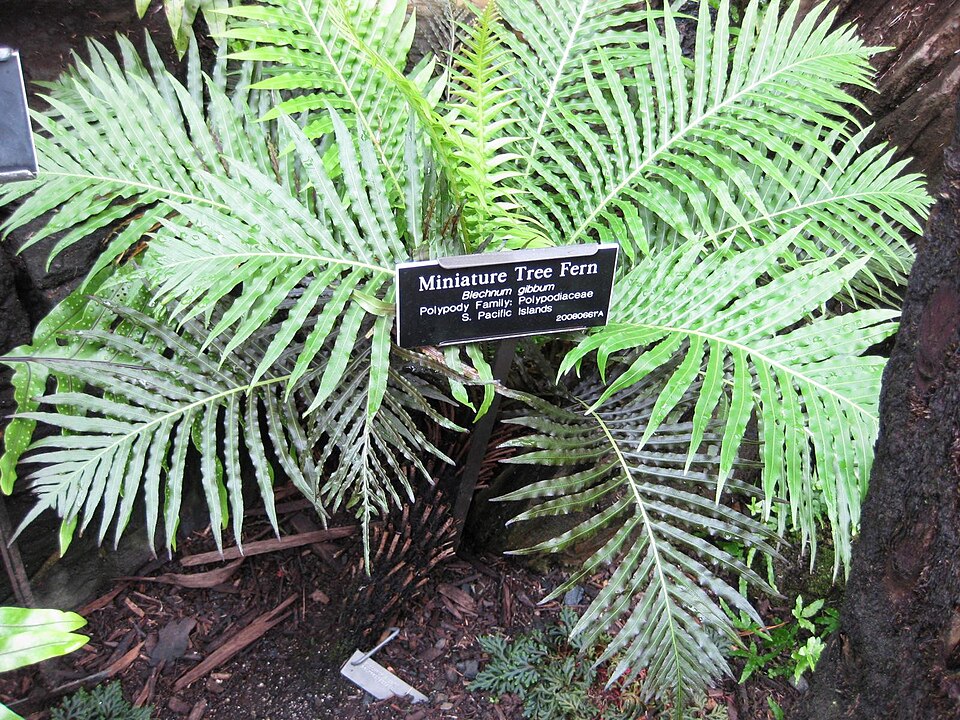
Blechnum, Genus, spp., Multiple species,
- Genus
- Multiple species
hard ferns
Australasia, the Pacific, South America, and Africa
Overview
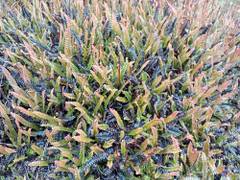
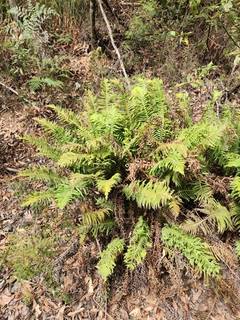
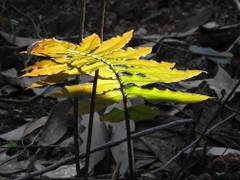
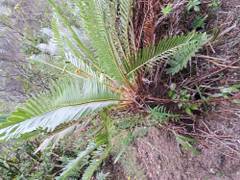
Blechnum is a genus of ferns in the family Blechnaceae, encompassing roughly 150 to 200 species concentrated in the Southern Hemisphere, especially Australia, New Zealand, South America, and the Pacific islands, with fewer in Africa and the Northern Hemisphere. Most species form clumps or low colonies of pinnate fronds 15 cm to 2 m (6 in to 6.6 ft) long, rising from a short erect rhizome or a creeping rootstock. The fronds are leathery and once-divided into many narrow segments, dark green at maturity and often flushed pink, red, or bronze as they unfurl. Many species are dimorphic, producing separate fertile fronds that stand more erect and bear narrow segments lined underneath with continuous bands of spore cases. Evergreen in frost-free and mild climates, the fronds are damaged below about -5 C (23 F) in the hardier species and killed outright in tender tropical ones. Blechnum grows in damp, shaded, acidic habitats such as streambanks, forest floors, and bog margins, and most species fail in dry, alkaline, or exposed sites.
Native Range
Blechnum is found mainly in the Southern Hemisphere, with centers of diversity in Australasia, the Pacific, and temperate and tropical South America. A smaller number of species occur in Africa, Asia, Europe, and North America, typically in cool, moist forests.Suggested Uses
Blechnum is grown in shaded and woodland gardens, beside ponds and streams, and in ferneries and containers under glass in cold regions. Low, spreading species are used as evergreen groundcover in damp shade. The colored new fronds give seasonal interest in shade plantings.How to Identify
Appearance
Size & Dimensions
Height6" - 6'7"
Width/Spread1' - 3'
Bloom Information
As a fern, Blechnum produces no flowers. It reproduces by spores borne in continuous bands on the undersides of the fertile fronds, released mainly in late summer and autumn. New sterile fronds unfurl in spring, frequently colored pink or red before turning green.
Detailed Descriptions
Foliage Description
Dark green, new fronds pink to bronze-redGrowing Conditions
Sun Requirements
Tolerates up to 4 hours of direct sunlight daily
• Full Sun: 6+ hours of direct sunlight
• Partial Shade: 3-6 hours of direct sunlight
• Full Shade: Less than 3 hours of direct sunlight
Water & Climate
Water Needs
Care & Maintenance
Care Guide
Hard ferns grow in part to full shade in consistently moist, acidic, humus-rich soil and decline where drainage is sharp or the ground dries out. Most species tolerate full shade, and direct midday sun scorches the fronds. They need steady moisture and high humidity, conditions found at streamsides and in sheltered woodland. Hardiness varies widely: temperate species such as B. spicant withstand frost to USDA zone 5, while tropical species are limited to frost-free gardens. Established clumps need little attention beyond removal of old fronds. Cold, drying winds brown the foliage even in otherwise mild winters.Pruning
Old or winter-damaged fronds are cut back to the crown in early spring before the new growth unfurls. No other pruning is required. Spreading species are divided to control their colonies.Pruning Schedule
Prune: March
early spring
Container Growing
Suitable for container growing
Minimum container size: 2 gallons