Image 1 of 2
1 / 2
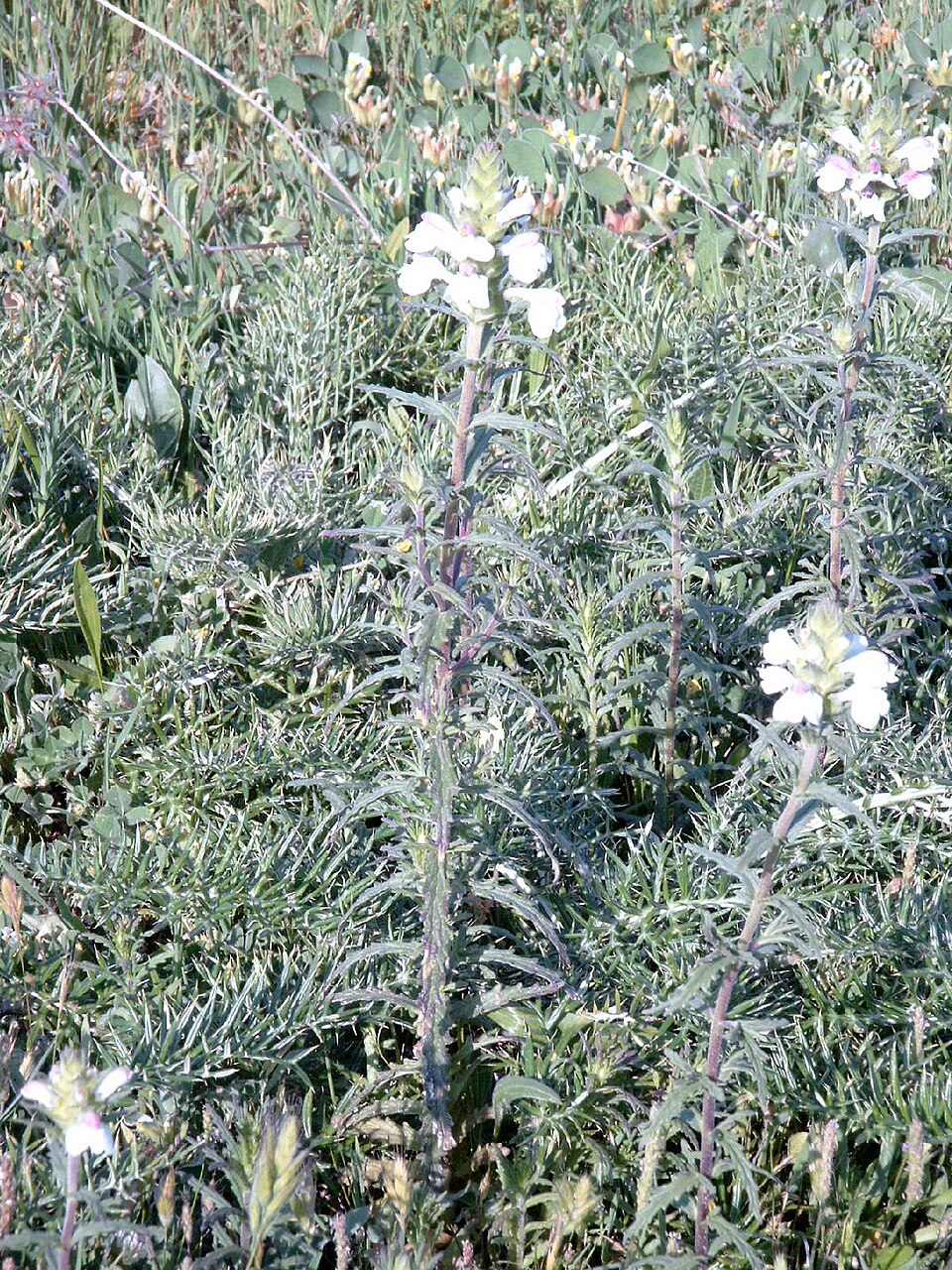
© Taken by Carsten Niehaus (user:Lumbar)., some rights reserved (CC-BY-SA) · Wikimedia Commons
Bellardia, Genus, spp., Multiple species,
- Genus
- Multiple species
Mediterranean lineseed
Mediterranean Basin and western Asia
SunFull Sun
Overview
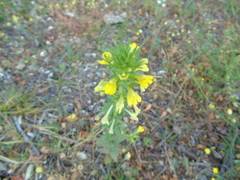
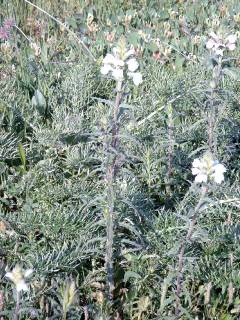
Bellardia is a small genus of annual hemiparasitic herbs in the broomrape family (Orobanchaceae), native to the Mediterranean region and parts of western Asia. The plants attach to the roots of neighbouring grasses and herbs to draw water and nutrients while still producing their own chlorophyll. Stems are erect and usually unbranched, reaching 4-20 inches (10-50 cm) tall, with opposite, toothed leaves. Flowers are borne in dense terminal spikes; each two-lipped bloom is about 0.6-0.8 inch (15-20 mm) long, with colours ranging from white and yellow to pink and purple depending on the species and population. The species Bellardia trixago has spread well beyond its native range and is naturalized in California, Chile, South Africa, and southern Australia, where it grows as a weed of disturbed ground and pasture. Because the genus depends on host plants, it is rarely cultivated and does not transplant reliably. Flowering occurs in spring and early summer, after which the plants set abundant seed and die. The seeds are small and numerous, which allows rapid colonisation of open, sunny sites.
Native Range
Native to the Mediterranean Basin and western Asia, on open grassland, disturbed soil, and roadsides. Several species have naturalized in Mediterranean-climate regions of other continents.Suggested Uses
Bellardia is not a cultivated ornamental and is mainly of botanical interest as an example of root hemiparasitism. It is most often encountered as a naturalized plant of open ground rather than in gardens.How to Identify
Appearance
Size & Dimensions
Height4" - 1'8"
Width/Spread2" - 6"
Bloom Information
Detailed Descriptions
Flower Description
White, yellow, pink, or purpleFoliage Description
GreenGrowing Conditions
Sun Requirements
Requires 6-10 hours of direct sunlight daily
• Full Sun: 6+ hours of direct sunlight
• Partial Shade: 3-6 hours of direct sunlight
• Full Shade: Less than 3 hours of direct sunlight
Water & Climate
Water Needs
Drought Tolerance
Drought tolerant when established