Belamcanda, Genus, spp., Multiple species,
- Genus
- Multiple species
blackberry lily
Overview
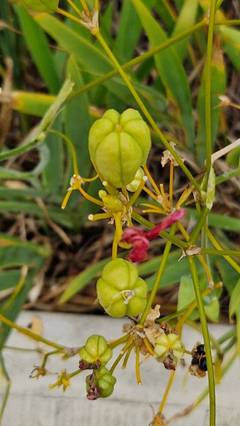
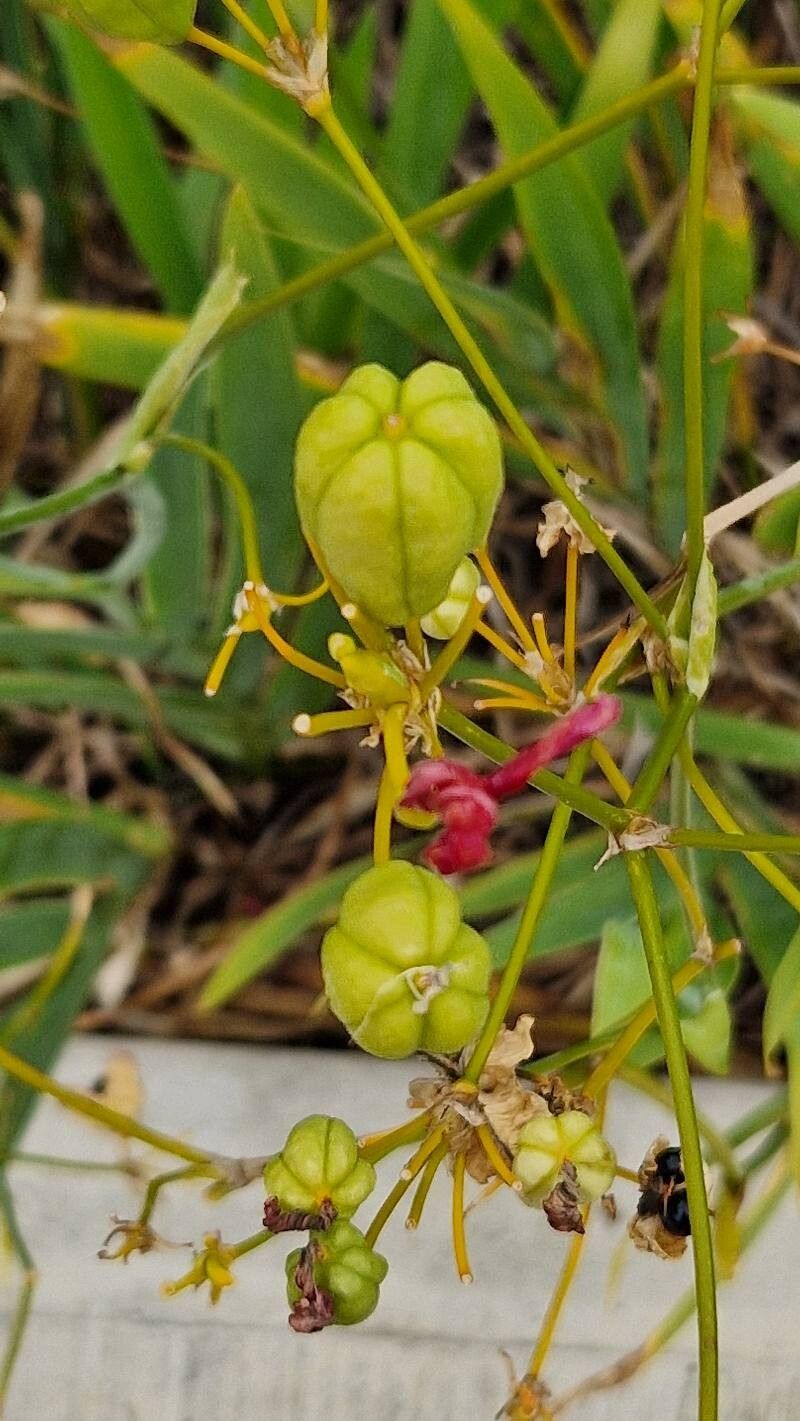
Belamcanda is a genus in the iris family (Iridaceae) traditionally treated as containing a single species, Belamcanda chinensis, native to eastern Asia. Modern taxonomic work places the genus within Iris, though it remains widely listed under Belamcanda in horticulture. Plants grow from short rhizomes and form fans of flat, sword-shaped leaves arranged in one plane, reaching 18-36 inches (45-90 cm) tall. The leaves are blue-green and resemble those of Iris. Branched flower stems rise above the foliage in summer, carrying flowers 1.5-2 inches (4-5 cm) across with six segments, typically orange marked with red spots. Each flower lasts a single day, twisting closed into a spiral as it fades. After flowering, the seed capsules split open to expose tight clusters of glossy black seeds that resemble blackberries, which remain on the stems into autumn. The genus tolerates a range of garden soils but is short-lived in cold-winter regions, where plants may persist only two to three years. Belamcanda has naturalized locally in parts of the southeastern United States after garden escape. All parts contain irritant compounds that can cause stomach upset if eaten.
Native Range
Native to eastern Asia, including China, Japan, Korea, and the Russian Far East, and extending into northern India. Belamcanda grows on grassy hillsides, open woodland margins, and rocky slopes.Suggested Uses
Grown in mixed borders and gravel gardens for its summer flowers and persistent seed clusters. The dried capsules are used in cut arrangements. Plants combine with ornamental grasses and other perennials grown in full sun.How to Identify
Appearance
Size & Dimensions
Height1'6" - 3'
Width/Spread1' - 2'
Colors
Bloom Information
Flowers open over several weeks in mid to late summer, roughly July to August in temperate gardens. Individual blooms last a single day, but the branched stems open new flowers in succession. Seed capsules develop through late summer and split open in autumn.
Detailed Descriptions
Flower Description
Orange with red spotsFoliage Description
Blue-greenGrowing Conditions
Sun Requirements
Requires 6-10 hours of direct sunlight daily
• Full Sun: 6+ hours of direct sunlight
• Partial Shade: 3-6 hours of direct sunlight
• Full Shade: Less than 3 hours of direct sunlight
Care & Maintenance
Care Guide
Plants grow in full sun to light shade in average, well-drained soil. Consistent moisture during the growing season supports flowering, though established clumps tolerate short dry spells. In regions colder than USDA zone 5, plants are short-lived and may need replacing every few years or lifting over winter. Division of the rhizomes in spring renews older clumps. Seed sown in autumn or spring germinates readily, and self-sown seedlings often appear near established plants.Pruning
No structural pruning is required. Spent flower stems can be left to display the seed capsules or cut once they are no longer wanted. Old foliage is cut back to the ground in late autumn or early spring.Pruning Schedule
Prune: March
early spring
Container Growing
Suitable for container growing
Minimum container size: 2 gallons