Ballota, Genus, spp., Multiple species,
- Genus
- Multiple species
horehound
Mediterranean, Europe, and western Asia
Overview
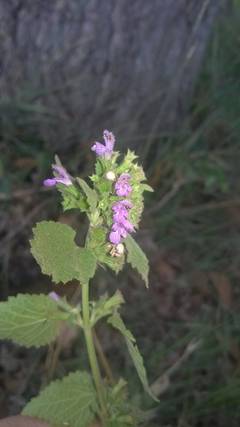
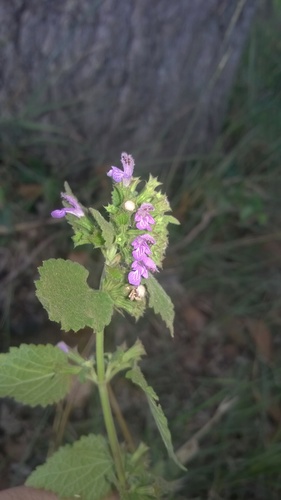
Ballota is a genus of perennials and woody-based subshrubs in the mint family Lamiaceae, native to the Mediterranean region, western Asia, and Europe. Plants form clumps or low mounds 12-36 inches (30-90 cm) tall and 18-36 inches (45-90 cm) wide, with square, branching stems typical of the family. Leaves are opposite, rounded to heart-shaped, 0.8-2.5 inches (2-6 cm) long, wrinkled, and either green in B. nigra or densely white-woolly and grey in B. pseudodictamnus. Small two-lipped flowers, 0.3-0.5 inch (8-12 mm) long, are white, pink, or purple and sit in whorled clusters in the leaf axils, each backed by a funnel-shaped calyx that persists and dries after flowering. The aromatic foliage of B. nigra has a strong, rank scent when bruised. Plants are evergreen to semi-evergreen in mild climates and die back in cold winters. Growth is moderate, and the woody-based species are short-lived, often replaced after a few years. The dried calyces remain on the stems through autumn.
Native Range
Native to the Mediterranean basin, southern and central Europe, North Africa, and western and central Asia. Plants grow on dry, stony slopes, roadsides, waste ground, and open scrub, mostly on poor, well-drained soils from sea level to about 4,900 feet (1,500 m).Suggested Uses
Grown in dry gardens, gravel and Mediterranean plantings, and mixed borders, spaced 18-24 inches (45-60 cm) apart. The grey, woolly foliage of B. pseudodictamnus is used for contrast among greens, and the dried calyces in cut and dried arrangements. Plants suit hot, lean sites but tend to flop in fertile or shaded ground.How to Identify
Appearance
Size & Dimensions
Height1' - 3'
Width/Spread1'6" - 3'
Bloom Information
Detailed Descriptions
Flower Description
white, pink, or purpleFoliage Description
grey-green to greenGrowing Conditions
Sun Requirements
Requires 6-10 hours of direct sunlight daily
• Full Sun: 6+ hours of direct sunlight
• Partial Shade: 3-6 hours of direct sunlight
• Full Shade: Less than 3 hours of direct sunlight
Care & Maintenance
Care Guide
Plants grow in full sun in poor, dry, sharply drained soil and tolerate heat, drought, and lean ground once established. Rich soil and excess water cause soft, floppy growth and root rot, especially in the woolly grey species. The hardier species withstand about 0-10 F (-18 to -12 C), while the grey-leaved kinds are more frost-tender and apt to rot in cold wet winters. Cutting back in spring removes winter-damaged growth and keeps plants dense. Few pests trouble the aromatic foliage, and deer and rabbits generally pass it by. The woody-based species are short-lived and replaced every three to five years.Pruning
Cut plants back in early spring to remove frost-damaged stems and old flower heads and to encourage compact new growth. The dried calyx stems can be left for autumn and winter structure or sheared after flowering. Hard cuts into bare old wood resprout poorly, so pruning stays within leafy growth.Pruning Schedule
Prune: March–April
early spring
Container Growing
Suitable for container growing
Minimum container size: 3 gallons