Averrhoa, Genus, spp., Multiple species,
- Genus
- Multiple species
carambola
Overview
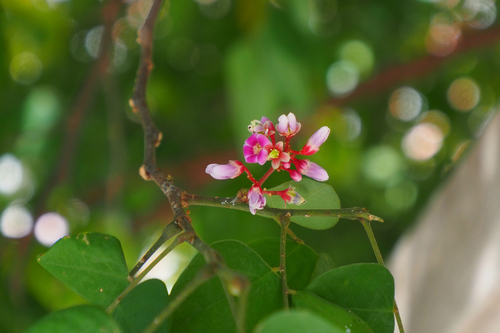
Averrhoa is a small genus of evergreen tropical trees in the family Oxalidaceae, comprising the cultivated species A. carambola (carambola) and A. bilimbi (bilimbi). Trees reach 16-33 feet (5-10 m) tall with short, often crooked trunks and dense, rounded crowns. Leaves are alternate and pinnately compound, 6-20 inches (15-50 cm) long, with 5-19 ovate leaflets that fold together at night and in response to touch. Small flowers, 0.2-0.4 inch (5-10 mm) across, are pink to lilac or red-purple and borne in panicles on twigs, branches, and the trunk. The fruit is a fleshy berry: in A. carambola it is 2-6 inches (5-15 cm) long with five longitudinal ribs that form a star in cross-section, while in A. bilimbi it is ellipsoid and 1.5-4 inches (4-10 cm) long. Fruit ripens from green to yellow or yellow-green and has juicy, acidic to sweet-tart flesh. Trees are evergreen in frost-free climates and are damaged below about 30 F (-1 C). Growth is moderate, and trees begin fruiting within 3-5 years from seed.
Native Range
Native to tropical Southeast Asia, with A. carambola thought to originate in the Malay Archipelago and A. bilimbi in the Moluccas region of Indonesia. Both species are now grown throughout the tropics, including South and Southeast Asia, tropical America, and the Caribbean, in lowland humid climates below about 4,000 feet (1,200 m).Suggested Uses
Grown as fruit trees in tropical and subtropical gardens and orchards, spaced 20-30 feet (6-9 m) apart. Smaller forms are kept in large containers of at least 15 gallons (57 L) and moved under cover where winters are cool. The dense canopy is also used for light shade in home gardens.How to Identify
Appearance
Size & Dimensions
Height16' - 33'
Width/Spread13' - 26'
Bloom Information
In tropical climates flowering occurs in several flushes through the year, often concentrated from spring to autumn where there is a dry-wet seasonal cycle. A. carambola can flower and fruit nearly continuously near the equator. Individual flower panicles last 1-2 weeks, with fruit maturing 60-75 days after bloom.
Detailed Descriptions
Flower Description
pink to red-purpleFoliage Description
greenGrowing Conditions
Sun Requirements
Requires 6-10 hours of direct sunlight daily
• Full Sun: 6+ hours of direct sunlight
• Partial Shade: 3-6 hours of direct sunlight
• Full Shade: Less than 3 hours of direct sunlight
Care & Maintenance
Care Guide
Trees grow in full sun in deep, well-drained loam and tolerate a range of soils where drainage is adequate. Consistent moisture is needed during establishment and fruit development, while prolonged drought causes leaf and fruit drop. Plants are cold-sensitive, with foliage damaged below about 30 F (-1 C) and young trees killed by hard frost. Wind breaks the brittle branches and scars developing fruit. Fruit flies and scale insects are the main pests in cultivation, and root rot develops in waterlogged soil. Trees respond to light feeding through the growing season on poor soils.Pruning
Prune to remove crossing, dead, or damaged branches after the main harvest and to keep the canopy open for light and air movement. Lower branches can be raised to ease access to fruit. Mature trees need little structural pruning beyond thinning to limit wind breakage of the brittle wood.Pruning Schedule
Prune: February–March
winterearly spring
Container Growing
Suitable for container growing
Minimum container size: 15 gallons