Atriplex, Genus, patula, Species,
- Genus & species
common orache
Europe, North Africa, and temperate Asia
SunFull Sun
Overview
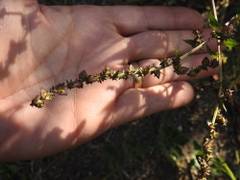
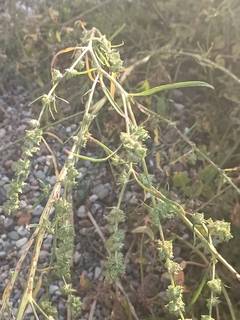
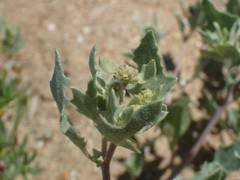
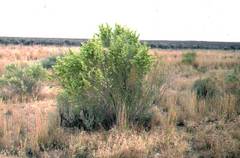
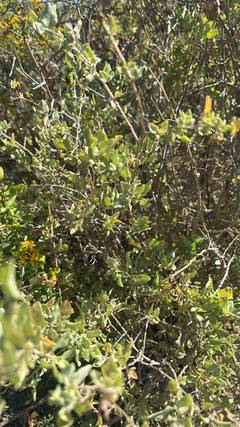
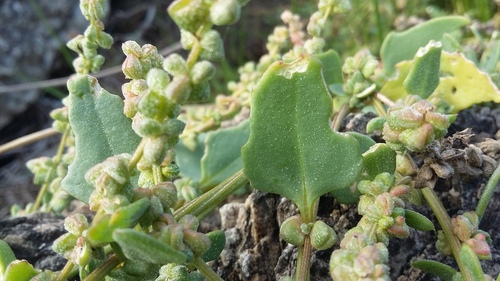
Atriplex patula is a variable annual 8-36 inches (20-90 cm) tall, with ascending or sprawling, often reddish, ridged stems. The leaves are mealy or scurfy, especially when young, the lower ones spear-shaped (hastate) with a pair of forward-pointing basal lobes, the upper ones narrow and untoothed. Tiny green flowers without petals are clustered in slender spikes; male and female flowers are separate on the same plant, and each seed is enclosed by two triangular bracteoles. It grows on arable land, waste ground, roadsides, and coastal and brackish soils, and tolerates some salt. As a short-lived annual of open ground, it is shaded out by taller growth and seldom persists once vegetation closes over. Plant size and leaf shape vary widely with soil and moisture.
Native Range
Native across Europe, North Africa, and temperate Asia on disturbed and coastal ground. It has spread with cultivation to North America and other regions, where it grows as a weed of fields and waste places.Suggested Uses
The young leaves and shoots are edible, cooked or raw like spinach, and the plant has a long history as a wild green. It is rarely grown by choice and appears mostly as a weed of fields, gardens, and coasts. Its seeds feed finches and other seed-eating birds in autumn.How to Identify
Appearance
Size & Dimensions
Height8" - 3'
Width/Spread8" - 1'6"
Bloom Information
Detailed Descriptions
Foliage Description
Grey-green, mealyGrowing Conditions
Sun Requirements
Requires 6-12 hours of direct sunlight daily
• Full Sun: 6+ hours of direct sunlight
• Partial Shade: 3-6 hours of direct sunlight
• Full Shade: Less than 3 hours of direct sunlight
Water & Climate
Water Needs
Drought Tolerance
Drought tolerant when established
Care & Maintenance
Care Guide
Atriplex patula grows in full sun on a wide range of soils, including saline and disturbed ground, at a soil pH of about 6.0-8.0. As an annual of open ground it germinates on bare soil and completes its cycle in one season. It tolerates drought, salt, and poor soils but cannot compete with dense, taller vegetation. It needs no feeding or watering and self-sows freely where ground is disturbed. Seed germinates mainly in spring, and plants die after setting seed. Its salt tolerance lets it grow on coastal and roadside ground that excludes many plants.Pruning
As an annual, Atriplex patula is not pruned. Plants die after seeding and can be pulled or hoed where they are unwanted on cultivated or garden ground.Toxicity
Non-toxicPlanting Guide
Planting Methods & Timing
Planting Method
direct sow
Direct Sow Timing
Spring, on bare ground after the last frost
Days to Maturity
50–70 days
Plant Spacing
8 inches