Astragalus, Genus, trichopodus, Species,
- Genus & species
santa barbara milkvetch
Overview
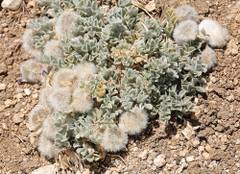
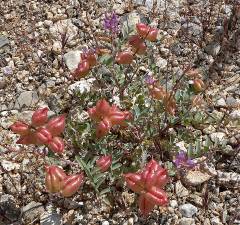
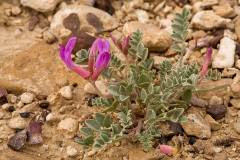
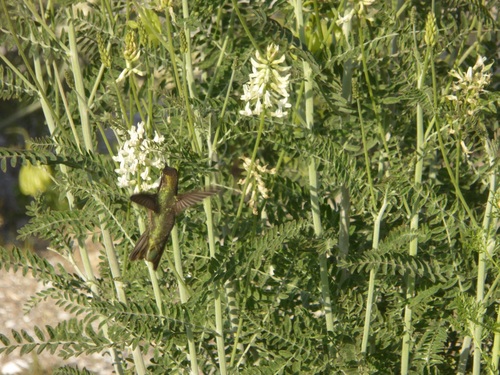
Astragalus trichopodus is a herbaceous perennial in the legume family, forming a sprawling to ascending clump 1.5-3 feet (45-90 cm) tall and 2-4 feet (60-120 cm) wide. Stems are slender and branched, covered in soft, appressed hairs. Leaves are pinnately compound, 2-6 inches (5-15 cm) long, with 15-35 oblong leaflets that are gray-green and softly hairy. Cream to greenish-white pea-like flowers, each about 0.5 inch (1.3 cm) long, are carried in loose clusters of 10-40 from late winter into spring. Flowers give way to inflated, papery seed pods 1-1.5 inches (2.5-4 cm) long that turn straw-colored and rattle when dry. The plant is short-lived, often persisting 3-5 years, and dies back during summer drought. Roots fix nitrogen through soil bacteria. Foliage and seeds contain compounds toxic to livestock if grazed in quantity. Plants self-sow where soil is bare and disturbed, which can crowd slower-growing neighbors.
Native Range
Native to coastal southern and central California, the Channel Islands, and northern Baja California, Mexico. Grows on coastal bluffs, dunes, scrub, and grassland slopes below 2,500 feet (760 m), often on sandy or disturbed soils near the ocean.Suggested Uses
Used in California native plant gardens, dune restoration, and dry meadow plantings, spaced 2-3 feet (60-90 cm) apart. Supports native bees and serves as a larval host for several butterfly species. The summer-dormant habit leaves gaps in the planting from midsummer onward.How to Identify
Appearance
Size & Dimensions
Height1'6" - 3'
Width/Spread2' - 4'
Bloom Information
Detailed Descriptions
Flower Description
Cream to greenish-whiteFoliage Description
Gray-greenGrowing Conditions
Sun Requirements
Requires 6-10 hours of direct sunlight daily
• Full Sun: 6+ hours of direct sunlight
• Partial Shade: 3-6 hours of direct sunlight
• Full Shade: Less than 3 hours of direct sunlight
Care & Maintenance
Care Guide
Grow in full sun in sandy or gravelly, well-drained soil. Water occasionally during the first season to establish; once rooted, the plant relies on winter and spring rainfall and needs little to no summer water. Summer irrigation in heavy soil promotes root rot and shortens the plant lifespan. No fertilizer is needed because the roots fix their own nitrogen. Plants decline after 3-5 years and are replaced by self-sown seedlings. Foliage and seeds are toxic to grazing animals.Pruning
Cut back spent flowering stems after the pods dry to limit self-seeding, or leave them in place for reseeding and wildlife value. Take out dead stems at the base once the plant goes summer-dormant. No routine shaping is required.Pruning Schedule
Prune: June–July
summer