Arum, Genus, spp., Multiple species,
- Genus
- Multiple species
arum lilies
Europe, the Mediterranean, North Africa, and western Asia
Overview
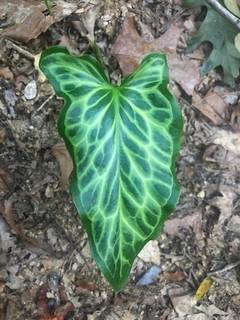
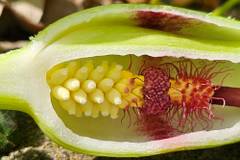
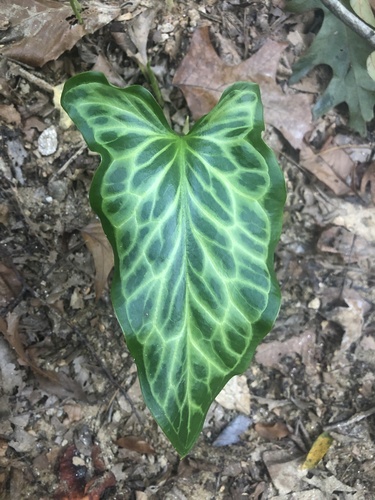
Arum is a genus of about 25 species of tuberous perennials in the family Araceae, native to Europe, the Mediterranean basin, North Africa, and western Asia. Plants grow from underground tubers and produce arrow-shaped or heart-shaped leaves 6-14 inches (15-35 cm) long, often marbled or veined with paler green or cream. The inflorescence is a vertical spadix partly enclosed by a leaf-like spathe, ranging from 6-16 inches (15-40 cm) tall across the genus. Spathes are pale green, cream, or purple-flushed, and the spadix of many species warms and releases a scent that attracts small flies, which it traps overnight to transfer pollen. After flowering, a dense spike of berries forms, ripening from green to orange-red by late summer. Leaf emergence varies: A. italicum produces foliage in autumn that persists through winter, while A. maculatum leafs out in spring. All parts contain calcium oxalate crystals that cause burning and swelling of the mouth and throat if eaten, with the highest concentration in the ripe berries. The genus spreads by tuber offsets and self-sown seed, which can lead to naturalizing in mild climates.
Native Range
Arum is native to Europe, the Mediterranean region, North Africa, and western Asia, growing in woodland, hedgerows, and rocky slopes. A. maculatum is widespread in western and central Europe, while A. italicum extends through southern Europe and North Africa.Suggested Uses
Grown in woodland gardens, shaded borders, and under deciduous shrubs, where the marbled foliage of A. italicum fills the winter season. The autumn berry spikes add color to shaded ground. Toxicity limits use in gardens frequented by children and pets.How to Identify
Appearance
Size & Dimensions
Height6" - 1'4"
Width/Spread8" - 1'
Bloom Information
Flowering occurs in spring, generally April to June in temperate zones. Each plant carries a single spathe-and-spadix inflorescence that lasts one to two weeks, often warming and releasing a scent at dusk to draw pollinating flies. Berry spikes then develop through summer and color by August or September.
Detailed Descriptions
Flower Description
green to cream, sometimes purple-flushedFoliage Description
green, often marbled creamGrowing Conditions
Sun Requirements
Requires 2-6 hours of direct sunlight daily
• Full Sun: 6+ hours of direct sunlight
• Partial Shade: 3-6 hours of direct sunlight
• Full Shade: Less than 3 hours of direct sunlight
Water & Climate
Water Needs
Care & Maintenance
Care Guide
Plants grow in part shade to full shade in moist, humus-rich soil, reflecting their woodland origin. Tubers are planted 4-6 inches (10-15 cm) deep in autumn and left undisturbed to form clumps. A. italicum and several relatives are hardy in USDA zones 6-9, while more tender Mediterranean species need frost-free conditions. Soil should stay moist during growth but never waterlogged, and many species tolerate summer dormancy as the foliage dies back. All parts are toxic if eaten, which restricts placement in gardens used by young children. Self-sown seedlings appear readily and can be lifted in spring where spread is not wanted.Pruning
Remove faded inflorescences and yellowing leaves at the base as they collapse. Cut down the berry spikes before they shed seed where naturalizing is not wanted, since seedlings establish freely. No other routine pruning is needed.Container Growing
Suitable for container growing
Minimum container size: 2 gallons