Arnoglossum, Genus, plantagineum, Species,
- Genus & species
prairie Indian plantain
Overview
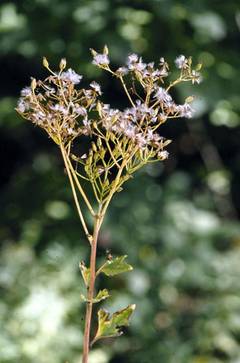
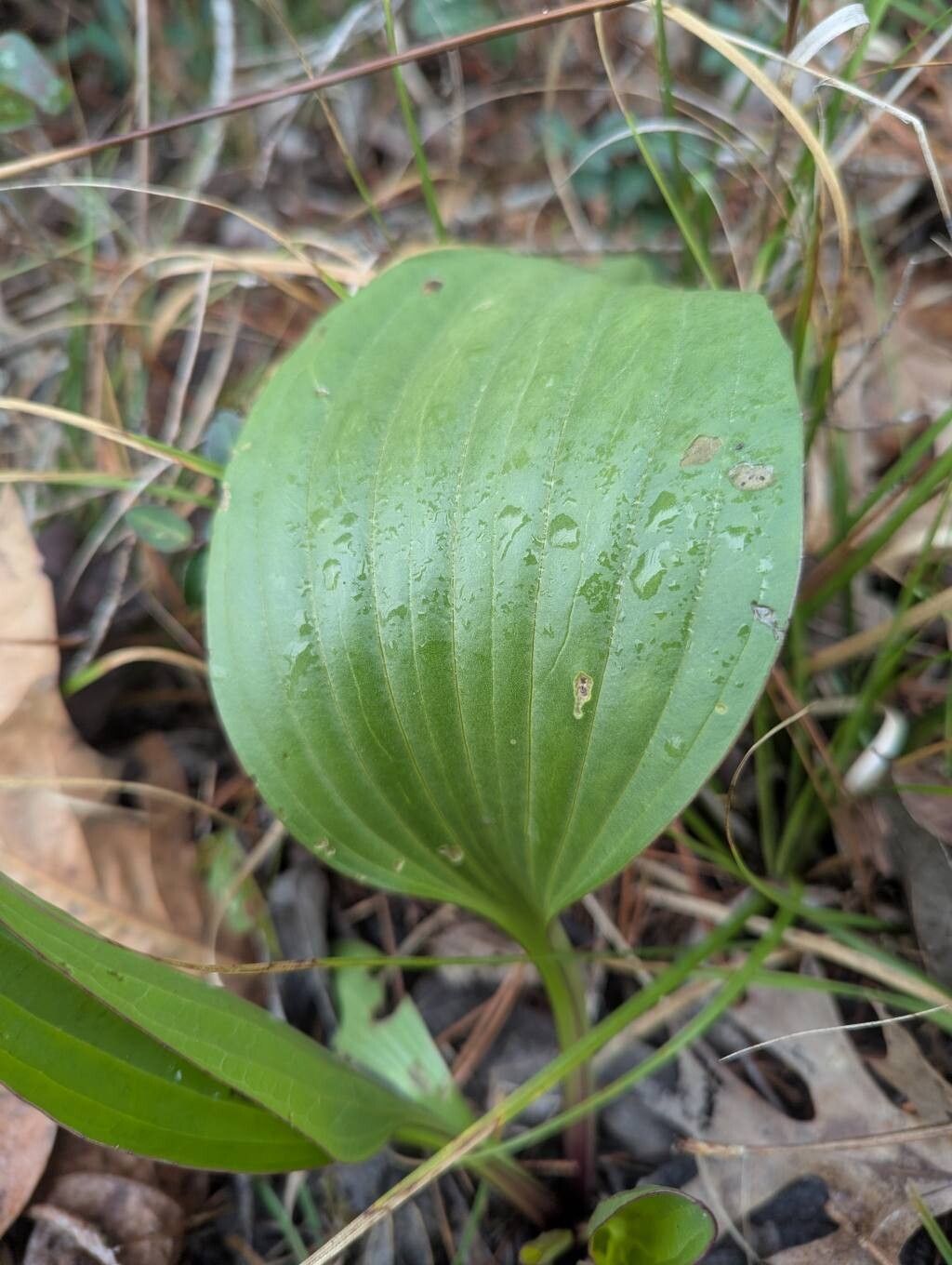
Arnoglossum plantagineum is a tall, upright perennial of moist prairies, growing 2-6 feet (0.6-1.8 m) tall and 1-2 feet (30-60 cm) wide. It forms a rosette of thick, oval to elliptic basal leaves with smooth margins and several roughly parallel veins, resembling those of plantain. The grooved, angled flowering stems are smooth and rise well above the foliage. From early to midsummer it bears flat-topped clusters of small, creamy-white flower heads, each made of five tubular florets without showy rays. The species is native to wet prairies, fens, and limestone glades across the central United States. It grows in full sun to part shade in moist, often calcareous soil and tolerates seasonal wetness. The deep root system makes it slow to establish but long-lived once settled. The flowers draw bees, wasps, and flies. In rich or shaded sites the tall stems may lean. The flat flower heads sit above the foliage through summer. Hardy in USDA zones 4-8.
Native Range
Arnoglossum plantagineum is native to the central United States, from Minnesota and Ohio south to Texas and the Gulf states. It grows in moist and wet prairies, fens, sedge meadows, and limestone glades.Suggested Uses
Used in prairie and meadow plantings, rain gardens, and moist native borders. Suited to wet, sunny sites and pollinator plantings. Spaced 18-24 inches (45-60 cm) apart in groups.How to Identify
Appearance
Size & Dimensions
Height2' - 6'
Width/Spread1' - 2'
Bloom Information
Detailed Descriptions
Foliage Description
GreenGrowing Conditions
Sun Requirements
Requires 4-10 hours of direct sunlight daily
• Full Sun: 6+ hours of direct sunlight
• Partial Shade: 3-6 hours of direct sunlight
• Full Shade: Less than 3 hours of direct sunlight
Care & Maintenance
Care Guide
Grow in full sun to part shade in moist to wet, fertile soil, including clay and calcareous ground. Water during dry spells, as the plant grows poorly in prolonged drought. It is slow to establish from its deep roots but persists for many years once settled. Plants seldom need division and are slow to recover if disturbed. In rich or shaded soil the tall stems may need support. No fertilizer is needed in fertile prairie soil.Pruning
Cut flowering stems back after seed set to limit self-seeding, or leave them for winter structure. Remove dead stems in late winter before new growth. No other pruning is needed.Pruning Schedule
Prune: February & August
summerwinter