Arnoglossum, Genus, atriplicifolium, Species,
- Genus & species
pale Indian plantain
Overview
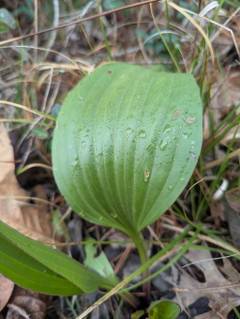
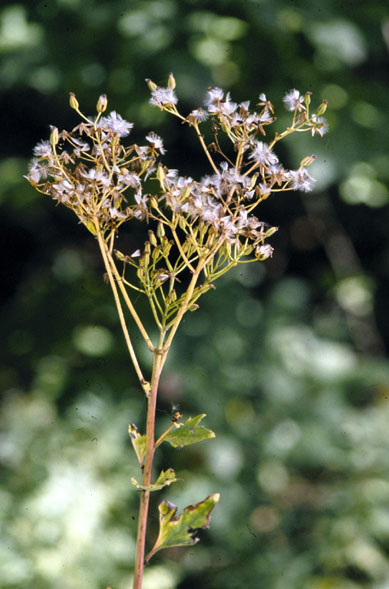
Arnoglossum atriplicifolium is a tall herbaceous perennial in the aster family, with smooth, often whitish-coated stems 3-9 feet (0.9-2.7 m) tall rising from a fibrous-rooted crown. The lower leaves are large, broadly triangular to fan-shaped with coarse angular lobes, 4-10 inches (10-25 cm) wide, green above and pale, whitish, and waxy beneath. The upper leaves are smaller. Flat-topped to dome-shaped clusters of small cream to greenish-white flower heads, each holding about five rayless florets, open from midsummer into fall. The fruit is a small seed with a tuft of white bristles. It grows in prairies, open woods, glades, and roadside thickets across the central and eastern United States. The tall stems can lean in rich soil or wind, and the plant takes up considerable space, so it suits the back of large plantings rather than small beds.
Native Range
Arnoglossum atriplicifolium is native to the central and eastern United States, from the Great Lakes and Northeast south to the Gulf states. It grows in prairies, open woods, glades, and along roadsides.Suggested Uses
Used at the back of native borders, in prairie and meadow plantings, and in pollinator gardens with room for its height. The late-summer flowers draw bees, wasps, and other insects. Space plants 2-3 feet (60-90 cm) apart in full sun to part shade.How to Identify
Appearance
Size & Dimensions
Height3' - 9'
Width/Spread2' - 3'
Bloom Information
Detailed Descriptions
Flower Description
cream to greenish-whiteFoliage Description
green above, pale waxy beneathGrowing Conditions
Sun Requirements
Requires 4-10 hours of direct sunlight daily
• Full Sun: 6+ hours of direct sunlight
• Partial Shade: 3-6 hours of direct sunlight
• Full Shade: Less than 3 hours of direct sunlight
Care & Maintenance
Care Guide
Grows in full sun to part shade in average to moist, well-drained soil with a pH near 5.5-7.5. It tolerates a range of soils, from clay to loam, and average garden moisture, but the tall stems lean in rich soil, heavy shade, or exposed wind. Established plants tolerate short dry spells. No routine feeding is needed. It self-sows where the ground is open and forms slowly expanding clumps from the crown.Pruning
Cut the stems to the ground in late fall or winter after the foliage dies back. Removing seed heads before they ripen limits self-sowing. Cutting plants back in late spring reduces height and leaning but delays bloom.Pruning Schedule
Prune: November
fallwinter