Arisarum, Genus, spp., Multiple species,
- Genus
- Multiple species
Mediterranean Europe, North Africa, and the Caucasus
Overview
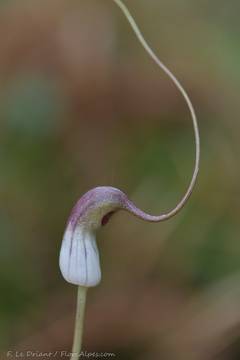
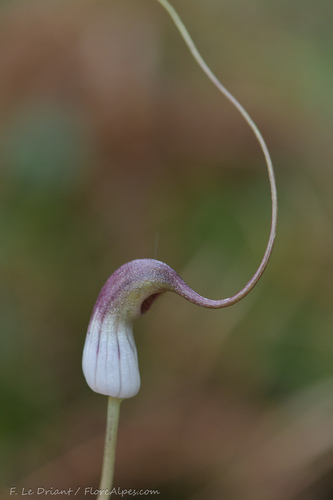
Arisarum is a genus of small tuberous and rhizomatous perennials in the arum family, comprising about three species. Plants reach 4-12 inches (10-30 cm) tall, growing from underground tubers or creeping rhizomes. Leaves are arrow-shaped to oblong, 2-6 inches (5-15 cm) long, glossy deep green, and emerge in autumn or winter. The inflorescence is a hooded spathe 1-3 inches (2.5-7.5 cm) long, striped or mottled in green, brown, white, and purple, enclosing a slender spadix. In A. proboscideum the spathe tip extends into a thread-like tail up to 6 inches (15 cm) long. Flowering occurs from autumn through spring depending on species and climate. Foliage dies back to the tuber in summer, leaving the plant dormant during dry heat. Spread is gradual, by rhizome extension or tuber offsets, forming low colonies over several years. Plants are pollinated by small flies drawn into the spathe chamber. The summer-dormant cycle leaves bare soil for several months, and the small flowers sit close to the ground, partly hidden by foliage. Sap and tubers contain calcium oxalate crystals that can irritate skin and mucous membranes.
Native Range
Native to the Mediterranean basin and the Atlantic margins of southwestern Europe, extending into North Africa and east to the Caucasus. Grows in woodland, shaded rocky slopes, garrigue, and along streambanks in humus-rich, seasonally moist soils.Suggested Uses
Grown as a groundcover in woodland and shaded rock gardens, spaced 6-8 inches (15-20 cm) apart. Used at the front of shaded borders and under deciduous shrubs where summer dormancy is not conspicuous. Grows in containers of at least 1 gallon (4 L) with a free-draining, humus-rich mix.How to Identify
Appearance
Size & Dimensions
Height4" - 1'
Width/Spread6" - 1'
Bloom Information
Flowering ranges from autumn to spring across the genus. A. vulgare blooms from autumn into early spring in Mediterranean climates, while A. proboscideum flowers in early to mid spring, March through May. The spathes last several weeks. Cool, moist conditions extend the display; heat ends it and triggers summer dormancy.
Detailed Descriptions
Flower Description
green, brown, purple, and white striped spatheFoliage Description
deep greenGrowing Conditions
Sun Requirements
Tolerates up to 4 hours of direct sunlight daily
• Full Sun: 6+ hours of direct sunlight
• Partial Shade: 3-6 hours of direct sunlight
• Full Shade: Less than 3 hours of direct sunlight
Care & Maintenance
Care Guide
Tubers are planted 2-3 inches (5-7.5 cm) deep in part to full shade in humus-rich soil that stays moist during the autumn-to-spring growing season. Soil is kept moist during active growth and drier in summer when foliage dies back and tubers rest. Established colonies tolerate short dry spells in dormancy but rot in waterlogged soil. Slugs and snails graze the emerging leaves in damp weather. Sap and tubers contain calcium oxalate crystals that can irritate skin and mucous membranes. Tubers are lifted and divided during summer dormancy every 3-4 years to manage spread.Pruning
Yellowing foliage is removed after it dies back in late spring or summer; the plant needs no other cutting. Spent spathes are removed once they wither. Self-sown seedlings and stray tubers can be lifted during dormancy to limit colony spread.Pruning Schedule
summer
Container Growing
Suitable for container growing
Minimum container size: 1 gallons