Image 1 of 18
1 / 18
Plant Reference
Arbutus, Genus, menziesii, Species,
- Genus & species
madrone
Pacific Coast (British Columbia south through Washington, Oregon to California)
Overview
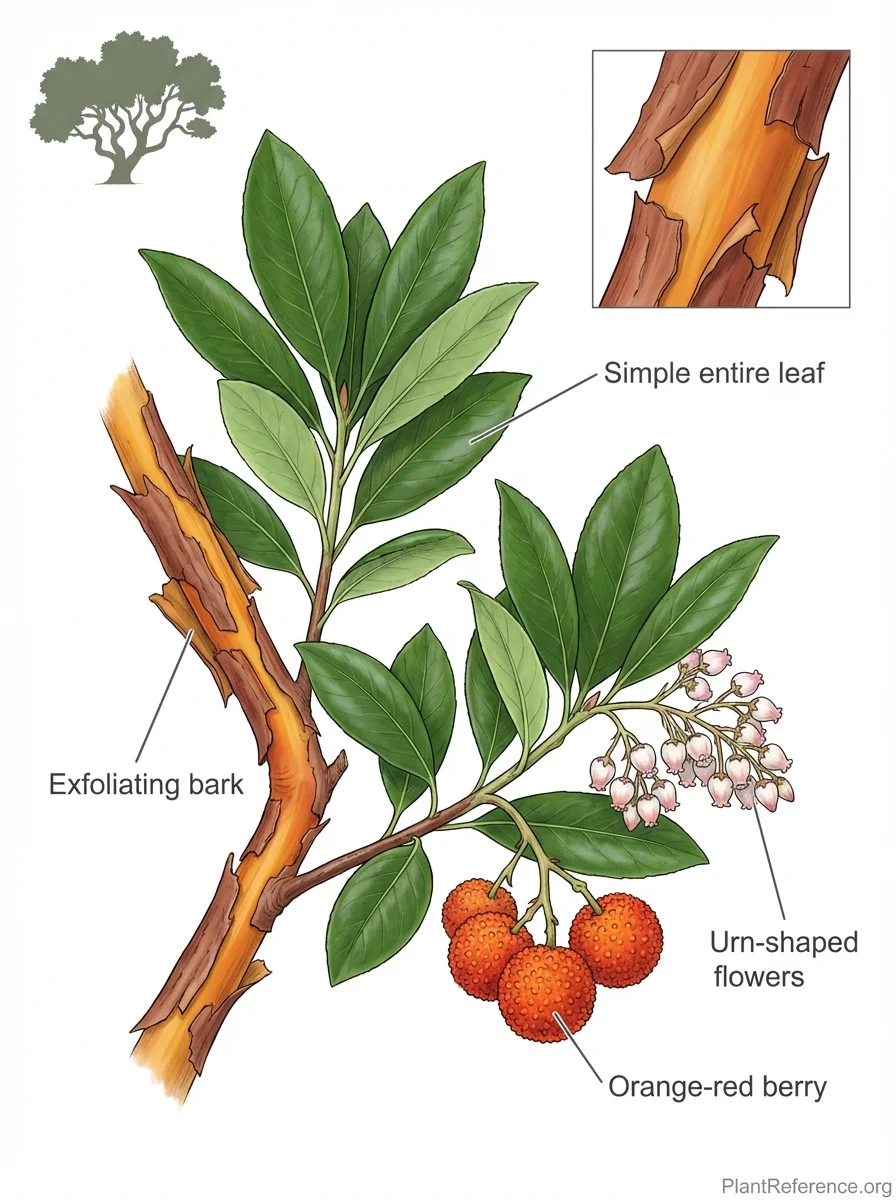
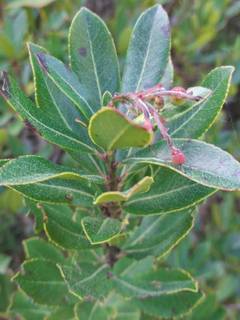
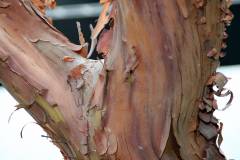
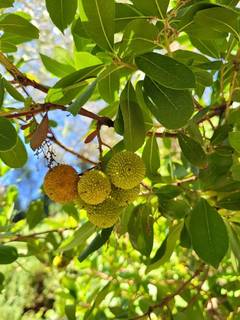
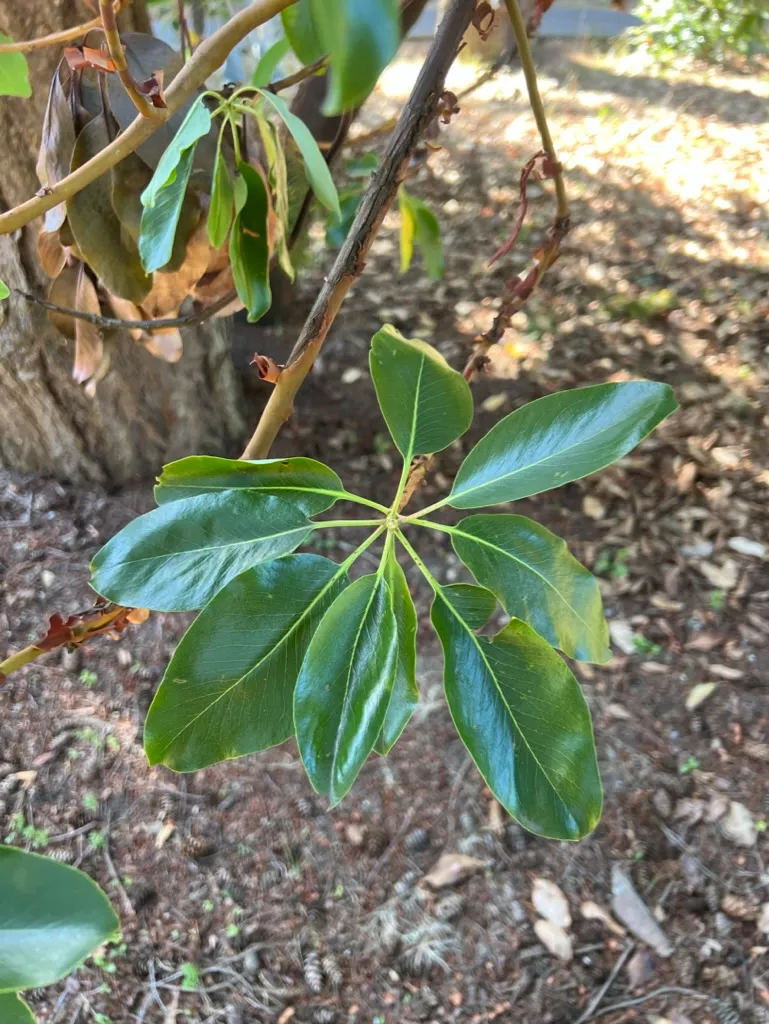
Arbutus menziesii is the Pacific madrone (madrona), an evergreen broadleaf tree growing 240–960 inches (600–2,400 cm) tall and 240–540 inches (600–1,350 cm) wide — the largest native broadleaf evergreen tree on the Pacific Coast. Smooth cinnamon-red bark peels in thin papery sheets to reveal chartreuse to green new bark beneath — the bark color transition is the primary year-round feature. Dark green glossy leathery oval leaves 3–5 inches (7–13 cm). White to cream urn-shaped flowers 0.25 inch (6 mm) in large pendant panicles 3–6 inches (7–15 cm) in mid to late spring. Orange-red berry-like fruit 0.3–0.5 inch (8–12 mm) in clusters in fall — consumed by band-tailed pigeons, robins, and cedar waxwings. In the heath family (Ericaceae) — related to Rhododendron, Vaccinium (blueberry), and Arbutus unedo (strawberry tree). Intolerant of transplanting: the extensive mycorrhizal root associations are disrupted by nursery propagation, and transplant mortality is high. Established trees are adapted to the dry-summer Mediterranean climate of the Pacific Coast — summer irrigation around established trees causes root rot (Phytophthora) and is a primary cause of decline in urban landscapes. Native to the Pacific Coast from British Columbia south through Washington, Oregon, to California. Full sun. Well-drained soil (rocky, sandy slopes). Non-toxic — berries edible (bland). Deer-resistant. Zones 7–9. Growth rate is moderate.
Native Range
Native to the Pacific Coast from British Columbia south through Washington, Oregon, and California, growing on rocky slopes, bluffs, and dry forest edges from sea level to 5,000 feet (1,500 m).Suggested Uses
Retained as a native specimen in Pacific Coast landscapes in zones 7–9. Do not irrigate in summer. Do not transplant. Protect root zone from compaction and grade changes. The peeling cinnamon-red bark is the year-round feature. Non-toxic. Deer-resistant. Native.How to Identify
Appearance
Size & Dimensions
Height20' - 80'
Width/Spread20' - 45'
Bloom Information
Mid to late spring (April–May), lasting 2–3 weeks. White urn-shaped flowers in pendant panicles. Orange-red berry clusters in fall (consumed by birds). The peeling bark — not the flowers — is the year-round feature.
Detailed Descriptions
Flower Description
White to cream, urn-shaped, in large pendant panicles 3-6 inches (7-15 cm)Foliage Description
Dark green, glossy, leathery, oval, 3-5 inches (7-13 cm); pale undersidesGrowing Conditions
Sun Requirements
Requires 6-10 hours of direct sunlight daily
• Full Sun: 6+ hours of direct sunlight
• Partial Shade: 3-6 hours of direct sunlight
• Full Shade: Less than 3 hours of direct sunlight
Care & Maintenance
Care Guide
Full sun. Well-drained soil (rocky, sandy). Do not irrigate established trees in summer — summer watering causes Phytophthora root rot. Intolerant of transplanting (mycorrhizal dependency). Do not compact or grade soil within the root zone. Non-toxic. Deer-resistant. Native. Zones 7–9.Pruning
Minimal pruning. Remove dead branches. Do not prune live branches unnecessarily — the tree compartmentalizes wounds poorly. The natural branching structure develops without intervention.Toxicity
Non-toxicBotanical Flashcard