Aptenia, Genus, spp., Multiple species,
- Genus
- Multiple species
heartleaf ice plant
Overview
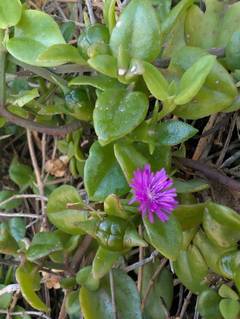
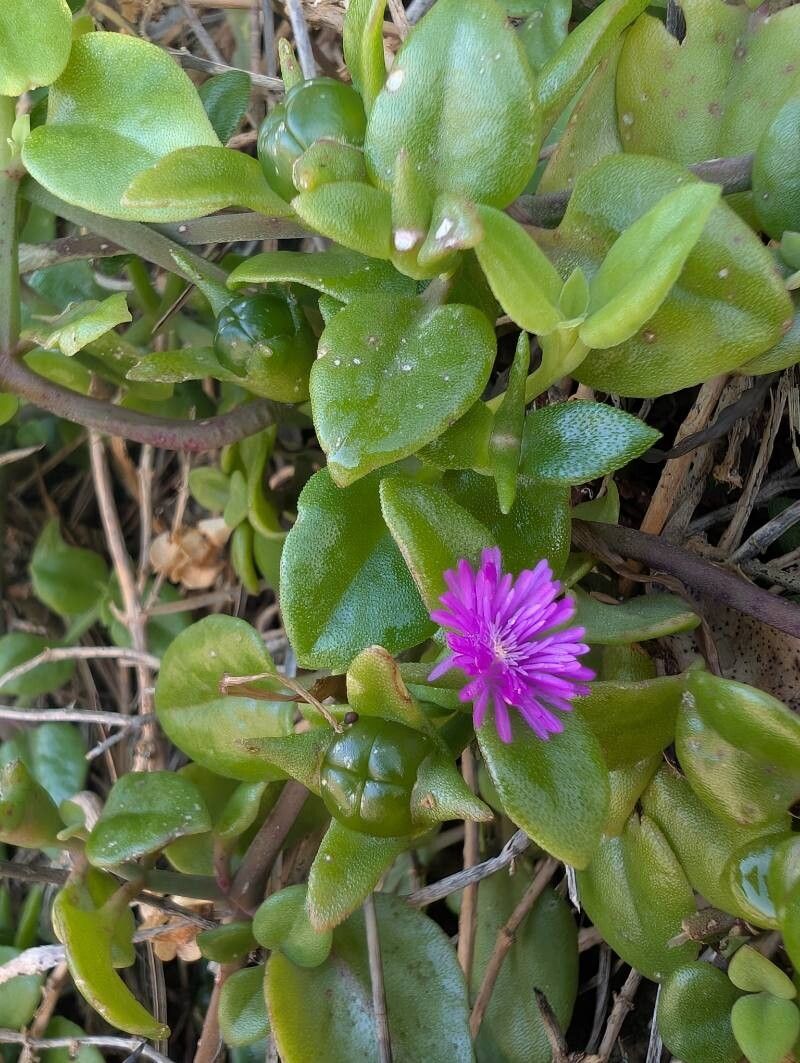
Aptenia is a small genus of trailing succulents in the ice-plant family Aizoaceae, native to southern Africa and sometimes merged into the genus Mesembryanthemum. Plants form low, spreading mats of fleshy, four-angled stems that root as they run, reaching 2-4 inches (5-10 cm) tall and spreading 24 inches (60 cm) or more across. The leaves are bright green, heart-shaped to oval, 0.5-1.5 inches (1.5-4 cm) long, thick and soft, with a surface of glistening bladder cells that catch the light. Small daisy-like flowers about 0.5-0.75 inch (12-18 mm) wide open on sunny days from spring through autumn, with many slender petals in purple, magenta, pink, or red around a central tuft of stamens. The flowers close in dull weather and at night. A. cordifolia, the heartleaf ice plant or baby sun rose, is the species grown as a fast groundcover and trailing container plant in warm, dry regions, where it has naturalized and can crowd out other low plants. The genus grows in coastal scrub, rocky ground, and disturbed sites, tolerating heat, salt, and drought but failing in cold, wet, or shaded conditions. Stems break and root easily, which lets plants spread quickly and recover from damage.
Native Range
Native to southern Africa, mainly South Africa, in coastal scrub, rocky slopes, and dry disturbed ground. Plants grow in open, sunny sites with sharp drainage.Suggested Uses
Aptenia is grown as a fast groundcover on sunny banks, in rock gardens, and along walls, and as a trailing plant in containers and hanging baskets. The flowers draw bees and other insects in warm weather. Its drought and salt tolerance suit it to coastal and dry-climate plantings and to green roofs in mild regions.How to Identify
Appearance
Size & Dimensions
Height2" - 4"
Width/Spread2' - 3'
Bloom Information
Flowering runs from spring through autumn in warm, sunny conditions, with scattered bloom possible year-round in frost-free climates. Individual flowers open and close with the sun over several days. A long, intermittent display follows as new flowers form along the spreading stems.
Detailed Descriptions
Flower Description
purple, magenta, pink, or redFoliage Description
bright greenGrowing Conditions
Sun Requirements
Requires 6-12 hours of direct sunlight daily
• Full Sun: 6+ hours of direct sunlight
• Partial Shade: 3-6 hours of direct sunlight
• Full Shade: Less than 3 hours of direct sunlight
Care & Maintenance
Care Guide
Plants need full sun and sharply drained, sandy or gravelly soil, tolerating poor, dry, and salty ground with a pH near 6.0 to 7.5. The genus stores water in its leaves and stems and withstands extended drought, but it rots in heavy, wet, or poorly drained soil. It is hardy only in warm regions, roughly USDA zones 9 to 11, and is killed by hard frost, though it regrows quickly from surviving stems. Propagation is very easy from stem cuttings, which root within days, or from seed. Light watering in extreme heat keeps the foliage plump, while overwatering and shade cause weak, leggy growth. In mild climates the plants spread fast and may need containing where they crowd other plantings.Pruning
Stems are trimmed back at any time to control spread and keep the mat dense, and the cuttings root readily if replanted. Frost-damaged or leggy growth is cut away in spring to encourage fresh shoots. Shearing after the main flush tidies the planting and renews flowering.Container Growing
Suitable for container growing
Minimum container size: 1 gallons