Apopellia, Genus, spp., Multiple species,
- Genus
- Multiple species
endive liverwort
Northern Hemisphere (Europe, Asia, North America)
SunFull Shade – Part Shade
WaterHigh
Overview
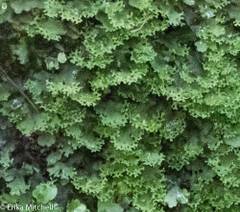
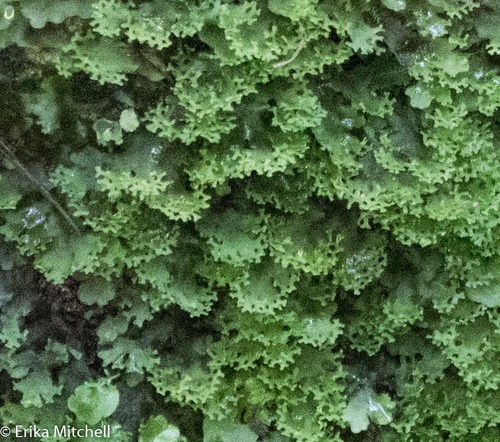
Apopellia is a genus of thalloid liverworts in the family Pelliaceae, segregated from Pellia and found across the Northern Hemisphere. Rather than stems and leaves, the plant body is a flat, ribbon-like thallus 0.2-0.5 inch (5-12 mm) wide that branches and forks as it creeps over the surface, forming dark green, slightly glossy mats. The thallus is one to several cells thick with a thickened midrib and is anchored to the ground by thread-like rhizoids rather than true roots. Like all liverworts, the genus has no flowers, seeds, or woody tissue, reproducing instead by spores released from capsules on short, pale stalks, and vegetatively as older parts of the thallus die back and separate the branches into independent plants. Apopellia endiviifolia often produces tubular green sheaths at its branch tips in autumn, a feature that helps identify it. Plants grow on damp, shaded ground, on stream banks, ditch sides, dripping rock, and moist soil, frequently where the substrate is base-rich or calcareous. The genus needs constant moisture and high humidity and cannot tolerate prolonged drying, so it is confined to consistently wet, sheltered sites.
Native Range
Found across temperate and boreal regions of the Northern Hemisphere, including Europe, Asia, and North America. Plants grow on damp, shaded ground, stream banks, ditch sides, and wet rock, often where the soil is base-rich or calcareous.Suggested Uses
Apopellia is grown or encouraged in terrariums, bog gardens, and shaded, permanently moist features for its dark green, ribbon-like mats. In natural settings it helps stabilize damp soil and rock surfaces along streams and seeps. The genus is also used as an indicator of clean, base-rich wet habitats in ecological surveys.How to Identify
Appearance
Size & Dimensions
Width/Spread1" - 1'
Colors
Foliage Colors
Bloom Information
As a liverwort, the genus produces no flowers. Spore capsules form on short, translucent stalks, mainly in spring, and split to release spores. Tubular sheaths at the branch tips in autumn mark a phase of growth and vegetative spread.
Detailed Descriptions
Foliage Description
dark greenGrowing Conditions
Sun Requirements
Tolerates up to 3 hours of direct sunlight daily
• Full Sun: 6+ hours of direct sunlight
• Partial Shade: 3-6 hours of direct sunlight
• Full Shade: Less than 3 hours of direct sunlight
Water & Climate
Water Needs
Care & Maintenance
Care Guide
These liverworts need constant moisture, high humidity, and shade, growing on damp soil, rock, or stream banks where they are never allowed to dry out. They favor cool conditions and base-rich or calcareous substrates, at a pH near 6.5 to 8.0, though they tolerate a range of wet surfaces. The genus is not grown as a conventional garden plant but appears on its own in suitable damp, shaded spots and in terrarium or bog settings kept permanently moist. It spreads as the thallus branches and fragments, with no feeding or pruning required. Drying out, direct sun, and disturbance are the main causes of decline. Cool, shaded, continuously wet ground keeps colonies healthy.Pruning
No pruning applies to this liverwort. Loose or decaying portions of the thallus break away on their own and can start new growth where they settle. Keeping the surface continuously moist matters more than any trimming.Container Growing
Suitable for container growing
Minimum container size: 1 gallons