Aponogeton, Genus, spp., Multiple species,
- Genus
- Multiple species
Cape pondweed
Africa, Madagascar, Asia, and Australia
SunFull Sun – Part Shade
WaterHigh
Overview
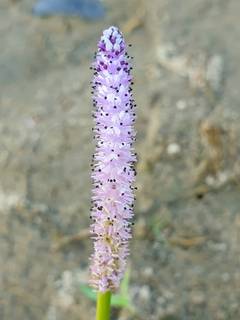
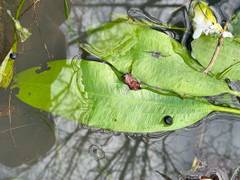
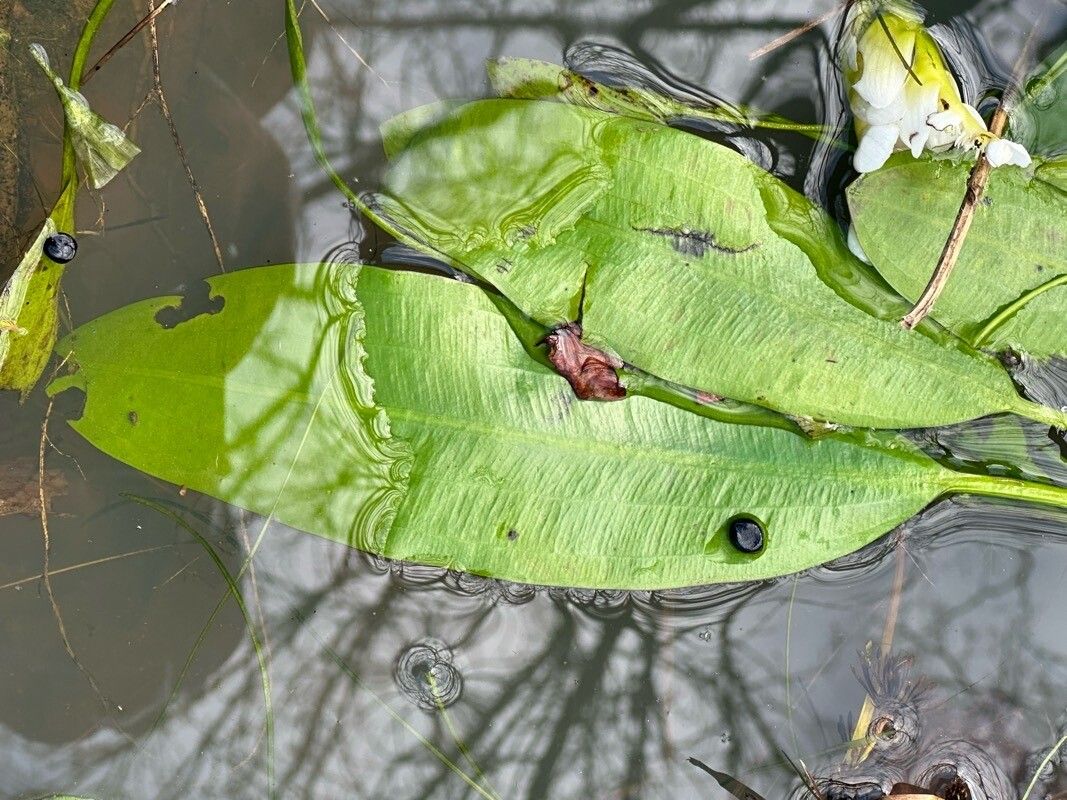
Aponogeton is a genus of aquatic perennials in the family Aponogetonaceae, with about 50 species native to fresh waters of Africa, Madagascar, southern Asia, and Australia. Plants grow from a tuber or rhizome rooted in the bottom mud, sending up long-stalked leaves that float on the surface or stay submerged. Leaf shape ranges from oval floating blades to the narrow, strap-like submerged leaves of some species and the skeletal, lattice-like leaves of the Madagascar lace plant, A. madagascariensis. The flowers are held above the water on a spike that often forks into two or more arms, carrying many small white, yellow, pink, or purple blooms, and in A. distachyos, the Cape pondweed or water hawthorn, they are strongly vanilla-scented. Many species follow a wet-and-dry cycle, growing actively when submerged and resting as a dormant tuber when their pools dry out. The genus occupies ponds, slow streams, ditches, and seasonal pools, rooted in water from a few inches to several feet deep. Several species are grown as ornamental pond and aquarium plants, and the tubers and flower spikes of A. distachyos are eaten as vegetables in its native South Africa. Plants spread by tuber growth and by seed that germinates in shallow water.
Native Range
Native to fresh waters of Africa, Madagascar, southern and Southeast Asia, and Australia. Plants grow in ponds, slow streams, ditches, and seasonal pools, rooted in the bottom mud.Suggested Uses
Aponogeton is grown in garden ponds, water features, and aquariums for its floating foliage, lattice leaves, or scented flower spikes. A. distachyos is also grown as an edible aquatic, its spikes and tubers used as vegetables. In natural ponds the genus gives cover and food for fish, insects, and waterfowl.How to Identify
Appearance
Size & Dimensions
Height4" - 2'
Width/Spread1' - 3'
Bloom Information
Flowering time varies with climate and water level, often spanning the cooler months in mild regions and the wet growing season in seasonal pools. The forked spikes carry their small flowers above the surface for several weeks. Seed ripens in the water and sinks or floats to germinate along shallow margins.
Detailed Descriptions
Flower Description
white to purpleFoliage Description
greenGrowing Conditions
Sun Requirements
Requires 4-10 hours of direct sunlight daily
• Full Sun: 6+ hours of direct sunlight
• Partial Shade: 3-6 hours of direct sunlight
• Full Shade: Less than 3 hours of direct sunlight
Water & Climate
Water Needs
Care & Maintenance
Care Guide
Plants grow rooted in fertile mud or aquatic compost in still or slow-moving fresh water, in full sun to part shade, at a pH near 6.0 to 7.5. Water depth from a few inches to about 2 feet (5-60 cm) suits most species, with the leaves floating or submerged according to type. Many species need a dry or cool dormant period, during which the tuber rests in damp soil or cooler water before regrowth. Hardiness varies widely, with tropical species needing frost-free water and A. distachyos tolerating light surface ice over a deep enough pool. Propagation is by tuber division, by separating offsets, or from fresh seed sown in shallow water. Algae competition, water temperature, and dormancy timing are the main factors in keeping plants healthy.Pruning
Yellowing or tattered leaves are removed at the base to keep the water clear and cut down on decay. Spent flower spikes are cut after seed is shed unless seed is wanted. During dormancy the resting tubers are left undisturbed in damp soil or cool water.Container Growing
Suitable for container growing
Minimum container size: 5 gallons