Image 1 of 19
1 / 19
Plant Reference
Anemonoides, Genus, nemorosa, Species,
- Genus & species
wood anemone
Overview
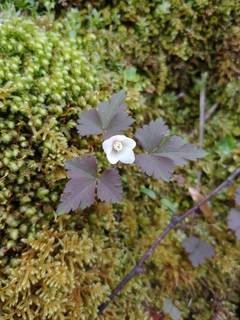
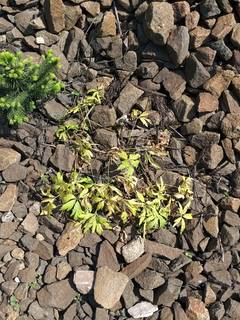
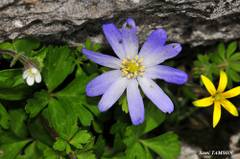
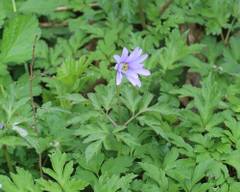
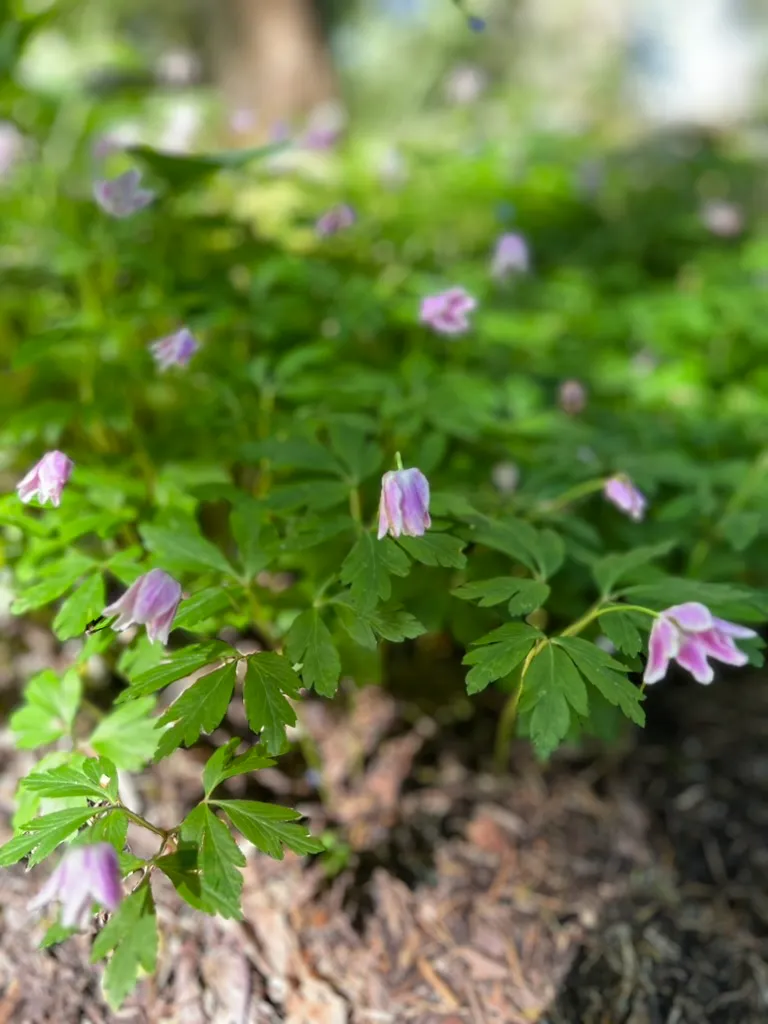
Anemonoides nemorosa, the wood anemone, is a low, spreading herbaceous perennial of the buttercup family, reaching 2-6 inches (5-15 cm) tall. It is a spring ephemeral, emerging from slender, brittle, creeping rhizomes to form drifts of deeply divided leaves, each with three lobed and toothed segments on a slim stalk. In early spring each stem carries a single flower 0.8-1.6 inches (2-4 cm) across, with six to eight petal-like sepals that are white, often flushed pink or mauve on the reverse, around a center of yellow stamens. Flowers open in sun and close in dull weather and at night. After flowering and seed set the foliage withers by early summer, and the plant spends the rest of the year dormant as a rhizome. It spreads slowly into broad colonies, often a few inches a year, and is long-lived once settled. All parts contain protoanemonin and are toxic if eaten, with sap that can irritate skin. Plants depend on the moist, leafy soil and spring light of deciduous woodland to persist.
Native Range
Native to Europe, from Britain and Scandinavia south to the Mediterranean and east into western Asia. It grows in deciduous woodland, hedge banks, and shaded meadows, often as a sign of long-established woodland. It is widely grown in gardens in North America but is not native there.Suggested Uses
Used for naturalizing under deciduous trees and shrubs, in woodland gardens, and along shaded paths where it forms spring carpets. It combines with other woodland plants such as Galanthus and Primula vulgaris that share its dormancy pattern. Its early dormancy suits areas later covered by ferns or hostas.How to Identify
Appearance
Size & Dimensions
Height2" - 6"
Width/Spread6" - 1'
Bloom Information
Blooms in early to mid spring, usually March to May, before the woodland canopy closes. Each flower lasts one to two weeks, and a colony flowers over three to four weeks. The blooms are pollinated by early flies and bees and produce little nectar, relying mainly on pollen.
Detailed Descriptions
Flower Description
white, pink-backedFoliage Description
greenGrowing Conditions
Sun Requirements
Requires 2-6 hours of direct sunlight daily
• Full Sun: 6+ hours of direct sunlight
• Partial Shade: 3-6 hours of direct sunlight
• Full Shade: Less than 3 hours of direct sunlight