Anemonoides, Genus, spp., Multiple species,
- Genus
- Multiple species
wood anemones
Temperate woodland of Europe, Asia, and North America
Overview
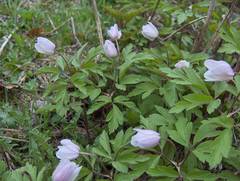
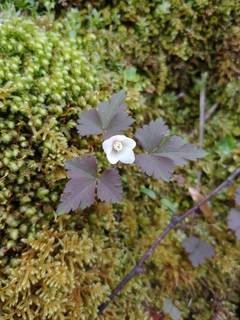
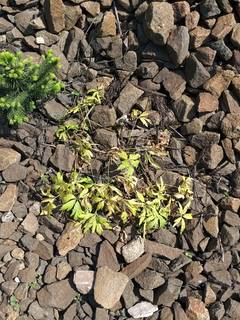
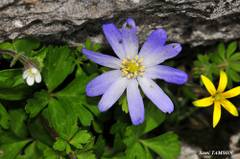
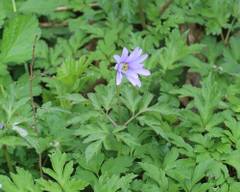
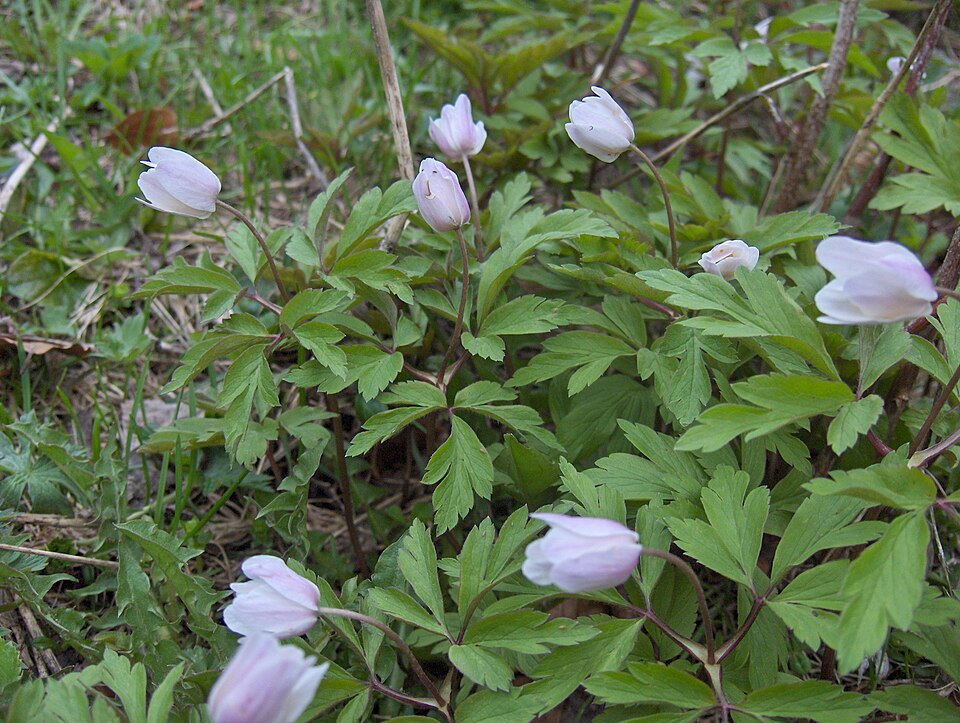
Anemonoides is a genus of low, spring-flowering woodland perennials in the buttercup family, Ranunculaceae, native to deciduous forests across Europe, temperate Asia, and North America. Often treated in the past as part of Anemone, these plants grow from slender, branching rhizomes that creep just below the surface to form spreading carpets. Each stem rises 4-12 in (10-30 cm) and carries a whorl of deeply divided, fern-like leaves below one or a few flowers. The cup- to star-shaped flowers, 0.6-1.6 in (1.5-4 cm) across, have no true petals but showy petal-like sepals in white, pink, blue, lilac, or pale yellow, opening in sun and closing at night and in dull weather. The wood anemone A. nemorosa, the yellow A. ranunculoides, and the blue A. blanda are widely grown. Flowering comes early, in late winter and spring, before the tree canopy closes, after which the plants set seed and die back to dormant rhizomes by early summer. All parts contain protoanemonin and are toxic and irritant if eaten or handled. Plants need cool, moist, humus-rich shade and naturalise into broad drifts.
Native Range
The genus is native to temperate woodland of Europe, Asia, and North America, where the species carpet deciduous forest floors in early spring. The wood anemone A. nemorosa is widespread across Europe, while A. quinquefolia fills a similar role in eastern North America.Suggested Uses
Woodland anemones are grown as spring ground cover and naturalising drifts under deciduous trees and shrubs, in shade borders, and through grass that is left uncut until they die back. They combine with early bulbs, hellebores, and ferns. The low spreading habit suits naturalistic shade plantings.How to Identify
Appearance
Size & Dimensions
Height4" - 1'
Width/Spread8" - 1'6"
Bloom Information
Flowering is early and brief, from late winter into mid spring, generally February to April, timed to the window before the tree canopy leafs out. Each flower opens flat in sunshine and closes at night and in cloud, lasting a few weeks across a colony. Seed sets quickly, and the foliage yellows and disappears by early summer.
Detailed Descriptions
Flower Description
white, pink, blue, lilac, pale yellowFoliage Description
greenGrowing Conditions
Sun Requirements
Requires 2-6 hours of direct sunlight daily
• Full Sun: 6+ hours of direct sunlight
• Partial Shade: 3-6 hours of direct sunlight
• Full Shade: Less than 3 hours of direct sunlight
Care & Maintenance
Care Guide
Anemonoides grows in part to full shade in cool, moist, humus-rich, freely draining woodland soil at pH around 5.5-7.0. Spring moisture is needed during growth, while summer dryness is tolerated once the plants go dormant. Set rhizomes shallowly in autumn and leave them undisturbed to spread into drifts over several seasons. All parts are toxic and irritant, containing protoanemonin that can blister skin and harm people and pets if eaten. Few pests or diseases trouble the genus. A mulch of leaf litter conserves moisture and mimics the forest floor.Pruning
No pruning is needed. The foliage is left to yellow and die back naturally after flowering, feeding the rhizomes for the following year. Spent growth can be cleared once it has withered.Container Growing
Suitable for container growing
Minimum container size: 1 gallons