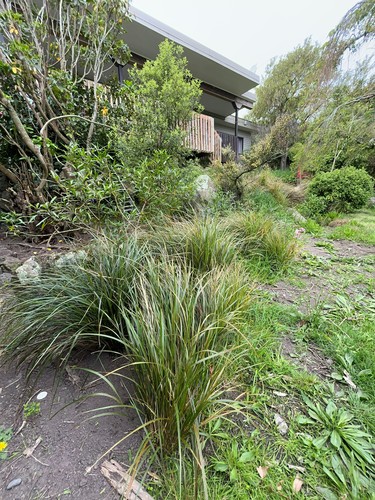
Anemanthele, Genus, lessoniana, Species,
- Genus & species
New Zealand wind grass
New Zealand (North and South Islands)
Overview
Anemanthele lessoniana is an evergreen ornamental grass reaching 18–24 inches (45–60 cm) tall and 18–24 inches (45–60 cm) wide, forming a dense, arching mound. Foliage is narrow, 2–3 mm wide, green in spring and summer, shifting to copper, orange, and bronze tones in fall and winter as temperatures cool; the multi-toned autumn coloration corresponds to the common name 'pheasant's tail grass'. Airy open flower panicles rise on arching stems above the foliage from late summer through fall, pale green ripening to bronze. Anemanthele is monotypic — this is the only species in the genus. Plants were formerly classified as Stipa arundinacea. The narrow foliage responds to light air movement. Self-seeding is prolific in mild climates with moist soil; the species is considered weedy along parts of the Pacific coast from northern California through Oregon and Washington. Stems and crowns are damaged below 15°F (−9°C) and plants may not recover after single nights below 10°F (−12°C). Growth rate is moderate to fast, with plants reaching mature size in 2 years from a one-gallon container.
Native Range
Native to New Zealand (North and South Islands), occurring on forest margins, open slopes, and road cuts at low to middle elevations.Suggested Uses
Planted in mixed borders, containers, and mass plantings at 18–24 inch (45–60 cm) spacing in zones 7–10. Copper-orange-bronze winter foliage color extends seasonal interest past the growing season. Grows in containers of at least 5 gallons (19 L). Not suited to zone 6 and colder regions, sites where self-seeding would colonize adjacent plantings, or deep shade.How to Identify
Appearance
Size & Dimensions
Height1'6" - 2'
Width/Spread1'6" - 2'
Colors
Bloom Information
Detailed Descriptions
Flower Description
pale green ripening to bronze, airy open panicles on arching stemsFoliage Description
green in spring and summer; copper, orange, and bronze tones in fall and winter; narrow arching blades 2–3 mm wideGrowing Conditions
Sun Requirements
Requires 4-10 hours of direct sunlight daily
• Full Sun: 6+ hours of direct sunlight
• Partial Shade: 3-6 hours of direct sunlight
• Full Shade: Less than 3 hours of direct sunlight
Care & Maintenance
Care Guide
Plant in well-drained soil with a pH of 6.0–7.5 in full sun to partial shade. Water weekly during the first growing season. Established plants tolerate drought intervals of 3–4 weeks. Self-seeding is prolific in mild, moist climates; the species is considered weedy along parts of the Pacific coast. Removing developing flower panicles in late summer prevents seed set. Stems and crowns are damaged below 15°F (−9°C); winter survival is unreliable below zone 7. Evergreen — combing out dead foliage in early spring preserves the living clump. Shearing to the ground removes winter interest and slows spring regrowth.Pruning
Comb out dead and browned foliage in early spring (March) using gloved hands or a rake. Do not shear to the ground — this is an evergreen grass and ground-level cutting removes the copper-bronze winter foliage along with growing points. Live panicles and dried foliage can be left through winter for structural interest.Pruning Schedule
Prune: March
early spring
Container Growing
Suitable for container growing
Minimum container size: 5 gallons