Anemanthele, Genus, spp., Multiple species,
- Genus
- Multiple species
New Zealand wind grass
Overview
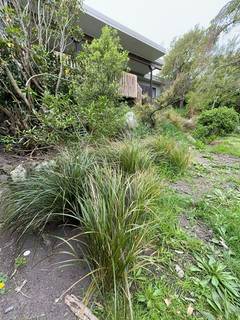
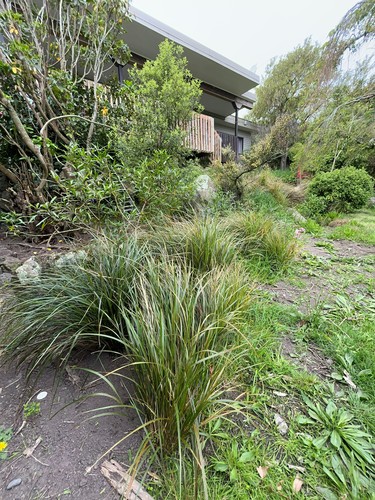
Anemanthele is a genus in the grass family, Poaceae, with a single species, A. lessoniana, endemic to New Zealand and known as wind grass or pheasant tail grass. It forms a dense, arching evergreen tussock 24-39 in (60-100 cm) tall and slightly wider, built from slender, thread-like leaves about 0.1 in (2-3 mm) wide. The leaf blades are green in shade but flush shades of orange, bronze, copper, and red in full sun and through autumn and winter, giving the clump a multicoloured tone. In summer, open panicles 12-24 in (30-60 cm) long rise above the foliage, carrying many tiny purplish to greenish flowers on hair-like branches that catch the light and move in wind. The flower heads ripen to straw colour and shed abundant seed, and the grass self-sows freely in mild gardens, sometimes to the point of becoming weedy. Anemanthele is evergreen in mild climates but can be cut back by hard frost.
Native Range
Anemanthele is endemic to New Zealand, where A. lessoniana grows in lowland and coastal scrub, forest margins, and on cliffs and banks on both the North and South Islands.Suggested Uses
Anemanthele is grown in mixed borders, gravel and prairie-style plantings, containers, and mass plantings on banks, where the weeping evergreen foliage and autumn colour carry interest over a long season. It draws seed-eating birds and shelters small wildlife.How to Identify
Appearance
Size & Dimensions
Height2' - 3'3"
Width/Spread2' - 4'
Bloom Information
The gauzy flower panicles appear in summer (roughly June-August in the Northern Hemisphere, December-February in New Zealand) and persist into autumn as they ripen to straw colour. The tiny purplish-green flowers are wind-pollinated and shed large amounts of viable seed. Cutting the heads before they ripen reduces unwanted self-sowing.
Detailed Descriptions
Foliage Description
green flushing orange, bronze, and redGrowing Conditions
Sun Requirements
• Full Sun: 6+ hours of direct sunlight
• Partial Shade: 3-6 hours of direct sunlight
• Full Shade: Less than 3 hours of direct sunlight
Care & Maintenance
Care Guide
Anemanthele grows in full sun to partial shade in moist but free-draining soil of average fertility, and it develops the deepest leaf colour in an open, sunny spot. Established clumps tolerate short dry spells, wind, and coastal exposure, though prolonged drought scorches the foliage. The grass is evergreen in mild winters but may be cut back by temperatures much below 18 F (-8 C); it usually regrows from the base in spring. Plants are short-lived, lasting a few years, but replace themselves from self-sown seedlings. Plenty of room lets the arching foliage and flower heads develop fully.Pruning
Dead leaf blades are combed or raked out in late winter rather than sheared, since the evergreen clump regrows poorly from a hard cut while in leaf. Where frost has killed the top growth, the whole clump can be cut back to a few inches and will reshoot. Removing flower heads early limits self-seeding.Container Growing
Suitable for container growing
Minimum container size: 3 gallons