Andromeda, Genus, polifolia, Species,
- Genus & species
bog rosemary
Cool-temperate and subarctic peatlands of the Northern Hemisphere
Overview
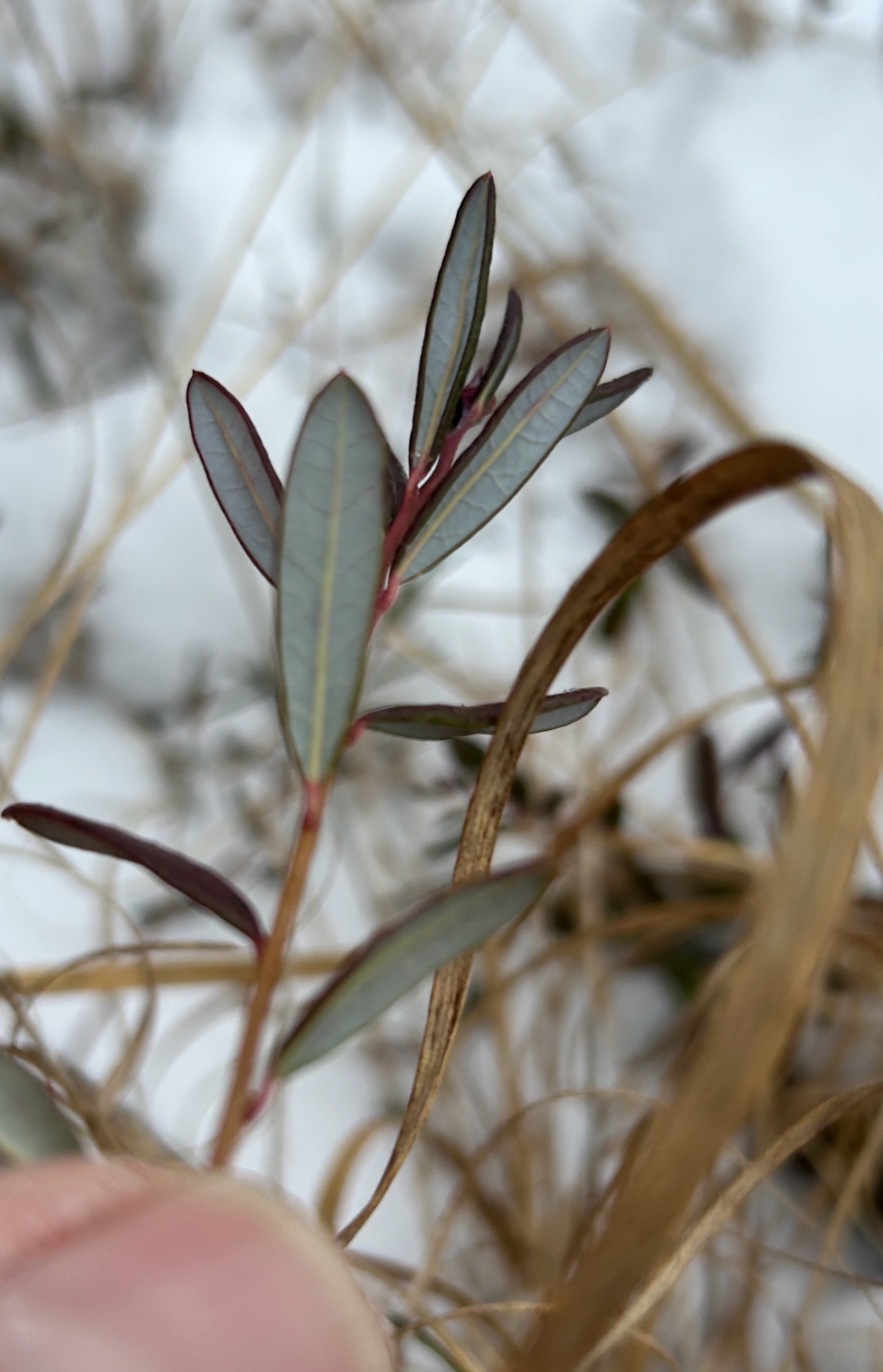
Andromeda polifolia is a low-growing evergreen shrub reaching 12-18 inches (30-45 cm) tall and 18-24 inches (45-60 cm) wide at maturity, forming spreading colonies through underground rhizomes over 5-10 years. Foliage consists of narrow, leathery, lance-shaped leaves 0.75-1.5 inches (2-4 cm) long with revolute (downward-rolled) margins, glossy dark green above and silvery-gray beneath; leaves persist 2-3 years on the plant. Pendulous bell- or urn-shaped flowers appear in terminal clusters of 2-8 in late spring (May-June in zones 4-6); each flower is 0.2-0.3 inch (5-8 mm) long, pale pink to deep pink with shorter pink to red pedicels. Bloom period runs 3-4 weeks per established colony. Compared with Kalmia polifolia (bog laurel), which carries flat saucer-shaped flowers, Andromeda polifolia carries closed urn-shaped flowers and narrower leaves. Plants require consistently acidic, peat-based, wet soils; foliage yellows and growth stalls within 2-3 seasons in alkaline or dry soils. All parts contain andromedotoxin (grayanotoxin), which is toxic to grazing livestock and humans if ingested in quantity.
Native Range
Andromeda polifolia is native to cool-temperate and subarctic peatlands of the Northern Hemisphere, occurring across northern Europe, northern Asia, and North America from Alaska south to Idaho and east to Newfoundland. The species grows in raised peat bogs, sphagnum-dominated fens, lake margins, and tundra at elevations from sea level to 5,500 feet (1,700 m).Suggested Uses
Used in bog gardens, acid-loving plant collections, and peatland restoration plantings at 18-24 inch (45-60 cm) spacing. Planted alongside other ericaceous shrubs such as Vaccinium oxycoccos, Calluna vulgaris, and dwarf Rhododendron species, and with sphagnum mosses. Grows in containers of at least 5 gallons (19 L) filled with peat-based ericaceous mix; container plants require consistent moisture and protection from alkaline irrigation water.How to Identify
Appearance
Size & Dimensions
Height1' - 1'6"
Width/Spread1'6" - 2'
Bloom Information
Mid-May through mid-June in zones 4-6, typically 3-4 weeks of overlapping flowers per established colony. In zones 2-3, flowering shifts to early June through early July. In coastal zone 7-8 sites, bloom may begin in late April. Cool, moist conditions extend the display by 1-2 weeks compared with warm dry springs.
Detailed Descriptions
Flower Description
Pale pink to deep pink, urn-shapedFoliage Description
Glossy dark green above, silvery-gray beneathGrowing Conditions
Sun Requirements
Requires 4-12 hours of direct sunlight daily
• Full Sun: 6+ hours of direct sunlight
• Partial Shade: 3-6 hours of direct sunlight
• Full Shade: Less than 3 hours of direct sunlight
Care & Maintenance
Care Guide
Establish in consistently moist to wet, acidic peat-based soil at pH 4.0-5.5 in full sun to part shade. Water 2-3 times weekly during the first growing season and during dry summer spells; the species cannot tolerate dry soils for more than 7-10 days. Apply a 2-inch (5 cm) layer of acidic mulch (pine needles, oak leaves, or composted bark) annually in early spring; alkaline mulches such as municipal compost are unsuitable for this species. Tea-grade fertilizers formulated for ericaceous plants are applied at half strength in early spring. Botrytis blight may appear in cool, wet, poorly ventilated conditions; affected stems are pruned to healthy tissue. Plants spread slowly by rhizome and rarely require division; when needed, division is done in early spring before new growth emerges.Pruning
No regular pruning is required. Remove dead or damaged stems in early spring before new growth emerges. Plants tolerate light shaping after bloom; heavy pruning into old wood limits regrowth and may take 2-3 seasons to recover.Pruning Schedule
Prune: March–April
early spring
Container Growing
Suitable for container growing
Minimum container size: 5 gallons