Andromeda, Genus, spp., Multiple species,
- Genus
- Multiple species
bog rosemary
Overview
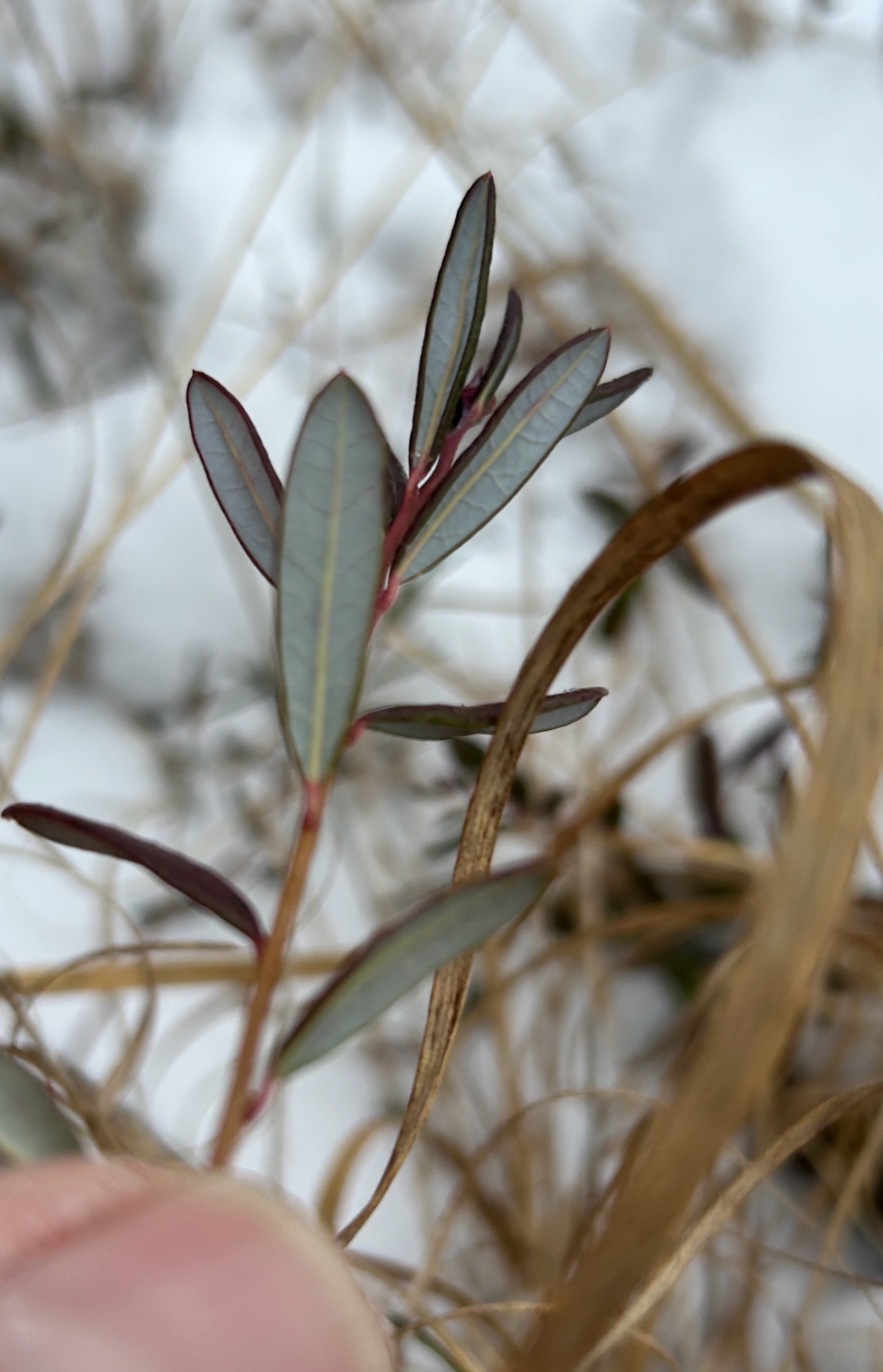
Andromeda is a genus of two species of low evergreen shrubs in the family Ericaceae, native to cold peat bogs and wet heathland across the northern hemisphere. Plants are slender and wiry, spreading by creeping rhizomes to form loose colonies 6-24 in (15-60 cm) tall. The narrow, leathery leaves 0.4-1.6 in (1-4 cm) long have strongly inrolled margins and a whitish, waxy underside, an adaptation to the waterlogged, low-nutrient ground. In late spring small urn-shaped flowers, pink to nearly white and 0.2-0.3 in (5-8 mm) long, hang in nodding terminal clusters on red stalks. These ripen to dry, rounded seed capsules. A. polifolia, bog rosemary, is circumboreal across northern Eurasia and North America, while A. glaucophylla of north-eastern North America has hairier, more blue-grey leaves. All parts contain grayanotoxins that are poisonous if eaten. The genus needs permanently moist, acid, peaty soil and declines quickly in dry or limy ground.
Native Range
Andromeda is native to the cool temperate and subarctic northern hemisphere, in bogs and peatlands across northern Europe, northern Asia, and northern North America. A. polifolia circles the boreal zone, and A. glaucophylla occurs in north-eastern Canada and the north-eastern United States.Suggested Uses
Andromeda is grown in bog gardens, peat beds, rock gardens with acid moisture, and containers of ericaceous compost. The early flowers draw bumblebees and other cold-season pollinators. Its toxicity makes it less suited to gardens used by grazing animals.How to Identify
Appearance
Size & Dimensions
Height6" - 2'
Width/Spread1' - 3'
Colors
Bloom Information
Flowering occurs in late spring to early summer (roughly May-June in the north of the range), with the pink to white urn-shaped flowers held in nodding terminal clusters for two to four weeks. Cool conditions extend the display. Dry brown seed capsules persist into autumn after the flowers fade.
Detailed Descriptions
Flower Description
pink to whiteFoliage Description
blue-greenGrowing Conditions
Sun Requirements
• Full Sun: 6+ hours of direct sunlight
• Partial Shade: 3-6 hours of direct sunlight
• Full Shade: Less than 3 hours of direct sunlight
Care & Maintenance
Care Guide
Across the genus, Andromeda needs constantly moist to wet, strongly acid soil rich in peat, in full sun to light shade. It grows naturally in sphagnum bogs and suits bog gardens, peat beds, and damp acid borders, but fails on alkaline or free-draining soils that dry out. Cool roots and high humidity favour steady growth, and the genus is fully cold-hardy. Plants spread slowly by rhizomes and need little feeding, as they are adapted to low-nutrient ground. Lime, drought, and heat are the main causes of decline.Pruning
Pruning is seldom needed. A light trim after flowering keeps the wiry stems dense, and older straggly shoots can be cut back to encourage low branching. Spent flower clusters may be left to form seed capsules.Container Growing
Suitable for container growing
Minimum container size: 2 gallons
