Amblystegium, Genus, spp., Multiple species,
- Genus
- Multiple species
Cosmopolitan, mainly temperate and boreal regions
Overview
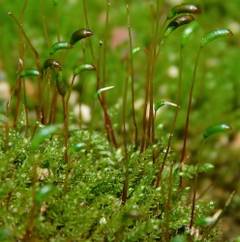
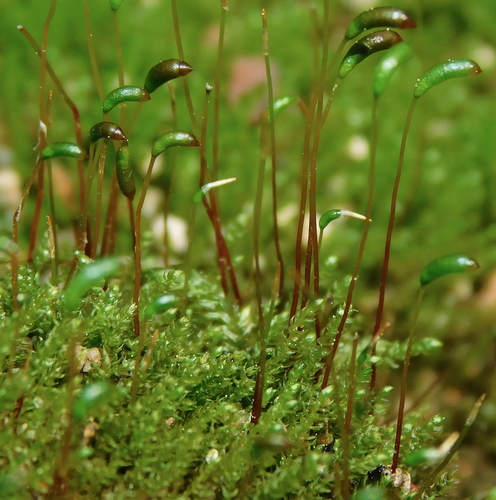
Amblystegium is a genus of small, creeping mosses in the family Amblystegiaceae, found across much of the world, especially in damp, shaded places in the northern hemisphere. The slender, branching stems trail and interweave to form thin green to yellow-green mats or wefts only a few centimetres deep, spreading 5-30 cm (2-12 in) or more across a surface. The tiny leaves, well under 1.5 mm long, are narrowly egg-shaped to lance-shaped and taper to a slender point, each with a single faint midrib. As a non-vascular plant, Amblystegium has no true roots, flowers, or seeds; it anchors by thread-like rhizoids and reproduces by spores released from small capsules raised on slender stalks. The genus grows on moist soil, rotting wood, tree bases, stones, and concrete, often beside streams, ponds, and in damp lawns and walls, tolerating shade and periodic flooding. It dries and shrivels in drought but revives quickly when wetted. The mats spread slowly and persist where humidity stays high; the plants fade in full sun and prolonged dryness.
Native Range
Found across much of the world, especially in temperate and boreal regions of the northern hemisphere, on damp soil, wood, rock, and bark in shaded, humid places.Suggested Uses
Grown in moss gardens, on shaded rocks, walls, and container surfaces, and in terrariums and vivariums where humidity is high. The mats are also used to green damp, shaded ground where turf grasses fail.How to Identify
Appearance
Size & Dimensions
Width/Spread2" - 1'
Bloom Information
Mosses do not flower; Amblystegium reproduces by spores. Small capsules form on slender stalks and ripen mainly in autumn and winter, shedding spores into moist air. Fresh green growth appears whenever warmth and moisture coincide.
Detailed Descriptions
Foliage Description
greenGrowing Conditions
Sun Requirements
Tolerates up to 4 hours of direct sunlight daily
• Full Sun: 6+ hours of direct sunlight
• Partial Shade: 3-6 hours of direct sunlight
• Full Shade: Less than 3 hours of direct sunlight