Alstroemeria, Genus,
- Genus
Peruvian lily, lily of the incas
South America (Chile, Brazil, Peru, Argentina, Bolivia)
Overview
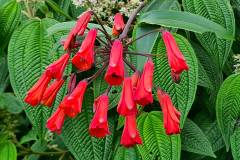
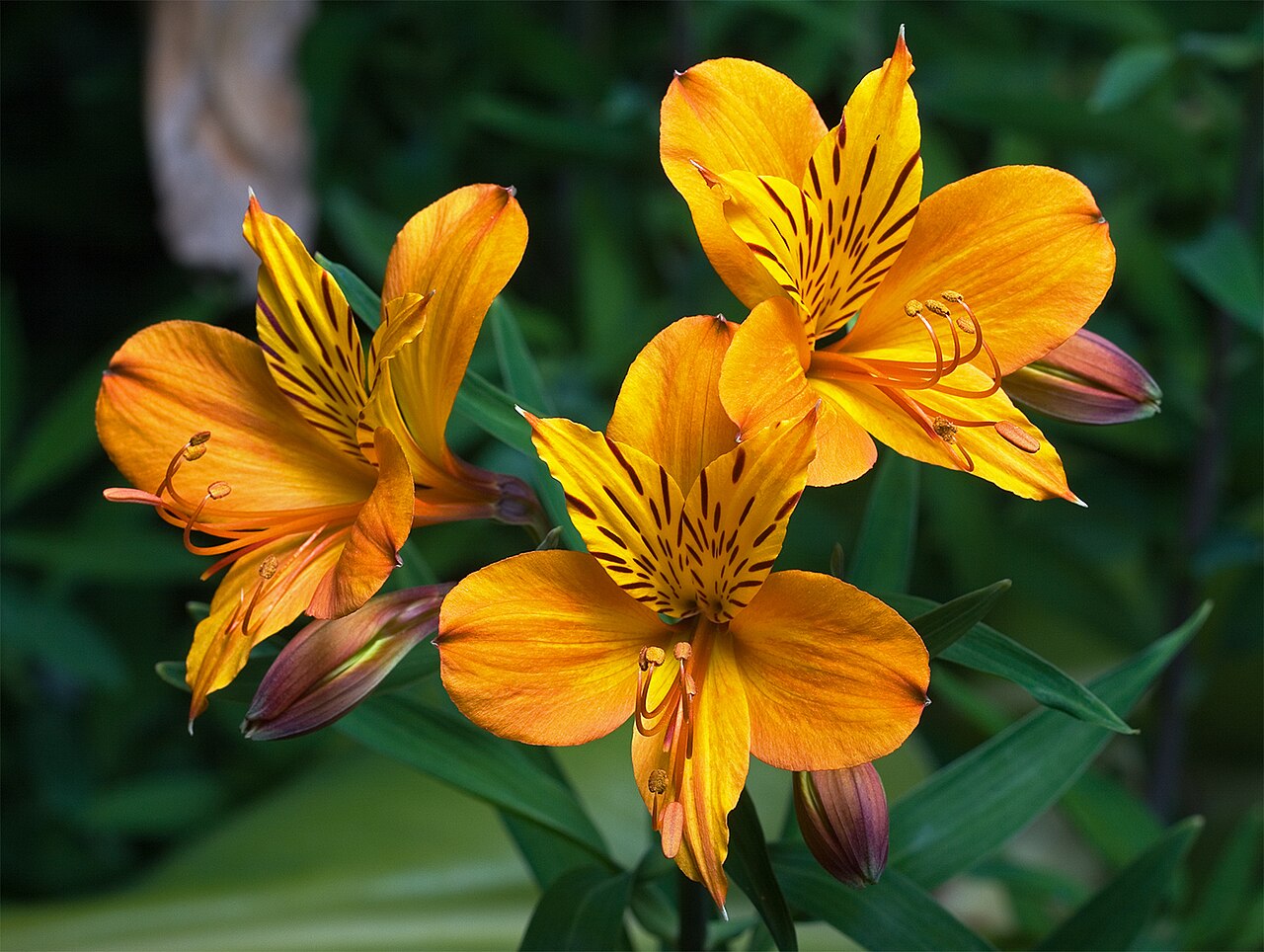
Alstroemeria is a tuberous-rooted perennial genus of approximately 60-120 species, with most garden plants being complex interspecific hybrids. Plants produce upright flowering stems 12-48 inches (30-120 cm) tall depending on cultivar group, clothed in narrow lance-shaped leaves 2-4 inches (5-10 cm) long that are twisted at the petiole so the blade appears inverted (resupinate). Stems terminate in umbel-like clusters of 2-8 lily-like flowers each 1.5-2.5 inches (4-6 cm) across, with three outer tepals and three inner tepals often marked with streaks or spots in contrasting colors. Flower colors span white, yellow, orange, pink, red, lavender, and bicolor combinations across hybrid groups. Most garden hybrids are rhizomatous and hardy in USDA zones 6-9; species hardiness varies with native elevation and latitude. Established plants spread by fleshy rhizomes and form colonies 18-36 inches (45-90 cm) across within 3-5 years. Foliage and rhizomes are toxic if ingested by humans and pets, and plant sap can cause contact dermatitis in sensitive individuals. Rhizome spread can crowd smaller neighbors within 3-5 years, which limits use in tight mixed plantings without root barriers.
Native Range
Alstroemeria is native to South America, with species distributed across Chile, Brazil, Peru, Argentina, and Bolivia. Most species grow in cool, moist mountain habitats at 3,000-10,000 feet (900-3,000 m) elevation; some lowland species occur in coastal Chile. The genus spans a range from semi-arid to humid forest-margin conditions.Suggested Uses
Planted in perennial borders and cutting gardens at 12-18 inch (30-45 cm) spacing. Cut stems last 10-14 days in water, and the hybrids are widely used in commercial cut-flower production. Rhizomatous spread can crowd smaller neighbors within 3-5 years, so siting with adequate space or root barriers applies in mixed plantings. Sites where brittle rhizomes would be disturbed by frequent digging are outside the use range.How to Identify
Appearance
Size & Dimensions
Height1' - 4'
Width/Spread1'6" - 3'
Bloom Information
Most garden hybrids flower June through August in zones 6-9; some cultivar groups extend bloom May through October with regular deadheading or cutting. In zones 9-10 with mild summers, bloom peaks in spring and fall with a summer pause during heat. Individual flower clusters last 1-2 weeks; regular harvest or deadheading produces successive flushes over 8-16 weeks.
Detailed Descriptions
Flower Description
White, yellow, orange, pink, red, lavender, and bicolor combinations, often streaked or spotted; lily-like with three outer and three inner tepals; umbel-like clusters of 2-8; summerFoliage Description
Medium green; narrow lance-shaped 2-4 inches (5-10 cm); twisted at the petiole (resupinate); deciduousGrowing Conditions
Sun Requirements
Requires 4-8 hours of direct sunlight daily
• Full Sun: 6+ hours of direct sunlight
• Partial Shade: 3-6 hours of direct sunlight
• Full Shade: Less than 3 hours of direct sunlight
Care & Maintenance
Care Guide
Grows in full sun to partial shade in well-drained soil at pH 6.0-7.0. Hardy to USDA zone 6. Rhizomes are planted 6-8 inches (15-20 cm) deep, and soil that stays below 70 F (21 C) through summer supports better flowering. Regular watering during the growing season supports bud development; water is reduced after foliage yellows in late summer. The rhizomes are brittle and break easily, and division is done carefully in spring or fall every 3-5 years. Plant sap can cause contact dermatitis in sensitive individuals, and foliage and rhizomes are toxic if ingested.Pruning
Spent flowering stems are pulled rather than cut at the base; pulling triggers new flowering stems from the rhizome, while cutting reduces subsequent bloom. Yellowed foliage is removed as it dies back in late summer. In zones 6-7, foliage is cut to the ground in late fall after frost; in zones 8-10 foliage may remain semi-evergreen and is cut back only when it yellows.Pruning Schedule
Prune: August–October
summerfall
Container Growing
Suitable for container growing
Minimum container size: 5 gallons