Alisma, Genus, spp., Multiple species,
- Genus
- Multiple species
Water-plantains
Temperate Northern Hemisphere and Australia
Overview
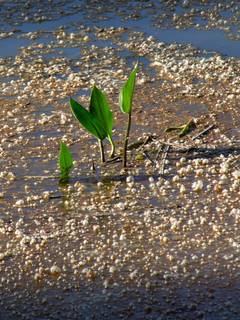
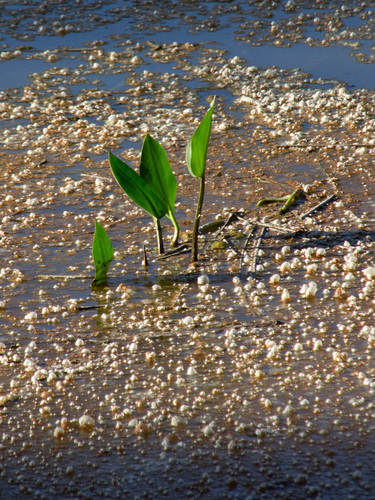
Alisma is a genus of about 11 aquatic and marginal perennials in the family Alismataceae, found in shallow water and wet ground across the temperate Northern Hemisphere and into Australia. Each plant forms a basal rosette of long-stalked, oval to lance-shaped leaves that stand above the water surface, the blades marked with curved parallel veins. From the rosette rise tall, much-branched, airy panicles carrying many tiny three-petaled flowers in white to pale pink that open in the afternoon. Common water-plantain A. plantago-aquatica is the most widespread species. Plants spread by seed and can colonize pond margins and ditches, and the fresh foliage is acrid to the touch. A tendency to self-seed into wet ground and a winter dieback to a resting bud are the main limitations.
Native Range
Native to wetlands across the temperate Northern Hemisphere, including North America, Europe, and Asia, and extending to Australia. Plants grow in pond and lake margins, slow streams, ditches, and marshes.Suggested Uses
Planted at pond and stream margins, in bog gardens, and in wildlife ponds where the seeds feed waterfowl. The airy flower stems add height and a soft veil above lower marginal aquatics.How to Identify
Appearance
Size & Dimensions
Height1' - 3'
Width/Spread1' - 2'
Bloom Information
Tiny three-petaled flowers open in summer, June to August, on tall airy panicles, each bloom lasting a day and opening in the afternoon. The branching flower heads keep producing over many weeks before setting whorls of small dry fruits.
Detailed Descriptions
Flower Description
white to pale pinkFoliage Description
greenGrowing Conditions
Sun Requirements
Requires 6-8 hours of direct sunlight daily
• Full Sun: 6+ hours of direct sunlight
• Partial Shade: 3-6 hours of direct sunlight
• Full Shade: Less than 3 hours of direct sunlight
Care & Maintenance
Care Guide
Alisma grows in full sun to part shade in shallow standing water or permanently wet soil at the edge of ponds, in up to 6 inches (15 cm) of water. Plants are hardy to about USDA zone 3 (-40°F / -40°C), dying back to a corm-like base in winter and regrowing in spring. They self-seed freely in bare mud and need no feeding in a natural pond. Rich water speeds growth and seeding. The fresh leaves are acrid and can irritate skin.Pruning
Spent flower stalks are cut off before the seed ripens to limit self-seeding around the pond. Old foliage is cleared in late autumn or early spring. Crowded clumps can be lifted and divided in spring.Container Growing
Suitable for container growing
Minimum container size: 2 gallons