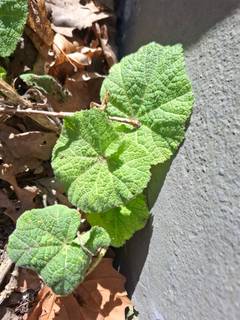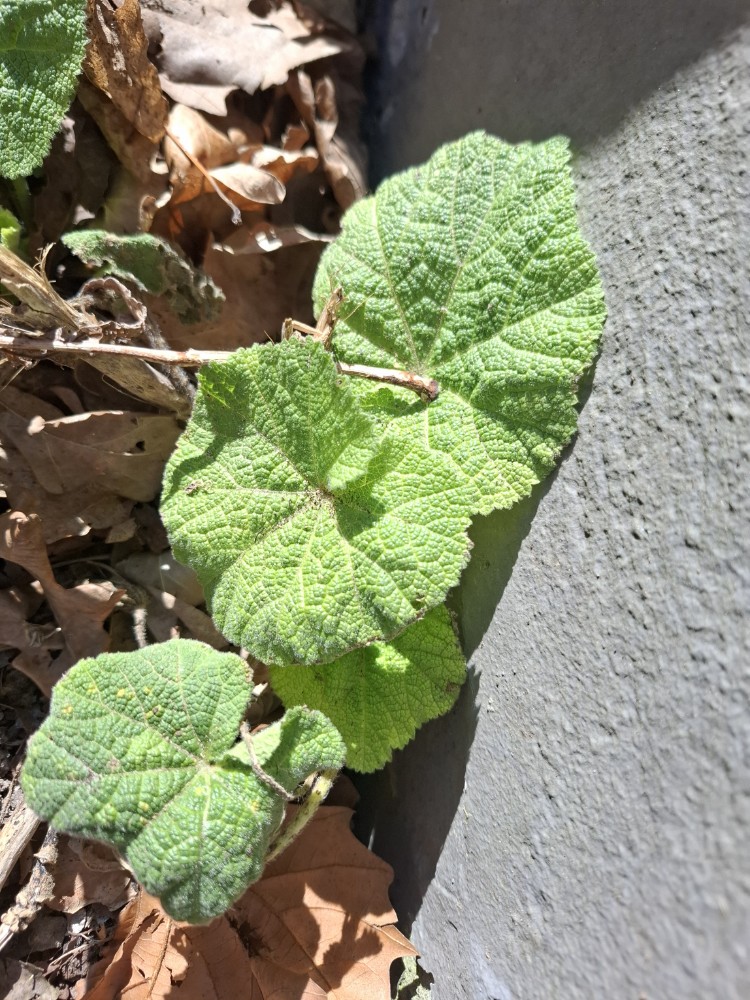
Alcea, Genus, spp., Multiple species,
- Genus
- Multiple species
hollyhocks
Temperate Europe and central and southwestern Asia
Overview
Alcea is a genus of about 60 biennial and short-lived perennial herbs in the mallow family (Malvaceae), the hollyhocks, native to Europe and central and southwestern Asia. Plants form a low rosette of large, rounded, lobed leaves 4-8 in (10-20 cm) wide in the first year, then send up tall, mostly unbranched flower spikes 3-8 ft (0.9-2.4 m) tall. The funnel-shaped, five-petaled flowers are 3-4 in (8-10 cm) across, opening from the base of the spike upward in white, pink, red, purple, yellow, or near-black, in single and double forms. Flat, disk-shaped seed capsules follow, splitting into many segments. A. rosea is the familiar cottage-garden hollyhock, grown for centuries and naturalized in many regions. The genus needs full sun and is prone to hollyhock rust, a fungal disease that spots and browns the leaves in warm, humid weather. Most plants flower in their second year and then decline, persisting in gardens by self-seeding. The tall spikes may need support in exposed sites.
Native Range
Alcea is native to temperate Europe and central and southwestern Asia, with the greatest diversity in the dry hills and steppes of Turkey, the Caucasus, and Central Asia. A. rosea, the garden hollyhock, is of cultivated origin and has naturalized widely beyond its homeland. Plants grow naturally in open, sunny, disturbed and rocky ground.Suggested Uses
Planted at the back of borders, along walls and fences, and in cottage and pollinator gardens, where the tall spikes give vertical height. The open flowers draw bees, butterflies, and hummingbirds. Spaced 18-24 in (45-60 cm) apart in a sunny, sheltered spot.How to Identify
Appearance
Size & Dimensions
Height3' - 8'
Width/Spread1' - 3'
Bloom Information
Alcea flowers in summer, mainly June to August, opening from the bottom of the spike toward the top over four to eight weeks. Each flower lasts a day or two, with many open at once along the stem. Bloom comes in the second year for biennial plants and may repeat in late summer if old spikes are removed.
Detailed Descriptions
Flower Description
White, pink, red, purple, yellow, to near-blackFoliage Description
GreenGrowing Conditions
Sun Requirements
Requires 6-10 hours of direct sunlight daily
• Full Sun: 6+ hours of direct sunlight
• Partial Shade: 3-6 hours of direct sunlight
• Full Shade: Less than 3 hours of direct sunlight
Care & Maintenance
Care Guide
Alcea grows in full sun in deep, fertile, well-drained soil at a soil pH from about 6.0 to 8.0 and flowers most freely with steady moisture. The tall spikes are brittle and often need staking where wind is strong. Most plants behave as biennials or short-lived perennials, flowering in the second year and then fading, so fresh seed is sown to keep a display going. Hollyhock rust is the main problem, disfiguring leaves in warm, humid conditions, and slugs damage young growth. Plants are hardy across USDA zones 3-8.Pruning
Spent flower spikes are cut to the base after bloom, which tidies the plant and can prompt a second flush. Rust-spotted lower leaves are removed and discarded to slow the disease. Seed is collected from the dry capsules or left to self-sow.Container Growing
Suitable for container growing
Minimum container size: 5 gallons