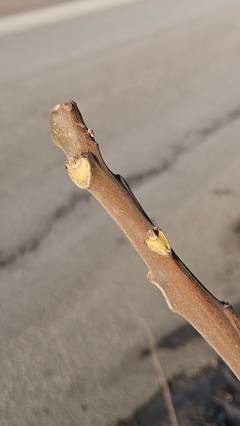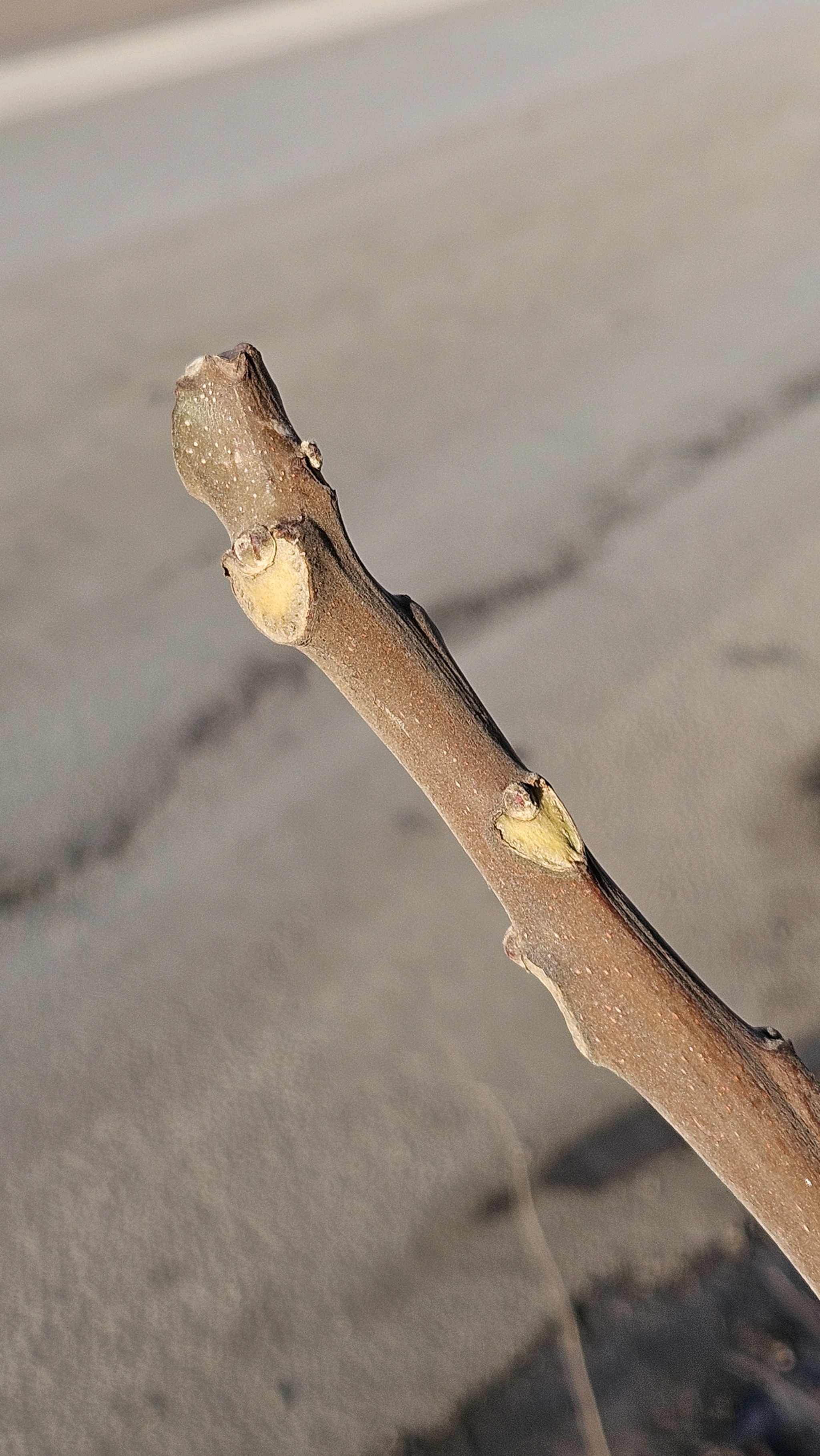
Ailanthus, Genus, spp., Multiple species,
- Genus
- Multiple species
Eastern and southern Asia to northern Australasia
Overview
Ailanthus is a genus of about 10 deciduous trees in the family Simaroubaceae, ranging across eastern and southern Asia into northern Australasia. Mature height spans 15-30 m (50-100 ft), with an open, rounded crown and stout, sparsely branched shoots. The leaves are pinnately compound, 30-90 cm (12-35 in) long, with 10-41 leaflets; each leaflet carries one to several gland-tipped teeth near its base, and crushed foliage releases a heavy odor. Plants are dioecious, with separate male and female trees. Small yellow-green flowers open in large terminal panicles in early summer, and the male flowers carry a strong scent. Female trees produce clusters of twisted, single-seeded samaras 3-5 cm (1.2-2 in) long that turn red-brown as they ripen. Bark is smooth and grey, becoming shallowly fissured with age. Growth is rapid, and several species, including A. altissima, sucker freely from the roots and spread from wind-borne seed; A. altissima is naturalized across Europe and North America. Roots and bark release compounds that suppress nearby seedlings, and the genus tolerates compacted soil, drought, and urban air.
Native Range
Native to eastern and southern Asia, from China and the Himalayas to Southeast Asia, with a few species reaching northern Australia.Suggested Uses
Grown as a quick-shade and street tree on difficult urban sites, including reclaimed and compacted ground. Used for erosion control and rapid screening on disturbed land. Where A. altissima is regulated as invasive, male or sterile selections are planted in its place.How to Identify
Appearance
Size & Dimensions
Height49'2" - 98'5"
Width/Spread26'3" - 49'3"
Bloom Information
Detailed Descriptions
Foliage Description
greenGrowing Conditions
Sun Requirements
Requires 6-12 hours of direct sunlight daily
• Full Sun: 6+ hours of direct sunlight
• Partial Shade: 3-6 hours of direct sunlight
• Full Shade: Less than 3 hours of direct sunlight