Agonis, Genus, spp., Multiple species,
- Genus
- Multiple species
peppermint tree
Overview
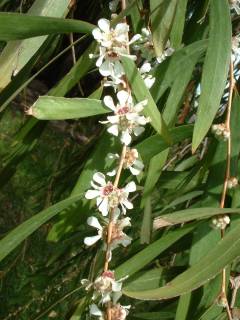
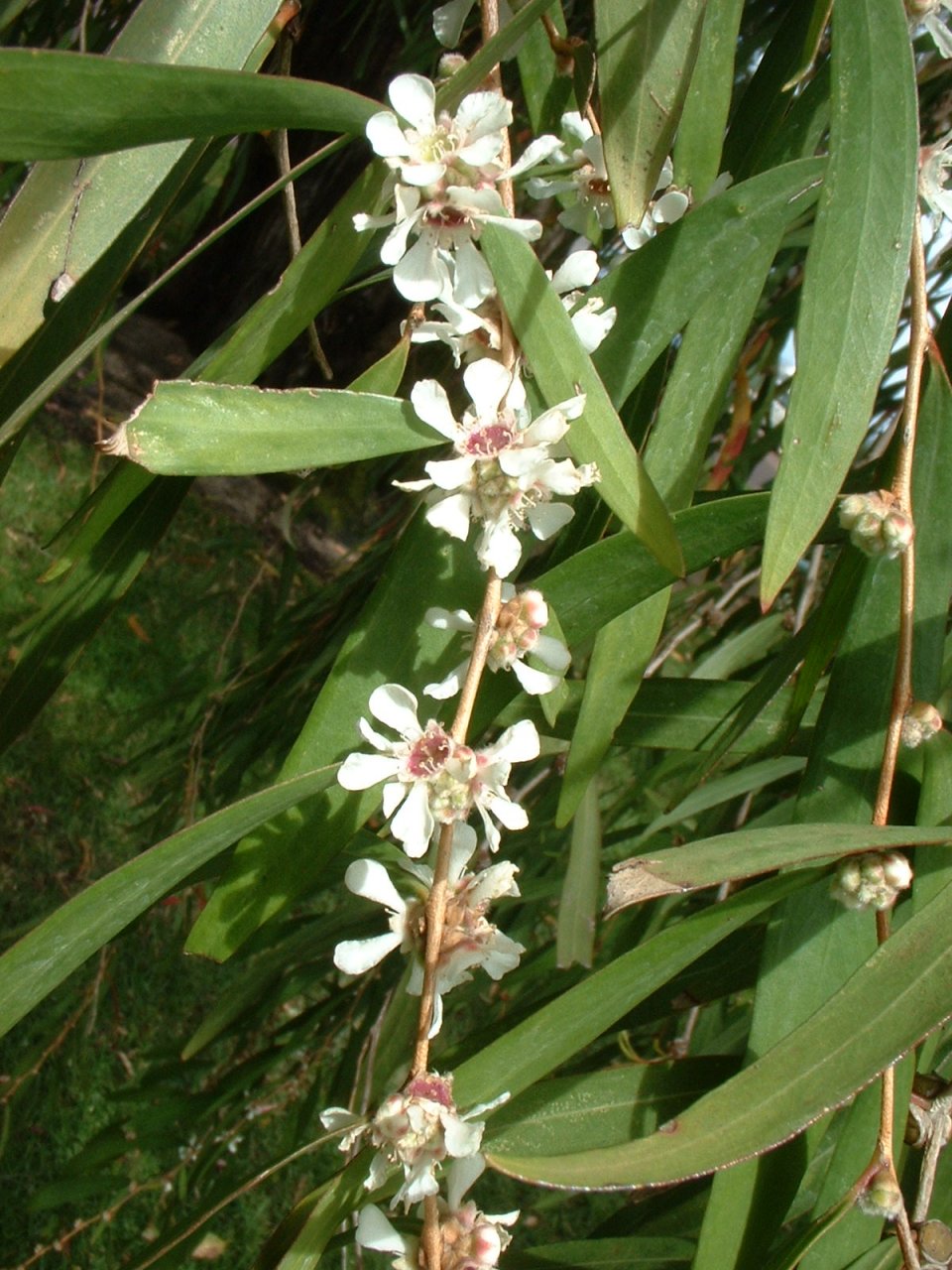
Agonis is a genus of evergreen shrubs and trees in the myrtle family, native to the south-west of Western Australia. The most familiar, A. flexuosa, the peppermint tree or willow myrtle, makes a rounded tree 25-40 feet (8-12 m) tall with arching, weeping branches and a fibrous, furrowed brown bark. The narrow, lance-shaped leaves hang down and release a strong peppermint scent when crushed. Small white flowers, each with five rounded petals and a darker centre, cluster tightly along the stems in late spring and summer, set among the foliage rather than at the branch tips. The genus grows on sandy coastal soils and tolerates wind, salt spray, and drought once established, which makes it common in seaside plantings within its range. It needs full sun and free-draining ground and is damaged by hard frost, suiting only mild, nearly frost-free climates. Cultivated forms include weeping selections and the dark-leaved A. 'After Dark', grown for its deep burgundy foliage. On wet, cold, or poorly drained sites the plant is short-lived and prone to dieback.
Native Range
Agonis is endemic to the south-west of Western Australia, where A. flexuosa grows on coastal dunes, limestone, and sandy plains near the sea. It is most common in the high-rainfall coastal belt from around Perth south and along the southern coast.Suggested Uses
Grown as a specimen and shade tree, a street tree, and a coastal windbreak in mild climates for its weeping habit and aromatic foliage. Dwarf and dark-leaved forms are used in borders, large containers, and foliage plantings. Its salt and wind tolerance suits seaside gardens.How to Identify
Appearance
Size & Dimensions
Height25' - 40'
Width/Spread20' - 30'
Bloom Information
Flowering comes in late spring and summer, roughly October to January in its native Southern Hemisphere range and late spring to summer in Northern Hemisphere cultivation. The small white flowers crowd along the branches among the leaves. Woody capsules follow and persist on the stems.
Detailed Descriptions
Foliage Description
greenGrowing Conditions
Sun Requirements
Requires 6-12 hours of direct sunlight daily
• Full Sun: 6+ hours of direct sunlight
• Partial Shade: 3-6 hours of direct sunlight
• Full Shade: Less than 3 hours of direct sunlight
Care & Maintenance
Care Guide
Grow in full sun in light, sandy, free-draining soil; the genus copes with poor coastal soils and dislikes heavy, wet ground. Water young plants through their first summers, after which established trees tolerate drought and salt wind. The genus suits mild, nearly frost-free climates of roughly USDA zones 9 to 11 and is burned by hard frost, so colder areas grow it in containers under cover. It needs little feeding on reasonable soils. Open drainage and air movement reduce the fungal cankers and dieback that affect plants on damp sites.Pruning
Prune after flowering to shape the canopy and lift the weeping crown, cutting back into leafy growth. The genus tolerates moderate pruning and can be trained to a single trunk or grown as a multi-stemmed shrub. Removing frost-damaged or cankered shoots in spring keeps the plant healthy.Pruning Schedule
summer
Container Growing
Suitable for container growing
Minimum container size: 10 gallons