Image 1 of 13
1 / 13
Plant Reference
Agapanthus, Genus, africanus, Species,
- Genus & species
lily of the Nile
Overview
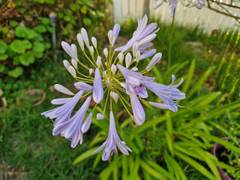
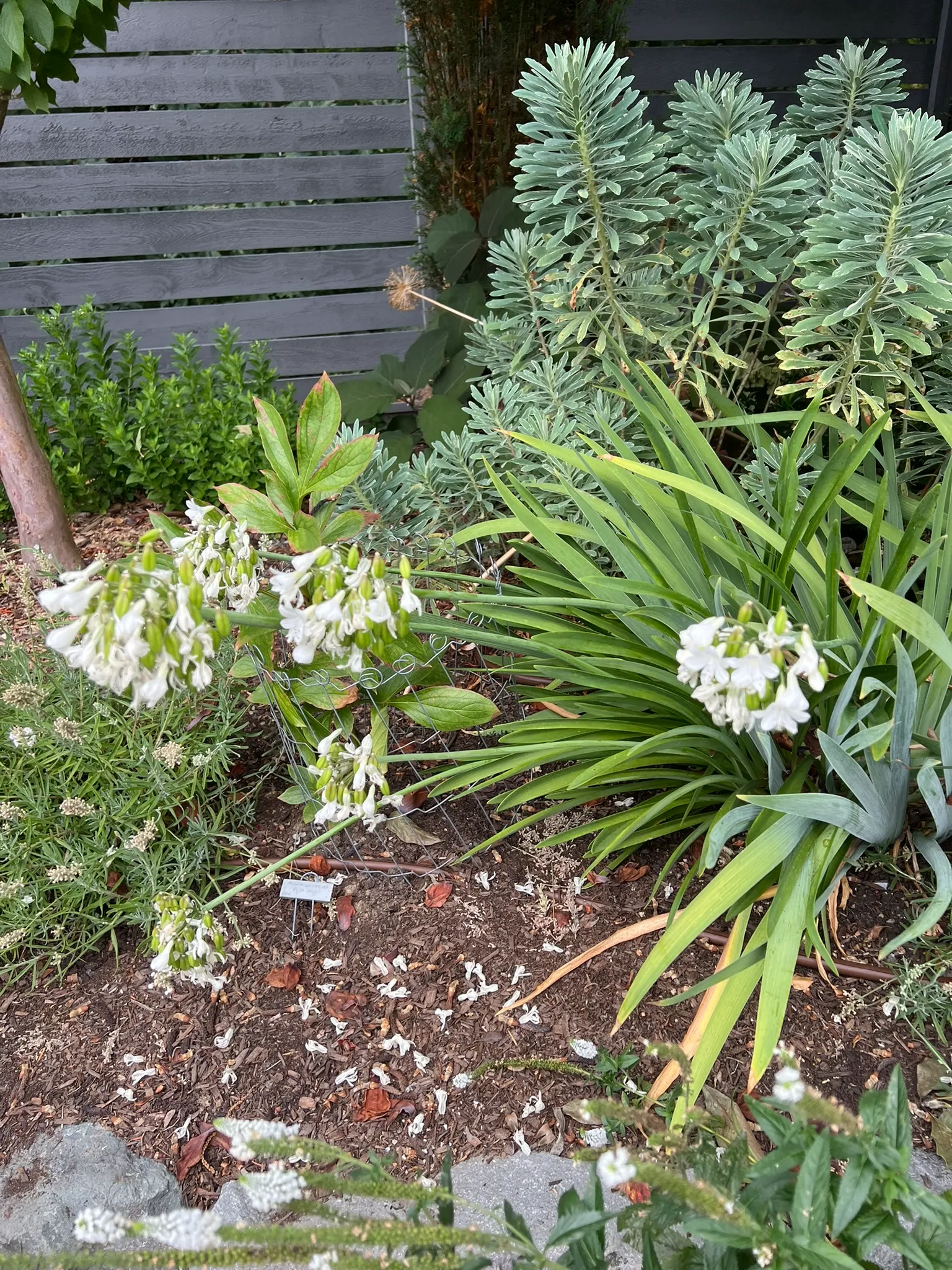
Agapanthus africanus is a clump-forming evergreen perennial with basal foliage 18-24 inches (45-60 cm) tall and flowering scapes rising to 36-48 inches (90-120 cm) in bloom. Leaves are strap-shaped, leathery, and dark green, 12-24 inches (30-60 cm) long and approximately 1 inch (2.5 cm) wide, arranged in dense basal clumps. In summer, sturdy upright scapes carry spherical umbels 4-8 inches (10-20 cm) across, each composed of 20-100 funnel-shaped flowers approximately 1.5 inches (4 cm) long in shades of pale to deep blue-violet, occasionally white. Growth rate is moderate, with clumps reaching flowering size in 2-3 years. Hardy to USDA zone 9; brief exposure to 28 F (-2 C) is tolerated, but sustained temperatures below this range cause decline. More cold-sensitive than A. praecox and A. campanulatus, which extend to zones 7-8 depending on cultivar. Bloom is reduced in over-potted or root-unrestricted plantings, and flower production drops during prolonged drought at bud-development stage. Lower leaves may yellow and die back in dry periods. Self-seeding occurs in mild climates but is less aggressive than A. praecox.
Native Range
Agapanthus africanus is native to the Western Cape Province of South Africa, on rocky sandstone slopes and cliffs at low to moderate elevations in fynbos vegetation, in well-drained slightly acidic soils.Suggested Uses
Planted in mixed borders in USDA zones 9-11 at 18-24 inch (45-60 cm) spacing, and in containers of 10 gallons (38 L) or larger in colder zones where overwintering indoors is needed. Used in Mediterranean-style and coastal plantings with summer drought and mild winters. Zone 8 and colder ground plantings are outside the use range; A. praecox and A. campanulatus hybrids cover those cases.How to Identify
Appearance
Size & Dimensions
Height3' - 4'
Width/Spread1'6" - 2'
Bloom Information
Spherical umbels of 20-100 tubular blue to blue-violet flowers borne June through August in zones 9-11, extending into September in cool coastal climates. Individual umbels persist 2-3 weeks and the total bloom window is 6-8 weeks. Flower production is reduced in over-potted plants and during prolonged drought at bud-development stage.
Detailed Descriptions
Flower Description
Pale to deep blue-violet, occasionally white; spherical umbels 4-8 inches (10-20 cm) of 20-100 tubular flowers; upright scapes 36-48 inches; June-AugustFoliage Description
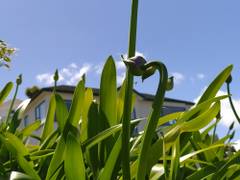
Dark green; strap-shaped, leathery, 12-24 inches (30-60 cm) long and approximately 1 inch (2.5 cm) wide; basal; evergreenGrowing Conditions
Sun Requirements
Requires 6-8 hours of direct sunlight daily
• Full Sun: 6+ hours of direct sunlight
• Partial Shade: 3-6 hours of direct sunlight
• Full Shade: Less than 3 hours of direct sunlight
Care & Maintenance
Care Guide
Grows in full sun in well-drained soil at pH 6.0-7.0. Hardy to USDA zone 9. Regular watering during the growing season supports steady bloom; established plants tolerate short dry spells, while sustained drought cuts flower production. In zones 8 and colder, container culture allows overwintering at temperatures above 28 F (-2 C). A balanced fertilizer in spring and again at midsummer supports the summer bloom flush. Division every 4-6 years is appropriate when flowering decreases or roots completely fill the container. Evergreen foliage is retained through winter in frost-free climates and is not cut back in fall.Pruning
Pruning is limited to removal of spent flowering scapes at the base after bloom to prevent seed formation. Yellowed or damaged leaves are cut at the base during the growing season. Foliage is not cut back in fall; evergreen leaves are retained through winter in frost-free climates.Pruning Schedule
Prune: August–September
summerfall
Container Growing
Suitable for container growing
Minimum container size: 10 gallons