Acronychia, Genus, laevis, Species,
- Genus & species
glossy acronychia
Overview
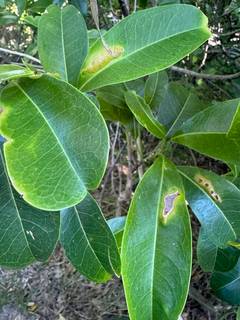
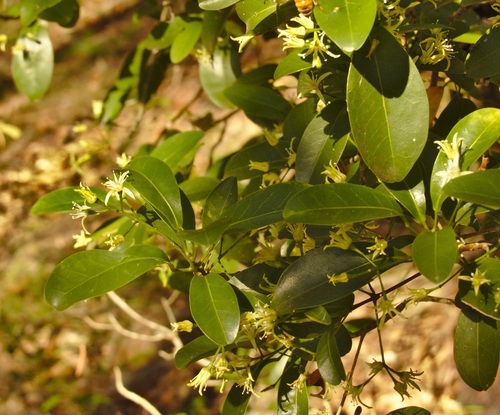
Acronychia laevis is an evergreen shrub or small tree reaching 10-26 feet (3-8 m) tall with a bushy, rounded crown. The leaves are simple or one-to-three-foliate, glossy dark green, oval to elliptic, 1.5-4 inches (4-10 cm) long, with oil glands that are aromatic when crushed, in the manner of the family Rutaceae. Small cream to greenish-white flowers with four petals appear in branched clusters mainly in autumn and winter, followed by fleshy, rounded to pear-shaped fruit about 0.4-0.6 inch (10-15 mm) wide that ripen cream to pale pink. Birds feed on the fruit and disperse the seeds. Growth is moderate, and the dense foliage holds low on the plant in open positions. The plant grows in moist, sheltered rainforest in nature and tolerates short dry periods once established. It is frost-sensitive when young and needs shelter in cooler districts.
Native Range
Native to eastern Australia, in rainforest and moist forest from southern New South Wales through Queensland. Grows on a range of soils in warm, frost-free to lightly frosted areas, generally at low to moderate elevations.Suggested Uses
Planted as a screen, hedge, or small specimen tree in gardens, and in rainforest revegetation, spaced 6-13 feet (2-4 m) apart. Used as a habitat plant for fruit-eating birds. Frost sensitivity when young limits use in cold districts.How to Identify
Appearance
Size & Dimensions
Height10' - 26'
Width/Spread8' - 16'
Bloom Information
Detailed Descriptions
Flower Description
Cream to greenish-whiteFoliage Description
Glossy dark greenGrowing Conditions
Sun Requirements
Requires 5-8 hours of direct sunlight daily
• Full Sun: 6+ hours of direct sunlight
• Partial Shade: 3-6 hours of direct sunlight
• Full Shade: Less than 3 hours of direct sunlight
Care & Maintenance
Care Guide
Grows in full sun to part shade in moist, well-drained soils with regular water during establishment. Mature plants tolerate dry periods of several weeks but keep denser foliage with steady moisture. Young plants are damaged by frost and need shelter in cooler districts. The species tolerates a range of soils provided drainage is adequate. Growth is moderate, and plants respond to pruning for shaping. Pests and diseases are uncommon in cultivation.Pruning
Responds to pruning and can be clipped to shape or as a screen; trimming in late winter or after flowering keeps it dense. Tip-pruning young plants encourages branching from the base. Cutting into older bare wood produces slower regrowth.Pruning Schedule
Prune: July–August
winter
Container Growing
Suitable for container growing
Minimum container size: 10 gallons