Acorus, Genus, spp., Multiple species,
- Genus
- Multiple species
sweet flag
Northern Hemisphere (Asia, North America, Europe)
Overview
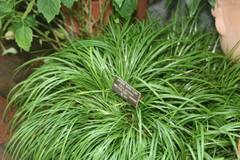
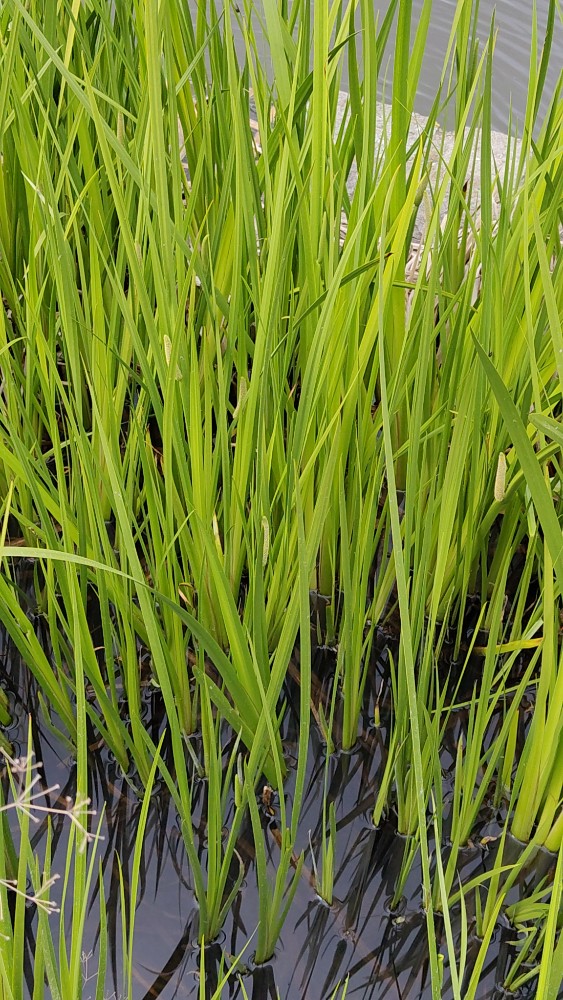
Acorus is a small genus of two to six species of grass-like, semi-aquatic perennial herbs, the only members of the family Acoraceae, native to wetlands of the Northern Hemisphere. Plants spread by branching, aromatic rhizomes into clumps of upright, sword- or grass-shaped leaves arranged in flat fans. Leaf size separates the main species: A. calamus, sweet flag, reaches 2-4 feet (60-120 cm), while the dwarf A. gramineus grows 4-14 inches (10-35 cm) and includes gold- and white-variegated forms. The whole plant, especially the rhizome, is sweetly aromatic when bruised. The flowers are tiny and packed onto a slender, finger-like spadix that juts sideways from a leaf-like stem; they are greenish-yellow and easy to overlook, and A. calamus in many regions is a sterile triploid that sets no seed. Acorus grows in shallow water and saturated ground at pond and stream margins, marshes, and ditches. It needs constant moisture and turns brown at the leaf tips if the soil dries, the main limitation away from water.
Native Range
Native across the temperate and subtropical Northern Hemisphere, including eastern Asia, North America, and Europe, though the history of A. calamus is tangled by long cultivation and naturalization. Plants grow in marshes, swamps, and the shallow margins of ponds, lakes, streams, and ditches.Suggested Uses
Used at pond and stream margins, in bog gardens, rain gardens, and wet borders, and in containers and water features, with the dwarf variegated forms grown as edging and in moist shade. A. calamus suits larger waterside plantings, while A. gramineus forms low grassy tufts spaced 6-12 inches (15-30 cm) apart. The aromatic rhizome has a long history of use in perfumery and traditional medicine.How to Identify
Appearance
Size & Dimensions
Height4" - 4'
Width/Spread6" - 2'
Bloom Information
Flowering is inconspicuous, occurring in late spring and summer, when the narrow greenish-yellow spadix appears among the leaves. The flowers have little visual presence, and sterile forms of A. calamus do not set seed at all. The leaves, rather than the flowers, carry the season-long interest, and variegated forms hold their colour from spring until autumn.
Detailed Descriptions
Foliage Description
green, or gold and white variegated in cultivarsGrowing Conditions
Sun Requirements
Requires 4-10 hours of direct sunlight daily
• Full Sun: 6+ hours of direct sunlight
• Partial Shade: 3-6 hours of direct sunlight
• Full Shade: Less than 3 hours of direct sunlight
Care & Maintenance
Care Guide
Acorus are grown in full sun to part shade in constantly wet or saturated soil, including the shallow margins of ponds where the crown sits just below water. A fertile, humus-rich, slightly acidic to neutral soil suits them, and the dwarf A. gramineus also grows in moist border soil and containers. The plants tolerate no prolonged drought, browning at the tips when dry. A. calamus is fully hardy to about USDA zone 4, while A. gramineus is hardy to about zone 5 or 6. Growth is steady, spreading by rhizome to form colonies. Propagation is by dividing the rhizome in spring.Pruning
Little pruning is needed. Tattered or browned leaves are cut back to the base in late winter before new growth, and old foliage is removed from evergreen dwarf forms as it ages. Clumps are lifted and divided every few years to keep them vigorous.Container Growing
Suitable for container growing