Acmispon, Genus, strigosus, Species,
- Genus & species
strigose lotus
Southwestern United States and northwestern Mexico
Overview
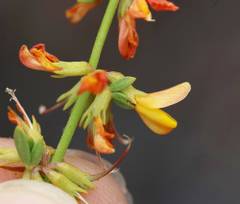
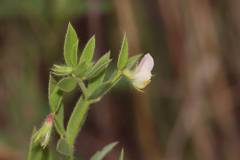
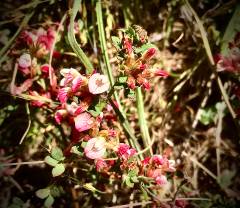
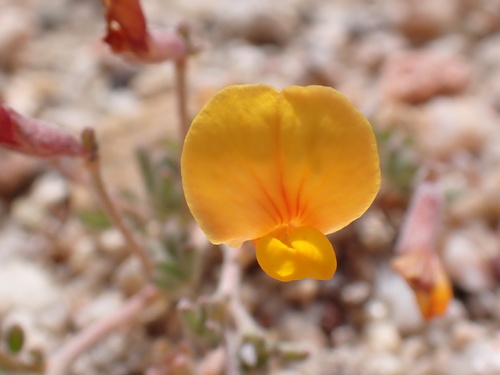
Acmispon strigosus is a low annual herb of the pea family native to deserts, dry grasslands, and open slopes of the southwestern United States and northwestern Mexico. Slender, spreading to ascending stems grow 4-16 inches (10-40 cm) long, branching from the base and covered in short, stiff, appressed hairs that give the plant its strigose texture. The pinnately compound leaves carry 4-9 small leaflets, each 0.1-0.4 inch (4-10 mm) long, grey-green and finely hairy. Solitary or paired yellow flowers 0.2-0.3 inch (5-8 mm) long appear along the stems from late winter into spring, often aging to red or orange. Slender curved pods 0.6-1.2 inch (15-30 mm) long follow, splitting to release several seeds. As a desert annual it completes its cycle quickly, germinating with autumn or winter rain and dying back after seed set, leaving no persistent structure. It fixes atmospheric nitrogen through root nodules and serves as a larval host and nectar source for native bees and butterflies. In cultivation it is grown from seed in wildflower mixes and restoration plantings on dry, sunny, well-drained sites, where its brief life span and small size give it little presence outside the spring season.
Native Range
Native to the southwestern United States, including California, Nevada, Arizona, and Utah, and to northwestern Mexico, where it grows in deserts, dry grasslands, chaparral, and open slopes below about 5,000 feet (1,500 m).Suggested Uses
Used in wildflower seed mixes, desert and native-plant restoration, and pollinator plantings on dry sites. It also serves as a nitrogen-fixing component in disturbed-soil revegetation.How to Identify
Appearance
Size & Dimensions
Height4" - 1'4"
Width/Spread6" - 1'4"
Colors
Foliage Colors
Bloom Information
Detailed Descriptions
Flower Description
yellow aging to red-orangeFoliage Description
grey-greenGrowing Conditions
Sun Requirements
Requires 6-12 hours of direct sunlight daily
• Full Sun: 6+ hours of direct sunlight
• Partial Shade: 3-6 hours of direct sunlight
• Full Shade: Less than 3 hours of direct sunlight
Water & Climate
Water Needs
Drought Tolerance
Drought tolerant when established
Care & Maintenance
Care Guide
Sow seed in autumn or winter on dry, sunny, well-drained sites with sandy or gravelly soil. As a desert annual it needs little water beyond seasonal rain and tolerates extended drought and lean soils. It fixes its own nitrogen through root nodules and needs no fertilizer. Plants germinate with cool-season moisture, flower in spring, and die after setting seed. Excess water and rich soils shorten its life and encourage rot. It reseeds where conditions suit, persisting in the seed bank between wet years.Pruning
No pruning is required. As an annual, the plant dies after seed set and can be cleared once seed has dropped. Leaving spent plants in place allows self-seeding.Toxicity
Non-toxicPlanting Guide
Planting Methods & Timing
Planting Method
direct sow
Direct Sow Timing
Fall to early winter
Plant Spacing
6 inches