Acalypha, Genus, persimilis, Species,
- Genus & species
hornbeam copperleaf
Overview
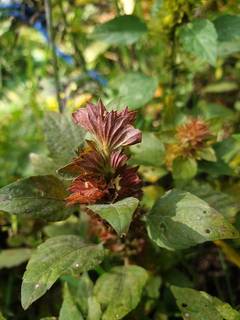
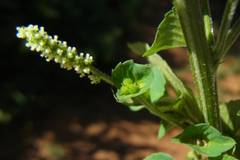
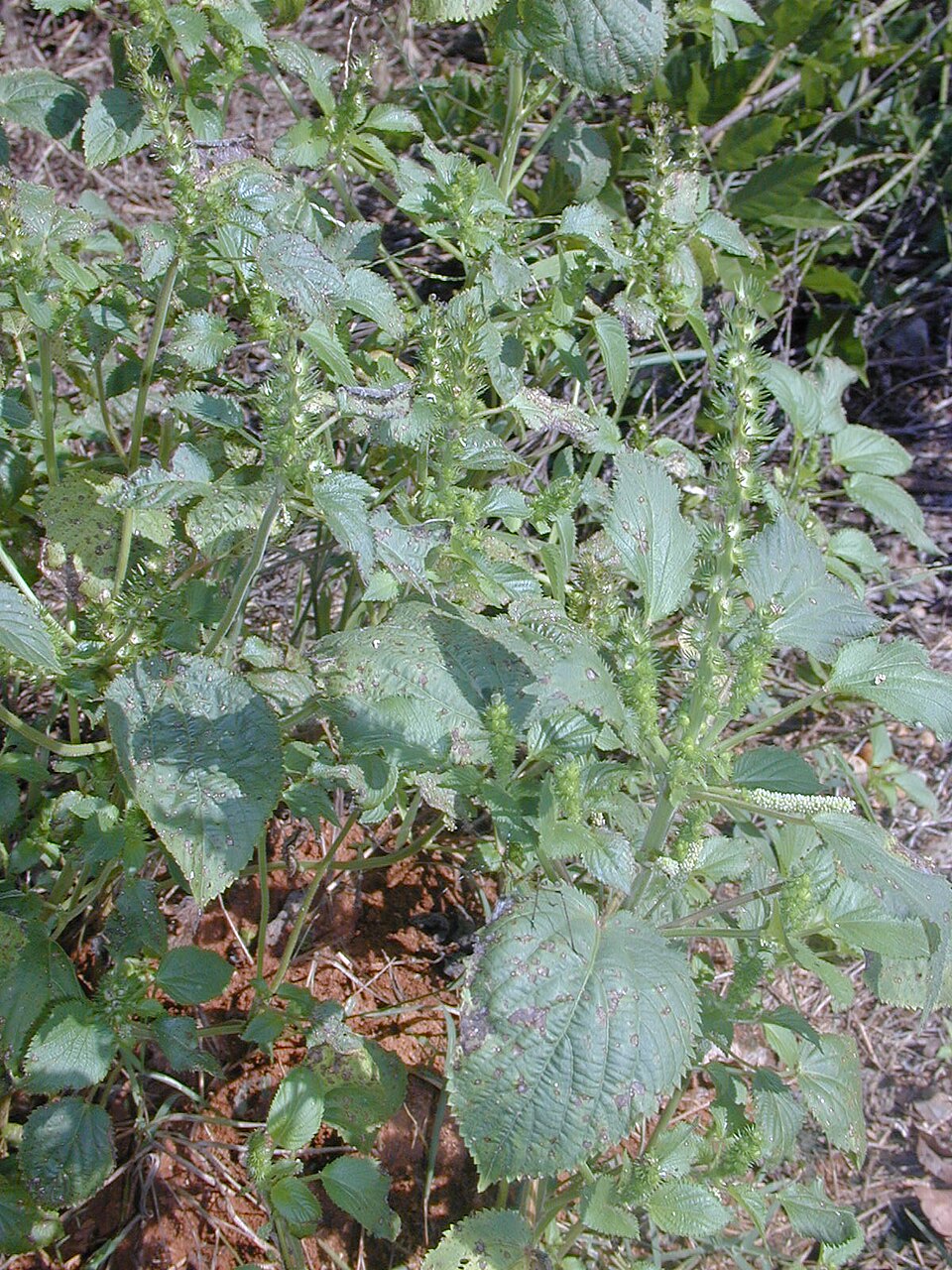
Acalypha persimilis is a deciduous shrub typically reaching 3-8 feet (0.9-2.4 m) tall, with slender, branching stems. The alternate leaves are ovate to lance-shaped, 1.5-4 inches (4-10 cm) long, with toothed margins resembling those of hornbeam, from which the common name comes. Like other copperleafs, it bears small flowers without showy petals: tiny male and female flowers are carried in slender, catkin-like spikes rather than in conspicuous blooms. Flowering occurs in the warm season, followed by small capsule fruits. The foliage may take on reddish or coppery tones, a trait shared across the genus Acalypha. The shrub grows in warm, frost-free to light-frost climates and is damaged by hard freezes. It is grown mainly within its native range and is uncommon in general horticulture.
Native Range
Native to Mexico and the adjacent south-central United States in Texas. Grows in scrub, thickets, rocky slopes, and canyon woodlands in warm, semi-arid to subtropical settings.Suggested Uses
Used in native and habitat plantings within its range, in dry shrub borders, and on rocky slopes, spaced 3-5 feet (0.9-1.5 m) apart. Suited to warm, low-water landscapes; it is not hardy where winters bring hard freezes. The coppery foliage tones add seasonal color among other dry-climate shrubs.How to Identify
Appearance
Size & Dimensions
Height3' - 8'
Width/Spread3' - 6'
Bloom Information
Small flowers are carried in slender catkin-like spikes during the warm season, mainly summer in its range. The flowers lack petals and are pollinated by wind and insects rather than being showy. Capsule fruits follow and release seed over the following weeks.
Detailed Descriptions
Flower Description
greenish to reddishFoliage Description
green to copperyGrowing Conditions
Sun Requirements
Requires 4-12 hours of direct sunlight daily
• Full Sun: 6+ hours of direct sunlight
• Partial Shade: 3-6 hours of direct sunlight
• Full Shade: Less than 3 hours of direct sunlight
Care & Maintenance
Care Guide
Grows in full sun to part shade in well-drained soil and tolerates dry, rocky ground once established. Water occasionally during extended drought; the shrub is adapted to semi-arid conditions and dislikes constant wetness. It needs little feeding in lean native soils. Hard frost damages or kills top growth, so it is limited to warm climates or grown under protection. Few specific pest or disease problems are recorded for this species. Old or frost-damaged stems can be cut back to renew the form.Pruning
Cut back frost-damaged or leggy stems in late winter or early spring to encourage fresh growth. Light shaping after the growing season keeps the shrub compact. The plant tolerates renewal pruning to the lower framework.Pruning Schedule
Prune: February–March
winterearly spring