Acalypha, Genus, spp., Multiple species,
- Genus
- Multiple species
three-seeded mercuries
Tropics, subtropics, and warm temperate regions worldwide
Overview
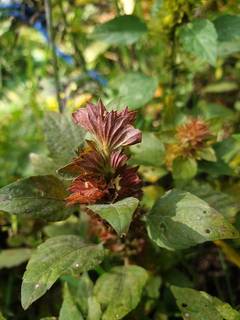
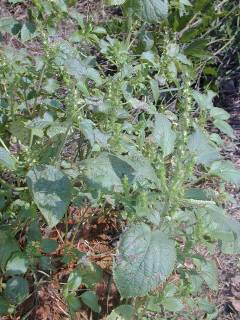
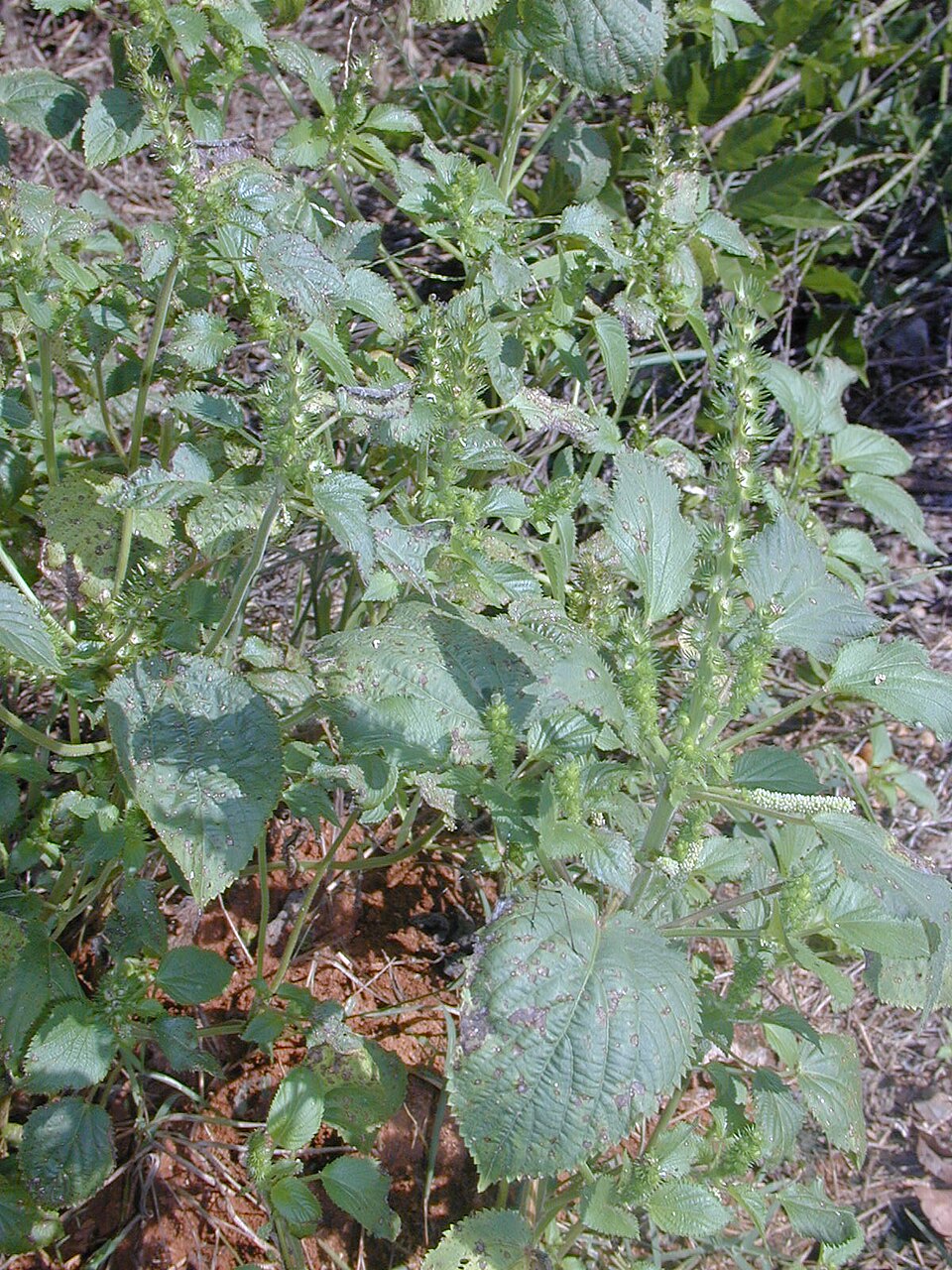
Acalypha is a large genus of about 450 species of herbs, shrubs, and small trees in the spurge family (Euphorbiaceae), ranging from weedy annuals to tropical foliage shrubs. Size spans 8 in to 10 ft (20 cm to 3 m), with temperate weeds staying low and tropical species reaching shrub height. The leaves are alternate, oval to heart-shaped, toothed, and 1 to 8 in (2.5 to 20 cm) long; in species such as copperleaf (A. wilkesiana) they are mottled in bronze, copper, red, and cream rather than plain green. Flowers are small and petalless, gathered in slender catkin-like spikes, with male and female flowers usually separate; chenille plant (A. hispida) carries long drooping red female spikes 8 to 20 in (20 to 50 cm) long. The fruit is a small three-lobed capsule holding three seeds, which gives the group its common name three-seeded mercury. The genus is spread across tropical, subtropical, and warm temperate regions worldwide, where species grow in disturbed ground, woodland edges, and clearings. North American natives such as A. virginica are weedy annuals of fields and gardens, while several tropical species shed a milky sap that can irritate skin.
Native Range
Acalypha is distributed through the tropics, subtropics, and warm temperate zones of the Americas, Africa, Asia, and the Pacific, with its widest range in tropical regions. North American species such as A. virginica and A. rhomboidea are native to fields, woods, and disturbed ground of the eastern United States.Suggested Uses
Tropical Acalypha species are grown as foliage shrubs, hedges, and container plants in warm climates and as summer bedding or houseplants elsewhere; chenille plant is grown for its long red tassels. Temperate species are mainly weeds of cultivated and disturbed ground.How to Identify
Appearance
Size & Dimensions
Height8" - 10'
Width/Spread1' - 6'
Bloom Information
Flowering depends on climate: tropical species such as A. hispida bloom much of the year in warm conditions, while temperate annuals flower from summer into autumn, roughly July to October. The small flowers are carried in catkin-like spikes, and in copperleaf types the foliage rather than the bloom carries the color. Seed capsules ripen a few weeks after flowering.
Detailed Descriptions
Flower Description
red, greenish, or reddish-brownFoliage Description
green, or mottled bronze, copper, red, and cream in foliage speciesGrowing Conditions
Sun Requirements
Requires 4-10 hours of direct sunlight daily
• Full Sun: 6+ hours of direct sunlight
• Partial Shade: 3-6 hours of direct sunlight
• Full Shade: Less than 3 hours of direct sunlight
Care & Maintenance
Care Guide
Acalypha species generally grow in full sun to part shade in moist, well-drained soil at pH 6.0 to 7.5. The tropical shrubs are frost-tender, grown outdoors only in USDA zones 10 to 11 and elsewhere as container or bedding plants brought in before frost, while temperate annuals tolerate ordinary garden soil and die at season end. Steady warmth, humidity, and moisture keep the foliage species in full leaf color, which fades in deep shade or drought. Feeding through the growing season supports continuous growth in the shrubby types. The milky sap of some species can irritate skin and eyes on contact.Pruning
Shrubby species such as copperleaf are cut back in spring to hold a dense, leafy shape and can be pinched through the season to limit height. Chenille plant is trimmed after the flower tassels fade. Weedy annual species are pulled before they set seed to limit spread.Pruning Schedule
Prune: March–April
early spring
Container Growing
Suitable for container growing