Xylorhiza, Genus, spp., Multiple species,
- Genus
- Multiple species
Southwestern United States and northern Mexico
Overview
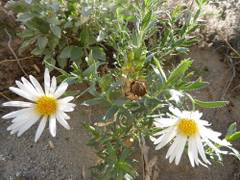
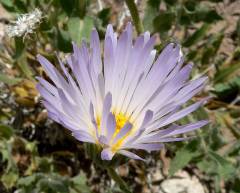
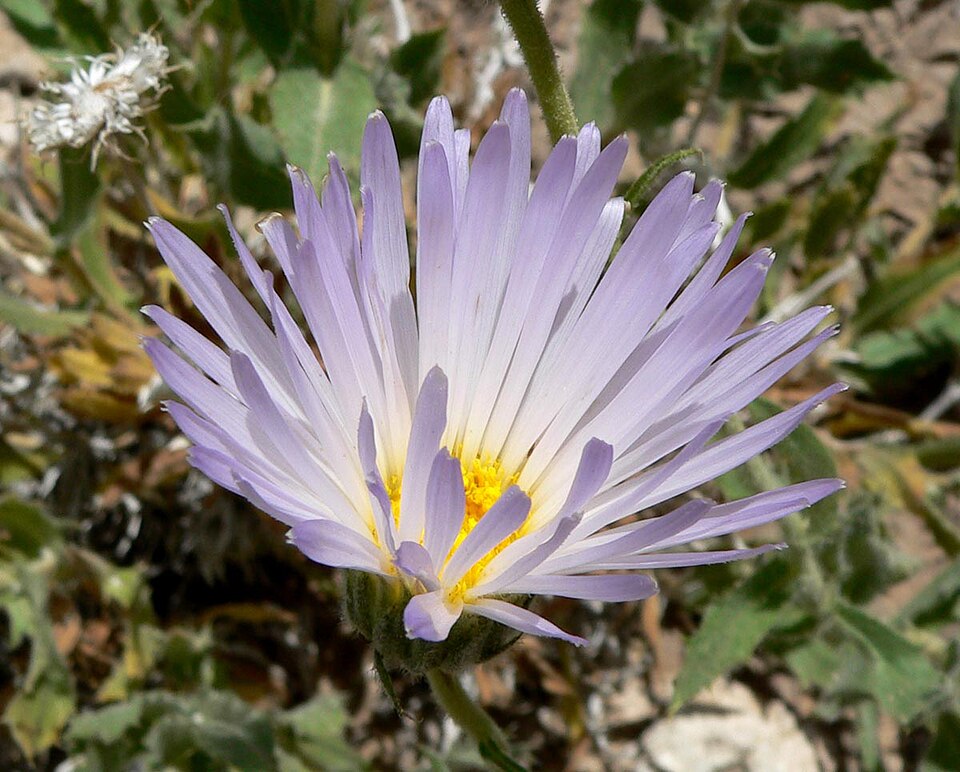
Xylorhiza is a genus of about ten perennials and small subshrubs in the daisy family, native to the deserts and dry plateaus of western North America, where they are called woody-asters. Plants form low, mounded clumps 8 to 30 inches (20 to 75 cm) tall from a woody base and taproot, with narrow, gray-green leaves that are sometimes spiny-toothed. From early spring into early summer each stem is topped by a single large flower head 1.5 to 2.5 inches (4 to 6 cm) across, with white to pale lavender ray florets surrounding a yellow disk. The genus is closely allied to Machaeranthera and the true asters, and several species are restricted to specialized substrates such as gypsum, shale, or saline desert clays. Some woody-asters growing on seleniferous soils take up selenium and can poison livestock that graze them heavily. As desert plants, they demand sharp drainage, intense sun, and low humidity, and they are short-lived and prone to rot where summers are humid or soils stay moist, which restricts their cultivation largely to arid-climate and rock gardens.
Native Range
Xylorhiza is native to western North America, centered on the Mojave, Great Basin, and Colorado Plateau deserts of the southwestern United States and adjacent northern Mexico. Species grow on dry slopes, badlands, washes, and mesas, frequently on gypsum, clay, or saline soils that exclude many other plants.Suggested Uses
Xylorhiza is grown in rock gardens, gravel gardens, and native desert plantings in arid regions. The large spring daisies add color to dry slopes and among boulders. Short life span and intolerance of humidity and wet soil limit it to low-water, sharply drained settings.How to Identify
Appearance
Size & Dimensions
Height8" - 2'6"
Width/Spread1' - 2'
Colors
Foliage Colors
Bloom Information
Flowering peaks in spring, roughly March to June, and may continue sporadically after summer rains. Each stem carries one large lavender-and-yellow head that lasts one to two weeks, with a clump blooming over about four to six weeks. The flowers draw native bees and butterflies in the desert spring.
Detailed Descriptions
Flower Description
White to pale lavender rays with yellow centersFoliage Description
Gray-greenGrowing Conditions
Sun Requirements
Requires 8-12 hours of direct sunlight daily
• Full Sun: 6+ hours of direct sunlight
• Partial Shade: 3-6 hours of direct sunlight
• Full Shade: Less than 3 hours of direct sunlight