Xanthorhiza, Genus, spp., Multiple species,
- Genus
- Multiple species
yellowroot
Overview
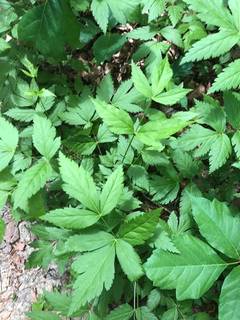
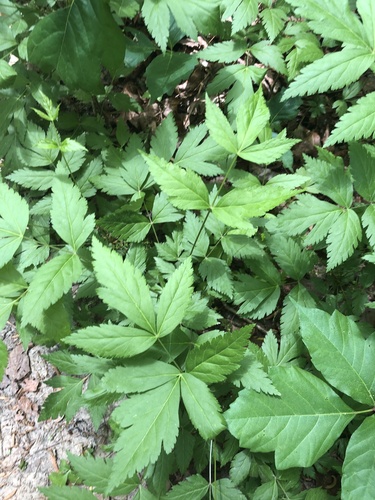
Xanthorhiza is a monotypic genus in the buttercup family, represented by the single species X. simplicissima, the yellowroot, a low, suckering deciduous shrub of eastern North America. Plants grow 0.3-0.9 m (1-3 ft) tall and spread by underground stems into broad colonies along stream banks and on moist, shaded slopes. The bright yellow inner bark and roots, the source of the common name and of a traditional yellow dye, contain the alkaloid berberine. Leaves are pinnately compound with toothed, celery-like leaflets, clustered toward the stem tips, turning yellow, orange, and purple in autumn. In early spring, as the leaves expand, slender drooping branched clusters of tiny star-shaped flowers appear in shades of brownish maroon to purple. The plant grows naturally in the dappled shade of moist woodland, where it forms a low, even groundcover and tolerates damp soil and root competition. It spreads steadily once established but is not aggressive on dry sites. Roots and stems are bitter and contain alkaloids that can be poisonous if eaten in quantity. Frost-hardy across much of its range, it grows poorly in hot, dry, exposed conditions.
Native Range
X. simplicissima is native to the eastern United States, from New York and Pennsylvania south through the Appalachians to Florida and west to Texas. It grows along stream banks, in seeps, and on moist wooded slopes, often in shade. The plant frequently forms large clonal colonies in suitable damp ground.Suggested Uses
Used as a deciduous groundcover for shaded, moist banks, stream sides, and woodland edges, and for erosion control on damp slopes. The autumn colour and even low habit suit naturalistic and native plantings. It fills shaded ground where lawns and many groundcovers fail.How to Identify
Appearance
Size & Dimensions
Height1' - 3'
Width/Spread2' - 5'
Bloom Information
Flowering occurs in early spring, roughly April to May, as the new leaves expand. Slender drooping clusters carry many tiny brownish-maroon to purple flowers that are easy to overlook. Small dry fruits follow in early summer.
Detailed Descriptions
Flower Description
brownish maroon to purpleFoliage Description
green, turning yellow-orange-purple in fallGrowing Conditions
Sun Requirements
Requires 2-6 hours of direct sunlight daily
• Full Sun: 6+ hours of direct sunlight
• Partial Shade: 3-6 hours of direct sunlight
• Full Shade: Less than 3 hours of direct sunlight