Xanthisma, Genus, spp., Multiple species,
- Genus
- Multiple species
sleepy daisy
Southwestern North America (United States and Mexico)
Overview
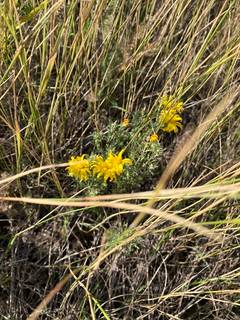
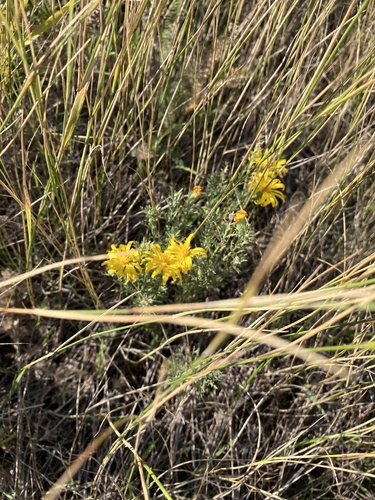
Xanthisma is a genus of about 17 species of annual and perennial herbs in the daisy family, native to the dry plains, deserts, and foothills of the southwestern United States and Mexico. Plants form low, branching mounds 15-60 cm (6-24 in) high, with narrow, often toothed or spiny-margined leaves that can be green or grey-green and slightly resinous. The flower heads are 2-4 cm (0.8-1.6 in) across, most species carrying yellow ray florets around a yellow disc, though a few have purple or violet rays. Flowering runs through the warm season, and the heads of some species close in dull light or at night, the trait behind the name sleepy daisy. Most species grow on sandy, gravelly, or rocky soils in open sun and tolerate heat and drought once established. Several grow on mineral-rich soils and can take up selenium where it is present in the ground, a feature shared with related plains asters. The genus spans short-lived annuals and longer-lived perennials, so habit and hardiness vary by species. Wet, heavy, shaded conditions are poorly tolerated, and growth is sparse in rich or crowded plantings.
Native Range
The genus is native to North America, centred on the southern Great Plains, the Southwest, and the deserts and foothills of the United States and northern Mexico. Species grow on prairie, plains, mesas, and disturbed ground, usually on dry, well-drained soils. X. texanum of Texas and nearby states is one of the more widely grown species.Suggested Uses
Used in dry, gravel, prairie, and wildflower gardens and on hot, sunny banks with sharp drainage. The yellow daisies suit pollinator and native plantings in the southwestern United States. Low species also suit containers and rock gardens.How to Identify
Appearance
Size & Dimensions
Height6" - 2'
Width/Spread6" - 1'6"
Bloom Information
Flowering extends through the warm season, broadly spring to autumn depending on species and rainfall, with peaks after rain. Individual heads last several days, and plants flower over many weeks. In some species the heads close during dull weather and reopen in bright sun.
Detailed Descriptions
Flower Description
yellow, or purple in some speciesFoliage Description
green to grey-greenGrowing Conditions
Sun Requirements
Requires 6-10 hours of direct sunlight daily
• Full Sun: 6+ hours of direct sunlight
• Partial Shade: 3-6 hours of direct sunlight
• Full Shade: Less than 3 hours of direct sunlight
Care & Maintenance
Care Guide
Plants grow in full sun on sandy, gravelly, or rocky free-draining soils, including poor and alkaline ground. Once established they tolerate heat and drought and need little water, while wet, heavy, or shaded sites cause weak growth and rot. Annual species are grown from seed sown in spring, and perennial species form longer-lived clumps. Feeding is seldom needed, as lean soil keeps growth compact. Hardiness varies, so the species is matched to the local winter. Few pests trouble them, though aphids can gather on soft growth and root rot follows poor drainage.Pruning
Spent flower heads are trimmed to tidy the plant and extend bloom. Perennial species are cut back after flowering or in late winter to refresh the clump. Annual species need no pruning and are left to self-seed or are cleared at season's end.Container Growing
Suitable for container growing
Minimum container size: 1 gallons